Contents
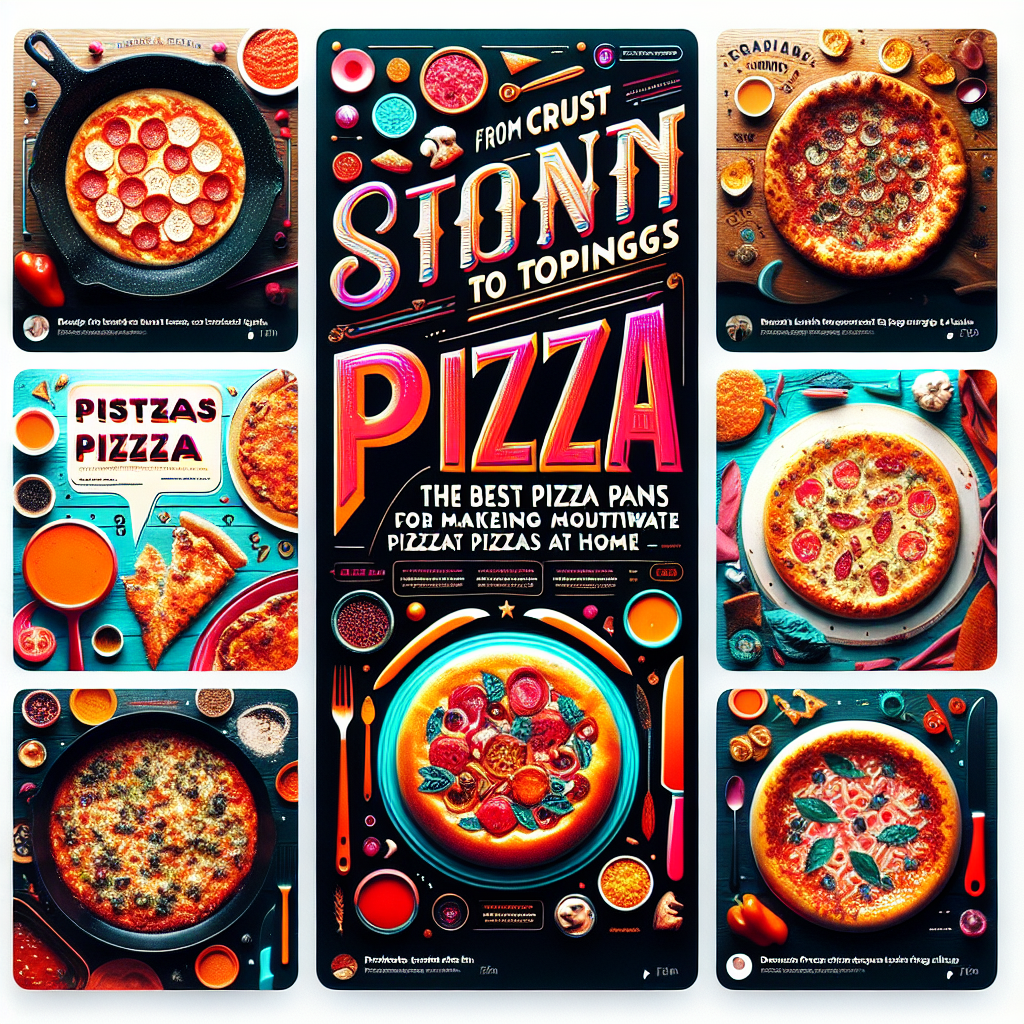
From Crust to Toppings: The Best Pizza Pans for Making Mouthwatering Pizzas at Home
Introduction
When it comes to creating the perfect homemade pizza, the right tools can make all the difference.
A great pizza starts with a solid **crust**, and the best way to achieve that is through a high-quality **pizza pan**.
Whether you’re a fan of deep-dish, thin crust, or something in between, selecting the appropriate pan and knowing its features will enhance your pizza-making experience.
In this guide, we’ll explore the best pizza pans available, designed to bring out the flavors of your favorite **toppings** and ensure a delicious result every time.
From **material** options to specific designs, find out how to elevate your pizza nights at home with the perfect pizza pan!
Why the Right Pizza Pan Matters
Choosing the right pizza pan is crucial to achieving that perfect **crust**. The material, shape, and size of the pan can greatly influence the cooking process and the end result. From homemade dough to store-bought options, the pan will play a significant role in your **pizza-making** journey.
Types of Pizza Pans
There are several types of pizza pans available, each designed for a specific style of pizza. Understanding these can help you make the right choice.
1. **Steel Pizza Pans**
Steel pizza pans provide excellent heat conduction, allowing for a crispy **crust** and evenly cooked toppings. If you’re looking for professional-quality results, these pans should be your first choice.
2. **Cast Iron Pans**
Cast iron pans are known for their durability and ability to retain heat. They create a crunchy base and can even be used on the stovetop or in the oven for versatility.
3. **Ceramic Pans**
Ceramic pans are not only visually appealing but also offer even heat distribution. They are perfect for personal-sized pizzas, ensuring a nicely baked **crust** while keeping the pizza warm.
4. **Aluminum Pans**
Lightweight and affordable, aluminum pans heat up quickly but may not provide the same crispiness as steel or cast iron. They are great for beginners and home cooks.
Size Matters: Choosing the Right Diameter
The size of the pizza pan will dictate how large your pizza can be. Common sizes include:
- **12-inch** for a standard personal pizza
- **14-16 inch** for a larger family pizza
- **18-inch** for party-sized pizzas
Make sure to choose a pan that fits your needs and oven space.
Accessorizing Your Pizza Pans
Beyond just the pan, consider these accessories to level up your pizza-making experience:
Pizza Stones
Using a **pizza stone** in conjunction with your pan can help achieve a crispy **crust**. It mimics the cooking environment of a wood-fired oven.
Pizzaiolo Tools
Investing in tools like a pizza peel, cutter, and serving trays can enhance your pizza-making experience.
Maintenance Tips for Your Pizza Pans
Caring for your pizza pan is essential to prolong its life and performance.
Cleaning
Always clean your pans according to the material. For example, avoid using soap on cast iron—just a gentle scrub with hot water will do.
Seasoning
If using cast iron, regular seasoning will keep your pan non-stick and enhance its durability.
Where to Buy the Best Pizza Pans
For a wide selection of pizza pans, check out Amazon’s selection of pizza pans for options that fit any budget.
Conclusion
With the right **pizza pan** and a bit of practice, you’ll be well on your way to mastering homemade pizza. Remember that every bake might require a little tweaking, but with these tools, you’ll be able to create mouthwatering pizzas that will impress family and friends alike!

FAQs About Pizza Pans
1. What types of pizza pans are best for homemade pizzas?
There are several types of pizza pans to consider:
- Deep Dish Pans
- Material Options (Metal, Stone, Cast Iron)
- Perforated Pans for Crispier Crusts
- Pizza Stones for Baking
2. How does the material of the pizza pan affect the crust?
The material can significantly impact the cooking time and texture of the crust. Metal pans conduct heat well and can produce a crispier crust, while stone pans provide even heat distribution for a more traditional pizza experience.
3. Can I use a regular baking sheet for making pizza?
Yes, you can use a regular baking sheet, but it may not produce the same quality crust as a dedicated pizza pan. Consider using a perforated baking sheet for better air circulation.
4. How do I properly season my cast iron pizza pan?
To season your cast iron pan, apply a thin layer of vegetable oil and bake it upside down in the oven at a high temperature for an hour. This creates a non-stick surface over time.
5. What size pizza pan should I buy for my home oven?
The size depends on your oven’s capacity and your pizza preferences. Common sizes range from 12 to 16 inches for personal pizzas, and larger sizes for family-style options.
6. Is there a difference between pizza pans and pizza stones?
Yes, pizza pans are typically metal and can produce different crust textures, while pizza stones are made of ceramic or stone and are known for even heat distribution and moisture absorption, which helps create a perfectly cooked crust.
7. How should I clean and maintain my pizza pans?
For metal pans, wash them with warm soapy water and dry them immediately. For cast iron, avoid soap; instead, scrub them with a brush and rinse with hot water. Make sure to dry and oil them regularly to prevent rust.

Types of Pizza Pans
When it comes to creating the perfect homemade pizza, choosing the right pizza pan is essential. Here are some popular types:
Metal Pizza Pans
Metal pans heat quickly, providing excellent crusts. They are perfect for traditional, crispy pizzas.
Cast Iron Skillets
Cast iron skillets are versatile and provide a great heat retention, resulting in a beautifully baked crust.
Pizza Stones
Pizza stones mimic the effects of a brick oven by absorbing moisture and ensuring an evenly baked pizza.
Choosing the Best Pizza Pan
Consider the following factors when selecting the best pizza pan for your home:
Material
The material of the pizza pan affects how heat is distributed and how well the pizza cooks.
Size
Choose a size that fits well in your oven and accommodates your pizza-making needs.
Maintenance
Some pans require more maintenance than others. Opt for a pan that suits your cleaning preferences.
Learn More
For more information on pizza, visit Wikipedia.

From Crust to Toppings: The Best Pizza Pans for Making Mouthwatering Pizzas at Home
Introduction
- Discover the importance of a good pizza pan.
- Enhance your homemade pizza experience.
Types of Pizza Pans
- Steel Pans: Excellent heat conductivity for crispy crusts.
- Cast Iron Pans: Retains heat well; great for deep-dish pizzas.
- Ceramic Pans: Provides even cooking and moisture retention.
- Non-Stick Pans: Easy release and cleanup; ideal for beginners.
Key Features to Consider
- Material: Affects heat distribution and crust texture.
- Size: Choose based on your oven and serving needs.
- Shape: Round vs. rectangular for different styles of pizza.
- Durability: Look for long-lasting, high-quality materials.
Recommendations
- Top brands and models reviewed for various needs.
- Affordability vs. performance considerations.
Conclusion
- Choosing the right pizza pan enhances homemade pizza quality.
- Experiment with different types for unique flavors and textures.