


The best wines at the best prices
Contents
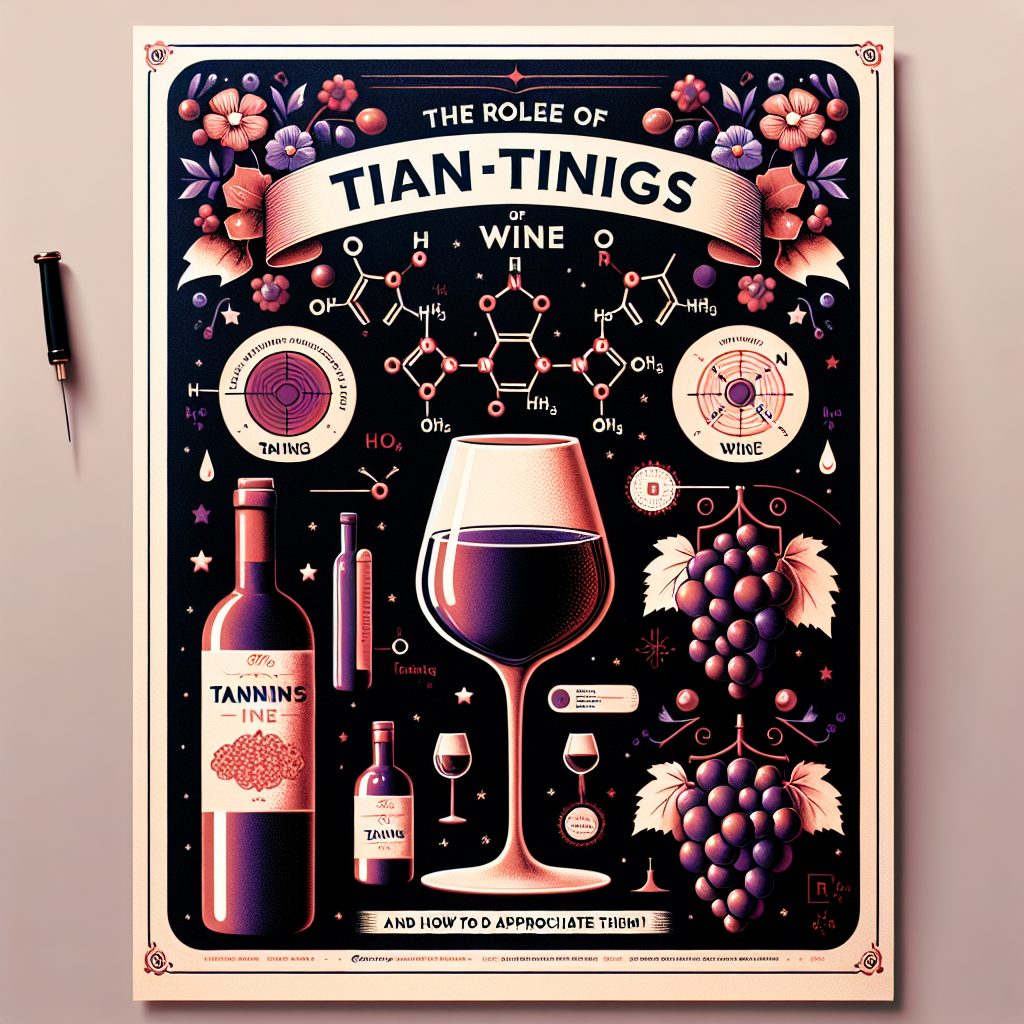
The Role of Tannins in Wine
What are Tannins?
Tannins are naturally occurring compounds found in the skin, stems, and seeds of grapes. They are also present in oak barrels used for aging wine. Tannins are responsible for giving wine its structure, mouthfeel, and aging potential.
How to Appreciate Tannins in Wine
One way to appreciate tannins in wine is by paying attention to the texture and astringency they provide. Tannins can give a wine a dry, puckering sensation in the mouth, which often pairs well with rich and fatty foods. Some people enjoy the sensation of tannins because it adds complexity to the wine and can enhance the overall drinking experience.
Another way to appreciate tannins is by tasting how they evolve over time. Tannins can soften and integrate with the other flavors in a wine as it ages, resulting in a smooth and harmonious drinking experience. If you have the opportunity, try tasting a young wine alongside an older vintage to see how tannins can change and improve with time.
Ultimately, the role of tannins in wine is to provide structure, complexity, and aging potential. By paying attention to these characteristics, you can develop a deeper appreciation for the role tannins play in the overall enjoyment of wine.
What are Tannins?
Tannins are naturally occurring compounds found in grape skins, seeds, and stems that give wine its characteristic dry and bitter taste. They are a type of polyphenol that can also be found in other foods such as tea, nuts, and chocolate.
Role of Tannins in Wine
Tannins play a crucial role in the aging process of wine. They help preserve the wine and give it structure and stability. Tannins also contribute to the overall flavor profile of the wine, giving it complexity and depth.
How to Appreciate Tannins in Wine
One way to appreciate tannins in wine is by paying attention to how they feel in your mouth. Tannins can create a drying sensation on the palate, which is often described as astringency. This sensation can vary depending on the level of tannins in the wine.
Another way to appreciate tannins in wine is by pairing it with food. Tannins can interact with certain types of food, enhancing the flavors and textures of both the wine and the dish. Red wines with high tannin levels, such as Cabernet Sauvignon or Malbec, pair well with rich and fatty foods like steak or aged cheeses.
It’s also important to consider the age of the wine when appreciating tannins. Young wines tend to have higher levels of tannins, which can soften and mellow out over time as the wine ages. This can result in a smoother and more balanced wine.
Conclusion
Overall, tannins play a vital role in the flavor and structure of wine, adding complexity and depth to the overall drinking experience. By paying attention to tannins and learning how to appreciate them, you can enhance your enjoyment of wine and gain a deeper appreciation for the art of winemaking.

The Importance of Tannins in Wine
Tannins are a naturally occurring compound found in grape skins, seeds, and stems that contribute to the structure, flavor, and aging potential of wine. Tannins are responsible for the dry, puckering sensation you feel in your mouth when you drink some red wines. They also act as a natural preservative, helping the wine to age gracefully over time.
How to Appreciate Tannins in Wine
To fully appreciate the role of tannins in wine, it’s important to consider the following tips:
- Look for wines with a high tannin content, such as Cabernet Sauvignon or Nebbiolo.
- Allow the wine to breathe by decanting it or swirling it in your glass to help soften the tannins.
- Pair tannic wines with foods that can help balance out the astringency, such as fatty meats or aged cheeses.
For more information on tannins in wine, you can visit the Wikipedia page on Tannins.

The best wines at the best prices
What is the role of tannins in wine?
Tannins are a type of polyphenol compound found in grape skins, seeds, and stems. They contribute to the astringency and structure of a wine, giving it a sense of dryness and complexity. Tannins also help preserve wine and can improve its aging potential.
How to appreciate tannins in wine?
To appreciate tannins in wine, pay attention to the mouthfeel of the wine. Tannins create a drying sensation on the palate, similar to the feeling of over-steeped black tea. Allow the wine to aerate by decanting it or swirling it in the glass to help soften the tannins. Pairing tannic wines with fatty foods, such as steak or cheese, can also help balance out the bitterness of the tannins.

The Role of Tannins in Wine
- Tannins are naturally occurring compounds in grape skins, seeds, and stems.
- They give red wines their astringency and structure, helping them age well.
- Tannins create a drying sensation in the mouth and can be found in white wines as well, but to a lesser extent.
How to Appreciate Tannins in Wine
- Pair tannic wines with fatty foods like steak or cheese to balance out the astringency.
- Allow tannic wines to breathe or decant them before drinking to soften the tannins.
- Take note of the texture of the wine in your mouth – the more tannic it is, the more it will feel dry and grippy on your palate.

Video:





