Contents
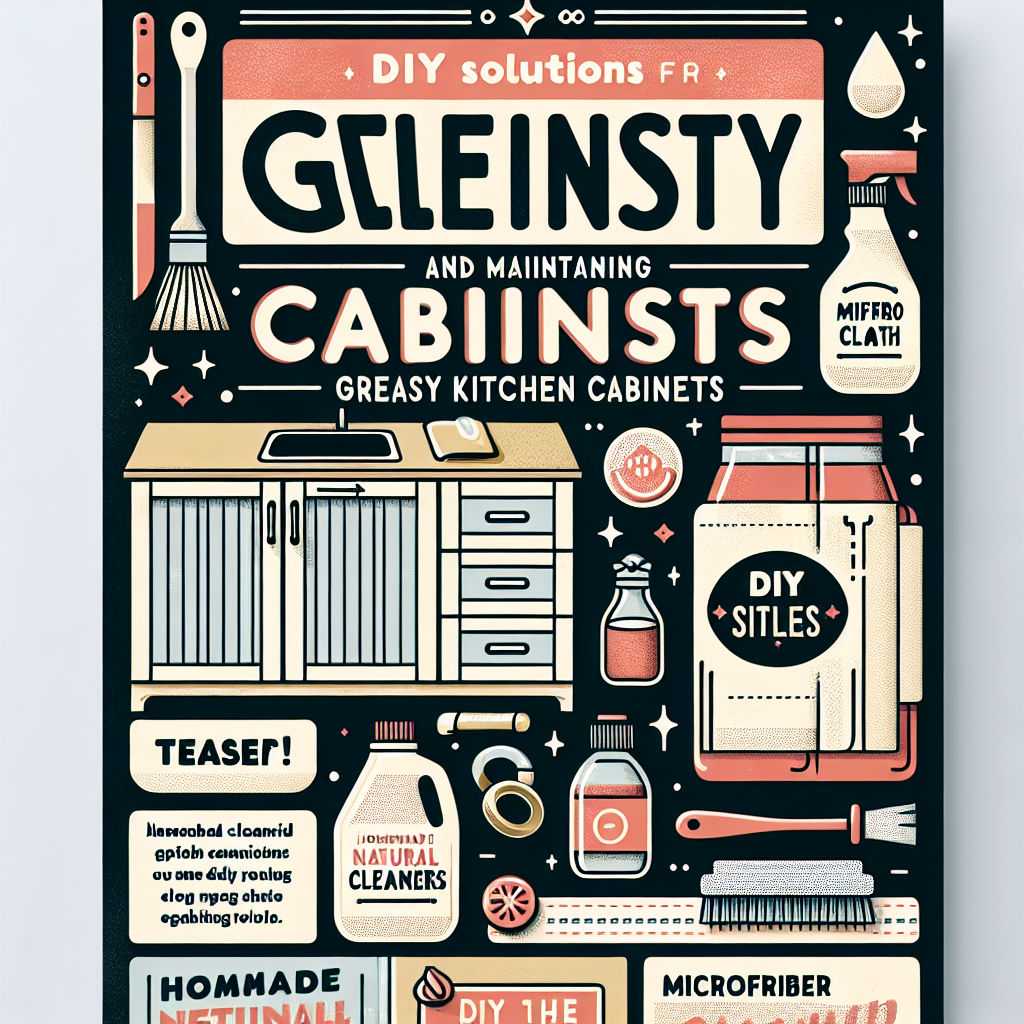
DIY Solutions for Cleaning and Maintaining Greasy Kitchen Cabinets
Greasy kitchen cabinets can be a nuisance, not only detracting from the appearance of your kitchen but also harboring unwanted odors and bacteria. Fortunately, you don’t need to rely on commercial products to keep your cabinets clean and well-maintained. With simple household ingredients and a bit of elbow grease, you can create effective DIY solutions that will restore your cabinets to their former glory.
This guide will explore various DIY methods for tackling greasy cabinets, from degreasing mixtures to natural cleaners. Whether your cabinets are made of wood, laminate, or metal, we’ve got you covered with tips and techniques suitable for all materials. Let’s dive into the world of DIY cleaning and ensure your kitchen remains a sparkling and inviting space!
Understanding the Greasiness of Kitchen Cabinets
Kitchen cabinets often accumulate grease from cooking, which can make them look dull and dirty. Understanding the common sources of this grease can help in choosing the right cleaning solution. Factors include:
- Frequent cooking and frying
- Spills and splatters from sauces and oils
- Inadequate ventilation during cooking
Essential DIY Cleaning Solutions
Baking Soda and Water Paste
Baking soda is a natural abrasive that can cut through grease effectively. To use:
- Mix baking soda and water to form a paste.
- Apply the paste to greasy areas using a soft cloth or sponge.
- Gently scrub, then wipe clean with a damp cloth.
Vinegar and Water Spray
Vinegar acts as a natural degreaser. Create a spray solution:
- Mix equal parts vinegar and water in a spray bottle.
- Spray the solution onto greasy surfaces and let it sit for a few minutes.
- Wipe clean with a microfiber cloth.
Lemon Juice and Olive Oil
This mixture not only cleans but also adds shine:
- Mix 1 part lemon juice to 2 parts olive oil.
- Apply the mixture onto the cabinets using a soft cloth.
- Buff until the surface is shiny.
Maintaining Clean Kitchen Cabinets
Regular Dusting and Wiping
Establish a routine for maintaining your cabinets. Aim to:
- Dust cabinets weekly with a dry microfiber cloth.
- Wipe down surfaces with a damp cloth every two weeks.
Protective Coating
Consider applying a protective coat on your cabinets to prevent grease buildup:
- Choose a furniture polish that suits your cabinet material.
- Apply it according to the product instructions.
- This will create a barrier and make future cleaning easier.
Tools and Supplies for Effective Cleaning
Ensure you have the following tools ready for efficient cabinet cleaning:
- Soft cloths or microfiber cloths
- Non-abrasive sponges
- Spray bottles for homemade cleaning solutions
- Rubber gloves for hand protection
Additional Resources
For more tips on kitchen cleaning, visit Good Housekeeping.

The Effectiveness of Vinegar in Cleaning Greasy Kitchen Cabinets
Vinegar is a natural cleaning solution that can effectively cut through grease build-up on kitchen cabinets. Its acidity breaks down grime, making it easier to wipe away without harsh chemicals.
How to Use Vinegar for Cleaning
- Mix equal parts of vinegar and water in a spray bottle.
- Spray the solution onto the greasy areas of the cabinets.
- Let it sit for a few minutes before wiping with a clean cloth.
Additional Solutions for Stubborn Grease
For cabinets with stubborn grease, consider using baking soda or a commercial degreaser. Baking soda can act as a gentle abrasive, helping to lift tougher stains without damaging the finish.
Using Baking Soda
To use baking soda, create a paste by mixing it with water and apply it to the greasy spots. Scrub gently with a cloth or sponge, then rinse with a damp cloth.
Safety Precautions
Always test any cleaning solution on a small, inconspicuous area of your cabinets before proceeding with a larger surface. This ensures that the material can withstand the treatment without damage.
Learn More
For more information about cleaning techniques, check out the Cleaning Wikipedia page.

FAQs About DIY Solutions for Cleaning and Maintaining Greasy Kitchen Cabinets
1. What are some effective DIY solutions for cleaning greasy kitchen cabinets?
Mix equal parts of vinegar and water in a spray bottle. Spray on the greasy areas and wipe with a microfiber cloth. Another option is to use a paste of baking soda and water to scrub tough spots.
2. How often should I clean my kitchen cabinets?
It’s recommended to clean kitchen cabinets at least once every month to prevent grease buildup and maintain their appearance.
3. Can I use commercial cleaners on my wooden cabinets?
Yes, but be cautious. Choose a cleaner specially designed for wood surfaces and always test a small area first to ensure there’s no damage.
4. What is the best way to maintain the finish on my kitchen cabinets?
Regularly wipe down your cabinets with a soft cloth and avoid using abrasive cleaners. Consider applying a suitable protective polish or wax every few months.
5. Are there any natural alternatives to chemical cleaners?
Yes! Besides vinegar and baking soda, you can use lemon juice or olive oil mixed with vinegar for a natural cleaning solution.
6. How do I tackle sticky residue on cabinets?
For sticky residue, mix equal parts of dish soap and warm water. Apply the solution using a soft cloth, then rinse with clean water and dry thoroughly.
7. What should I do if my cabinet doors have started to warp or swell?
If your cabinet doors have warped, check for moisture issues. Allow them to dry thoroughly and consider using a specialized wood treatment to restore integrity.
8. How can I prevent grease buildup in the future?
Using a range hood while cooking and wiping down cabinets after use can help minimize grease accumulation. Regular maintenance is key!
This HTML structure includes a section for FAQs with relevant H2 and H3 headings, addressing multiple common questions surrounding DIY solutions for cleaning and maintaining greasy kitchen cabinets.

Introduction
- Greasy kitchen cabinets are common in cooking spaces.
- Regular maintenance prevents buildup and keeps them looking fresh.
DIY Cleaning Solutions
- Baking Soda Paste:
- Mix baking soda with water to create a paste.
- Apply and scrub gently to remove grease.
- Vinegar Spray:
- Combine equal parts vinegar and water in a spray bottle.
- Spray on the surface and wipe with a cloth.
- Lemon Juice:
- Use fresh lemon juice to cut through grease.
- Mix with baking soda for extra scrubbing power.
Maintenance Tips
- Wipe down cabinets weekly to prevent grease buildup.
- Use cutting boards and splatter guards while cooking.
- Seal with a protective coat for easier cleaning.
Final Thoughts
- Regular cleaning helps maintain the appearance of kitchen cabinets.
- DIY solutions are cost-effective and environmentally friendly.