Contents
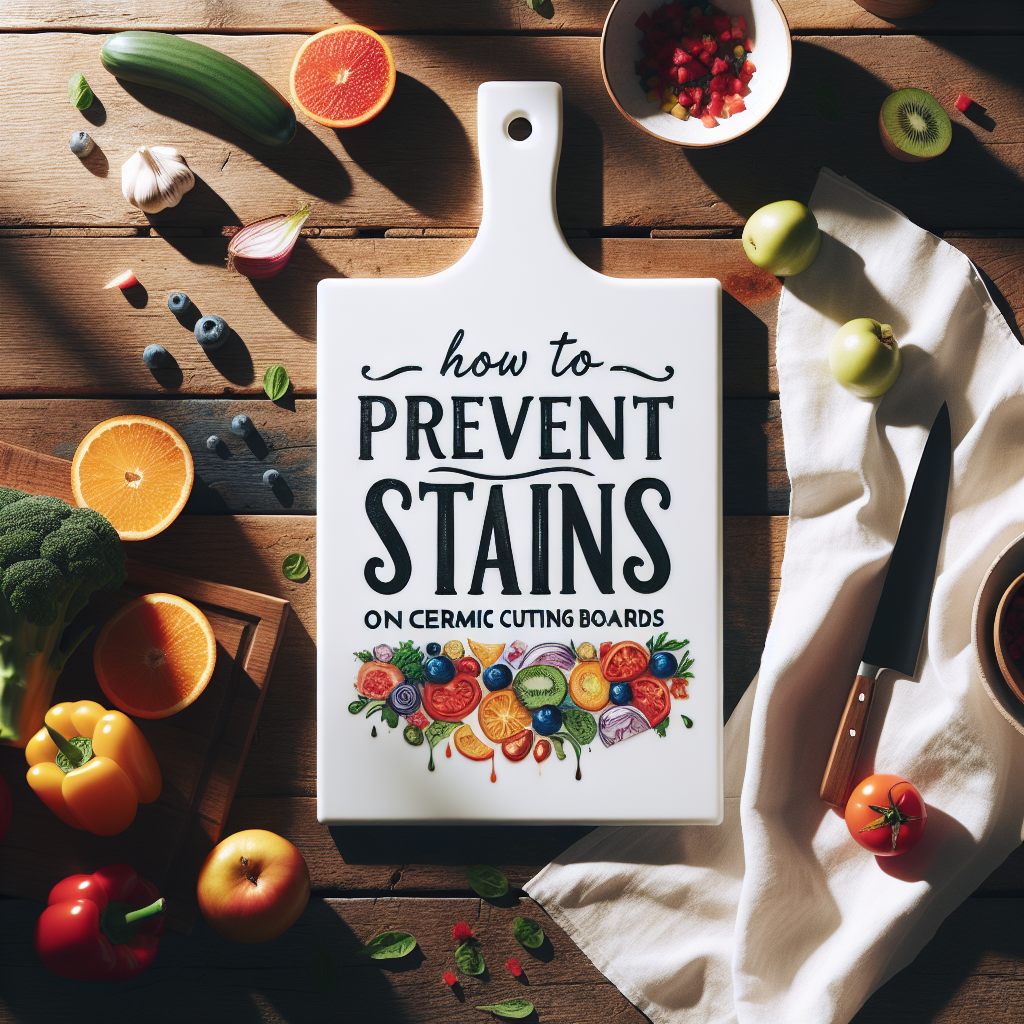
How to Prevent Stains on Ceramic Cutting Boards
Ceramic cutting boards are a popular choice for many cooks due to their durability and beautiful designs. However, they can easily become stained if not properly cared for. Here are some tips to prevent stains on your ceramic cutting board:
1. Clean promptly after each use
It’s important to clean your ceramic cutting board immediately after each use to prevent food and bacteria from staining the surface. Use warm, soapy water and a non-abrasive sponge to wipe down the board.
2. Avoid cutting acidic or strongly colored foods directly on the board
Foods like tomatoes, lemons, and beets can cause stains on your cutting board. Try to avoid cutting these foods directly on the ceramic surface. Instead, use a separate cutting mat or board for these items.
3. Use a cutting board oil
Applying a cutting board oil to your ceramic cutting board can help protect it from staining. Be sure to follow the manufacturer’s instructions for the best results.
4. Dry thoroughly after cleaning
After washing your ceramic cutting board, dry it thoroughly with a clean towel to prevent water stains from forming. Store the board in a dry, well-ventilated area when not in use.
5. Avoid harsh chemicals and abrasives
Avoid using harsh chemicals or abrasive cleaners on your ceramic cutting board, as these can damage the surface and make it more prone to staining. Stick to gentle cleaning solutions and tools.
Introduction
Ceramic cutting boards are a popular choice for many home cooks due to their durability and ease of cleaning. However, they are prone to staining if not properly cared for. In this blog post, we will discuss some tips on how to prevent stains on ceramic cutting boards.
1. Regular Cleaning
To prevent stains on your ceramic cutting board, it is essential to clean it regularly after each use. Use warm, soapy water and a soft sponge or cloth to wipe down the surface. Avoid harsh abrasives that can scratch the ceramic.
2. Avoid Cutting Acidic Foods
Acidic foods such as lemons, tomatoes, and vinegar can cause stains on ceramic cutting boards. Try to avoid cutting these foods directly on the board. Instead, use a separate cutting board for acidic ingredients.
2.1 Use a Cutting Mat
If you must cut acidic foods on your ceramic cutting board, consider using a cutting mat on top. This will help protect the board from stains and scratches.
3. Oil the Cutting Board
Regularly oiling your ceramic cutting board can help prevent staining and prolong its lifespan. Use food-grade mineral oil or beeswax to seal the surface and create a protective barrier.
4. Dry Properly
After cleaning your ceramic cutting board, make sure to dry it thoroughly before storing it away. Moisture can lead to stains and mold growth, so ensure the board is completely dry before use.
5. Store Properly
Store your ceramic cutting board in a cool, dry place away from direct sunlight. Avoid storing it in humid or damp environments that can promote mold and mildew growth.
Conclusion
By following these tips on how to prevent stains on ceramic cutting boards, you can keep your kitchen essential looking pristine and well-maintained. With proper care and maintenance, your ceramic cutting board can last for years to come.

Why Preventing Stains on Ceramic Cutting Boards Is Important
Ceramic cutting boards are a popular choice for many home cooks due to their durability and resistance to bacterial growth. However, it is important to take care of your ceramic cutting board to prevent stains and maintain its appearance and functionality.
Tips for Preventing Stains on Ceramic Cutting Boards
1. Rinse Immediately: After using your ceramic cutting board, rinse it right away with warm water and mild dish soap to remove any food residue and prevent stains from setting in.
2. Avoid Staining Foods: Try to avoid cutting foods that are prone to staining, such as beets, berries, and turmeric, directly on your ceramic cutting board. Use a separate cutting board for these foods if possible.
3. Use a Cutting Mat: Consider using a cutting mat on top of your ceramic cutting board when cutting foods that may stain. This will protect your cutting board and make cleanup easier.
4. Oil the Board: Periodically oiling your ceramic cutting board with food-safe mineral oil can help prevent stains and keep the board looking new. Be sure to follow the manufacturer’s recommendations for oiling.
5. Clean Properly: Avoid harsh cleaners or abrasive sponges when cleaning your ceramic cutting board, as these can damage the surface and make staining more likely. Stick to gentle cleaning methods and pat the board dry after washing.
By following these simple tips, you can prevent stains on your ceramic cutting board and enjoy its benefits for years to come.
For more information on ceramic cutting boards, visit Wikipedia.


Frequently Asked Questions
Why do ceramic cutting boards get stained?
Ceramic cutting boards can get stained due to absorbing colors from certain foods, especially those with strong pigments like tomatoes or beets.
How can I prevent stains on my ceramic cutting board?
There are several ways to prevent stains on your ceramic cutting board:
- Use a separate board for cutting colorful foods: Consider using a separate board for cutting foods known to cause staining, like tomatoes or beets.
- Wash immediately after use: Rinse your cutting board with warm, soapy water immediately after use to prevent stains from setting in.
- Avoid harsh cleaners: Use mild dish soap and water to clean your cutting board, as harsh cleaners can damage the ceramic surface.
- Avoid cutting directly on the surface: To prevent scratches and possible staining, avoid cutting directly on the ceramic surface and use a cutting mat instead.
Can I use bleach to remove stains from my ceramic cutting board?
It is not recommended to use bleach to remove stains from ceramic cutting boards, as it can damage the surface and leave a strong chemical residue. Stick to gentle cleaning methods like baking soda or white vinegar instead.

How to Prevent Stains on Ceramic Cutting Boards
- Always clean your cutting board after each use with warm, soapy water.
- Avoid cutting highly pigmented foods like beets directly on the board.
- Consider using a separate cutting board for meats to prevent cross-contamination.
- Regularly apply a mineral oil or beeswax finish to protect the surface of the cutting board.
- Avoid exposing the cutting board to extreme temperatures or direct sunlight.