



Contents
What is the difference between bleached and unbleached flour?
Flour is a staple ingredient in many baking recipes, and there are two common types of flour available in the market: bleached and unbleached. While they may look similar, there are some major differences between these two types of flour.
Bleached flour is chemically treated with either chlorine or benzoyl peroxide to make it whiter and finer in texture. The process is intended to make the flour easier to work with in baking, as it results in a softer, smoother dough. It also gives baked goods a lighter color and a milder flavor.
On the other hand, unbleached flour is not chemically treated and has a slightly higher protein content than bleached flour. This makes it better suited for recipes that require more gluten development, such as bread and pizza dough. It has a slightly darker color and a nuttier flavor than bleached flour.
In summary, the main difference between bleached and unbleached flour is the chemical treatment used during the milling process. Bleached flour is chemically treated to make it whiter and finer in texture, while unbleached flour is not chemically treated and has a slightly higher protein content. Both types of flour can be used in a variety of recipes, but it’s important to choose the right flour for the specific recipe you are making.
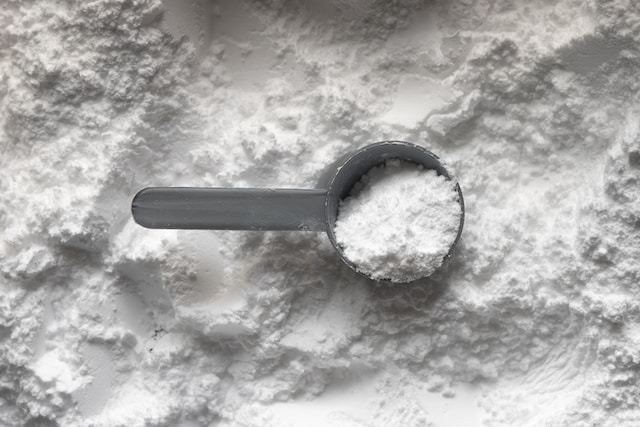
What is the Difference Between Bleached and Unbleached Flour?
Introduction
Flour is an essential ingredient in baking. Whether it’s making cakes, muffins, or bread, flour is the foundation of most baked goods. There are different types of flour available, and you may have noticed that some of them are labelled as “bleached” or “unbleached.” But what is the difference between these two types of flour? In this blog post, we will explore the differences between bleached and unbleached flour, and which type may be better for certain recipes.
Bleached Flour
Bleached flour is treated with chemicals to make it appear whiter and brighter. The most common chemical used for bleaching flour is chlorine dioxide. The process of bleaching flour can also affect the protein content, which can impact the texture of the final product.
Bleached flour is often used in recipes that require a lighter texture, such as cakes or pastries. The bleaching process can help to break down the gluten, which makes the texture softer and more tender. However, bleached flour may not be the best choice for recipes that require a stronger flour, such as bread. This is because the bleaching process can weaken the gluten structure, which is necessary for making bread rise.
It’s worth noting that there are different levels of bleaching, and some bleached flours may be more heavily treated with chemicals than others. It’s always a good idea to read the label and choose a flour that is suitable for your recipe.
Unbleached Flour
Unbleached flour, as the name suggests, is not treated with chemicals to alter its appearance. Instead, it is allowed to naturally age and whiten over time. This means that unbleached flour has a slightly yellowish tint, rather than the bright white of bleached flour.
Unbleached flour is often considered the healthier option, as it is less processed and does not contain any chemical additives. It also has a higher protein content than bleached flour, which makes it ideal for recipes that require a stronger flour, such as bread.
However, unbleached flour can sometimes result in a denser texture in recipes that require a lighter touch. This is because of the higher protein content, which can create a tougher texture if not handled properly.
Conclusion
In conclusion, the main difference between bleached and unbleached flour is the treatment process. Bleached flour is treated with chemicals to appear brighter, while unbleached flour is allowed to age naturally. Bleached flour is best for recipes that require a lighter texture, while unbleached flour is better for recipes that require a stronger flour.
Ultimately, the choice between bleached and unbleached flour depends on the recipe you are making, and the texture you are looking for. Choosing the right flour can make a big difference in the final product, so be sure to read the label and understand the differences before you start baking.
References

Frequently Asked Questions
What is the difference between bleached and unbleached flour?
Bleached flour goes through a chemical process that whitens the flour, improves its texture, and makes it softer. The process involves using chemicals like chlorine dioxide, benzoyl peroxide, and azodicarbonamide. On the other hand, unbleached flour does not undergo any chemical process and maintains its natural color and texture.
Is one type of flour healthier than the other?
The nutritional content between bleached and unbleached flour is almost the same. However, some people prefer unbleached flour since it is considered a more natural option compared to the chemically treated bleached flour.
Which type of flour should I use for baking?
The decision of which type of flour to use for baking depends on personal preference and the recipe you are using. Bleached flour can be great for baked goods that require a lighter and softer texture, such as cakes, muffins, and pancakes. Unbleached flour, on the other hand, is great for baked goods that require a denser texture, such as bread, cookies, and pie crusts.

What Are The Health Benefits of Whole Wheat Flour?
Introduction
Whole wheat flour is a healthy alternative to refined flour. It is made by grinding the entire wheat kernel, including the bran, germ, and endosperm. Whole wheat flour is a good source of fiber, vitamins, and minerals. It has a nutty flavor and a slightly coarser texture than refined flour.
The Health Benefits of Whole Wheat Flour
The health benefits of whole wheat flour are numerous. Here are a few:
1. Rich in Fiber
Whole wheat flour is rich in fiber, which helps maintain digestive health. It helps regulate bowel movements, prevents constipation, and reduces the risk of colon cancer.
2. Lowers Cholesterol
Whole wheat flour is a good source of soluble fiber, which helps lower cholesterol levels in the blood. High cholesterol levels can lead to heart disease, so eating whole wheat flour can help reduce the risk.
3. Controls Blood Sugar
Whole wheat flour has a lower glycemic index than refined flour. This means it causes a slower and more gradual rise in blood sugar levels. This can help people with diabetes control their blood sugar levels.
4. Rich in Nutrients
Whole wheat flour is rich in nutrients like vitamins B, E, and K, and minerals like magnesium, iron, and zinc. These nutrients help maintain overall health and prevent nutritional deficiencies.
Outbound Link to Relevant Page in Wikipedia
To learn more about whole wheat flour, you can visit the Wikipedia page on Whole Wheat Flour.
What is the difference between bleached and unbleached flour?
- Bleached flour: treated with chemicals to whiten and alter its texture
- Unbleached flour: not treated with chemicals, retains its natural color and texture
- Bleached flour produces lighter and fluffier baked goods
- Unbleached flour produces denser and heartier baked goods
- Some people prefer unbleached flour for its more natural properties
- Bleached flour may have a longer shelf life due to its processing


