Contents
What is the difference between Swiss cheese and Gruyere?
When it comes to cheese, there are many varieties to choose from. Two popular options are Swiss cheese and Gruyere. Although they may look similar, they have several differences that set them apart.
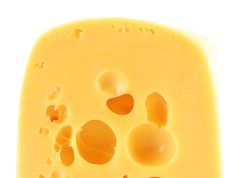
Swiss cheese, also known as Emmental, is a famous type of cheese originating from Switzerland. It is known for its distinctive nutty flavor and large holes, which are formed during the production process. Swiss cheese is often used in sandwiches, fondues, and as a topping for burgers and salads.
Gruyere cheese, on the other hand, is named after the town of Gruyeres in Switzerland. It has a creamy texture and a sweet, slightly nutty flavor. Unlike Swiss cheese, Gruyere typically does not have large holes, but rather small, scattered holes. It is commonly used in dishes such as quiches, gratins, and French onion soup.
In summary, Swiss cheese and Gruyere have some similarities, such as their country of origin and nutty flavor. However, their distinct hole sizes and uses in cooking make them unique options for cheese lovers.
Introduction
If you love cheese, you might have noticed that Swiss cheese and Gruyere cheese look similar and have similar holes. However, these two cheeses are actually different from each other. In this blog post, we will explore the differences between Swiss cheese and Gruyere cheese, so you can make informed decisions the next time you go cheese shopping.
What is Swiss cheese?
Swiss cheese, also known as Emmental cheese, is a semi-hard cheese that originated from Switzerland. It has a pale yellow color and characteristic large holes, also known as “eyes”. Swiss cheese has a mild, nutty flavor and a slightly sweet aroma. It is usually aged for three to four months to develop a firmer texture and a more pronounced flavor.
How is Swiss cheese made?
Swiss cheese is made from cow’s milk that is heated and combined with bacterial culture and rennet. The mixture is then left to coagulate before being cut into small curds. The curds are then cooked and stirred before being placed in molds, where the whey is drained off. The cheese is then soaked in brine for a few days before being aged.
What are the uses of Swiss cheese?
Swiss cheese is a versatile cheese that can be used in many dishes. It pairs well with meats, fruits, and vegetables. It is also a popular cheese for fondue and sandwiches.
What is Gruyere cheese?
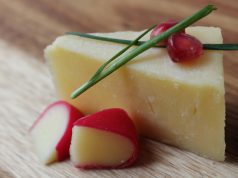
Gruyere cheese is a hard cheese that originated from Switzerland. It has a pale yellow color and small, round holes. Gruyere cheese has a strong, nutty flavor and a slightly earthy aroma. It is usually aged for six to twelve months to develop a harder texture and a more robust flavor.
How is Gruyere cheese made?
Gruyere cheese is made from cow’s milk that is heated and combined with bacterial culture and rennet. The mixture is then left to coagulate before being cut into small curds. The curds are then cooked and stirred before being placed in molds, where the whey is drained off. The cheese is then soaked in brine for a few days before being aged.
What are the uses of Gruyere cheese?
Gruyere cheese is a popular cheese for melting, making it perfect for gratins, quiches, and macaroni and cheese. It is also a great cheese to serve on a cheese board, paired with fruits, nuts, and crackers.
What is the difference between Swiss cheese and Gruyere cheese?
The main difference between Swiss cheese and Gruyere cheese is the flavor. Swiss cheese has a milder, nuttier flavor, while Gruyere cheese has a stronger, nuttier flavor. Swiss cheese also has larger holes, while Gruyere cheese has smaller holes. Additionally, Gruyere cheese is typically aged longer than Swiss cheese, giving it a harder texture and a more robust flavor.
Conclusion
Swiss cheese and Gruyere cheese may look similar, but they are quite different from each other. Swiss cheese has a milder flavor and larger holes, while Gruyere cheese has a stronger flavor and smaller holes. Both cheeses are versatile and can be used in a variety of dishes. Whether you prefer Swiss cheese or Gruyere cheese, there is no denying that both are delicious and worth trying.
References
- The Spruce Eats: Gruyere Cheese
- The Spruce Eats: Swiss Cheese
- Bon Appetit: Why Gruyere Cheese Should Have a Spot in Your Fridge

What is the difference between Swiss cheese and Gruyere?
Flavor
Swiss cheese is a mild and nutty cheese with a slightly sweet taste, while Gruyere has a stronger and earthier flavor with notes of nuts and fruits.
Texture
Swiss cheese has a elastic and smooth texture, while Gruyere has a harder and denser texture with small holes.
Aging
Swiss cheese is typically aged for a shorter period of time and has a milder taste. Gruyere is aged for a longer period of time, which contributes to its stronger and more complex flavor.
Origin
Swiss cheese originates from Switzerland, whereas Gruyere cheese is named after the Swiss village of Gruyeres.
Uses
Swiss cheese is commonly used in sandwiches, fondue, and as a topping on burgers. Gruyere cheese is best suited for cooking, especially in fondue, gratins, and soups.

The Delicious World of Cheese – Exploring the Different Types of Cheeses Available
Introduction
Cheese – the versatile dairy product that accompanies almost every food! The world of cheese is vast, with a seemingly endless variety of styles, textures, and flavors to choose from. Whether you are a cheese connoisseur or simply enjoy a slice on your burger, there is always something new to explore in the world of cheese.
Long Tail Keyword: Different Types of Cheeses Available
One of the most exciting aspects of cheese is the sheer variety of different types available. From soft and creamy bries to sharp and tangy cheddars, there truly is a cheese for everyone. Some popular types of cheese include:
Blue Cheese
Blue cheese is known for its distinct blue veins, which are created from the injection of mold spores during the cheesemaking process. With its pungent aroma and bold flavor, blue cheese is a favorite among cheese lovers.
Cheddar Cheese
Cheddar cheese is one of the most popular types of cheese in the world, and for good reason. With its sharp, tangy flavor and smooth, creamy texture, cheddar cheese is versatile and pairs well with a variety of foods.
Brie Cheese
Brie cheese is a soft, creamy cheese with a delicate flavor. It is often served at room temperature and pairs well with crackers, bread, and fruit.
Mozzarella Cheese
Mozzarella cheese is a soft, mild cheese that is perfect for melting. It is commonly used on pizzas, in lasagnas, and in a variety of other dishes.
Outbound Link
If you want to learn more about the different types of cheese available, check out the following link to the Cheese page on Wikipedia: https://en.wikipedia.org/wiki/Cheese. It provides a comprehensive overview of the different types of cheese and their origins.
Conclusion
Cheese is one of the most beloved foods in the world, and with so many different types available, it’s easy to see why. Whether you prefer bold and flavorful blue cheese or the creamy, mild flavor of mozzarella, there is a cheese out there for everyone to enjoy. So go ahead, explore the delicious world of cheese and discover your new favorite variety.

What is the difference between Swiss cheese and Gruyere?
- Swiss cheese is a type of cheese that is characterized by its pale yellow color, numerous holes, and mild, nutty flavor.
- Gruyere, on the other hand, is a type of cheese that is made from cow’s milk and has a more pungent, earthy flavor.
- Swiss cheese is typically aged for shorter periods of time (usually about 3 months) than Gruyere, which can be aged for up to a year or more.
- Gruyere has a firmer texture than Swiss cheese, which is more soft and creamy.
- While both Swiss cheese and Gruyere are commonly used in cooking (especially in fondue), Gruyere is often preferred for its stronger flavor profile and melting properties.