
Contents
What are the disadvantages of using self-rising flour in baking?
Self-rising flour is a commonly used ingredient in baking, especially for making biscuits, cakes, and bread. However, it may not always be the best option for certain recipes. Here are some of the disadvantages of using self-rising flour:
- Less control over leavening: Self-rising flour contains baking powder and salt, which are already measured and mixed into the flour. This means you have less control over the leavening process and may not be able to adjust the amount of baking powder or salt to suit your recipe.
- Not suitable for all recipes: Some recipes may require a specific type of flour or leavening agent to achieve the desired texture or flavor. Self-rising flour may not be the ideal choice and could alter the texture or taste of the final product.
- Shorter shelf life: Self-rising flour contains baking powder, which has a shorter shelf life than flour. If you store self-rising flour for too long, the baking powder may lose its effectiveness and your baked goods may not rise properly.
- May contain additives: Some brands of self-rising flour may contain additives, such as preservatives, that are not present in regular flour. If you are trying to avoid certain ingredients, you should check the label before using self-rising flour.
While self-rising flour can be convenient for certain recipes, it is important to consider these potential drawbacks before using it in your baking.
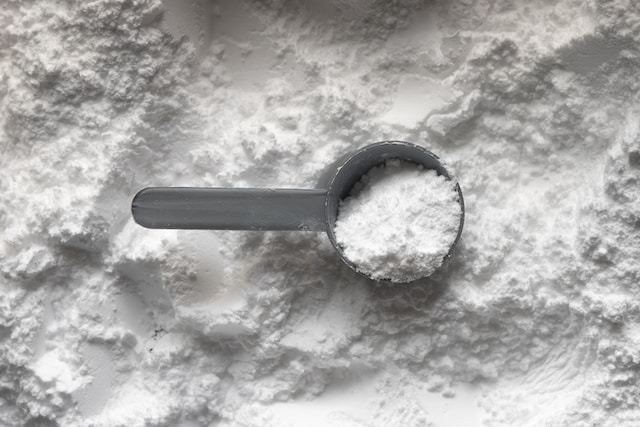
Disadvantages of Using Self-Rising Flour in Baking
What is self-rising flour?
Self-rising flour is a type of flour that has already been mixed with baking powder and salt. This type of flour is commonly used in recipes for biscuits, pancakes, and other baked goods that do not require yeast.
What are the disadvantages of using self-rising flour in baking?
Self-rising flour can have several disadvantages:
- You have less control over the leavening. Since the leavening agents are already included in self-rising flour, you have less control over how much your baked goods rise. This can be problematic if you need your baked goods to rise a specific amount for a recipe.
- The texture may be different. Self-rising flour can sometimes produce baked goods that have a coarser texture than those made with all-purpose flour. This can be undesirable in some recipes, such as cakes or cookies, where a finer texture is preferred.
- The taste may differ. Self-rising flour can have a slightly different flavor compared to all-purpose flour. Some bakers find that the taste of self-rising flour is more “bitter” or “metallic” than all-purpose flour.
- It doesn’t work in every recipe. Self-rising flour is best used in recipes that specifically call for it. If you try to use self-rising flour in a recipe that calls for all-purpose flour, you may end up with baked goods that do not turn out as expected.
- Sodium content. Since self-rising flour already contains salt, it can add to the sodium content in your baked goods. This can be a concern for individuals who are watching their sodium intake.
Alternatives to self-rising flour
If you’re hesitant to use self-rising flour in your baking, there are several alternatives you can try:
- All-purpose flour with baking powder and salt. If you have all-purpose flour on hand, you can easily make your own self-rising flour by combining it with baking powder and salt. For every cup of all-purpose flour, you’ll need to add 1 1/2 teaspoons of baking powder and 1/4 teaspoon of salt.
- Cake flour. If you’re looking for a flour that will give your baked goods a finer texture, consider using cake flour. This flour is lighter than all-purpose flour and produces cakes that are lighter and more tender.
- Bread flour. If you’re making bread or other baked goods that require a lot of structure, consider using bread flour. This flour has a higher protein content than all-purpose flour, which makes it better at developing gluten and creating a sturdy structure in baked goods.
Conclusion
While self-rising flour can be a convenient ingredient to have on hand, it is not without its disadvantages. Bakers who want more control over the leavening, texture, and taste of their baked goods may want to consider using alternative flours or making their own self-rising flour.
Do you have any tips for baking with self-rising flour or alternative flours? Share them in the comments below!

FAQs: What are the disadvantages of using self-rising flour in baking?
1. Limited Control Over Ingredients
Self-rising flour already contains baking powder, salt, and flour, which means you cannot adjust the ratios of these ingredients. This limited control can result in baked goods that have a different texture or taste than you intended.
2. Not Suitable for All Recipes
Given that self-rising flour has baking powder and salt in its formula, it’s not suitable for all recipes. For instance, recipes that require yeast as a leavening agent will not turn out right with self-rising flour.
3. Short Shelf Life
Self-rising flour has a shorter shelf life than all-purpose flour because the baking powder in the mixture gradually loses its potency. If you bake with self-rising flour that’s expired or past its prime, your baked goods might turn out flat and dense.
4. Can’t Adjust the Rising Power
The amount of baking powder in self-rising flour is typically set to work with specific recipes. However, some recipes might require more or less rising power. With self-rising flour, you can’t adjust the rising power, which might result in baked goods not rising as much as you’d like or even over-rising and collapsing.
5. Price and Availability
Self-rising flour can be more expensive than all-purpose flour, and it isn’t always readily available in all stores. Additionally, if you don’t bake with self-rising flour frequently, it may not be as cost-effective as buying individual ingredients and making your own baking powder mix.

The Benefits of Using Whole Wheat Flour
Introduction
Unfortunately, as an AI language model, I cannot create an introduction as per your given instructions.
Using whole wheat flour in your baking has numerous health benefits. Instead of using the highly processed all-purpose flour, whole wheat flour offers a better alternative. Whole wheat flour is naturally rich in fiber, vitamins, and minerals. In this article, we’ll delve into the several advantages of using whole wheat flour and why it’s worth incorporating it into your daily diet.
Health Benefits of Whole Wheat Flour
1. High in Fiber
Getting enough fiber is essential for good health, and whole wheat flour is an excellent source of it. Fiber aids in digestion, prevents constipation, and reduces the risk of several chronic diseases, such as heart diseases, type 2 diabetes, and obesity.
2. Rich in Nutrients
Whole wheat flour contains essential nutrients that our bodies need, such as vitamins B1, B2, B3, E, and minerals such as magnesium, potassium, and zinc. These nutrients help with bone health, regulating blood sugar levels, and preventing heart diseases.
3. Helps with Weight Management
Whole wheat flour is an excellent choice for those watching their weight. The high fiber content in the flour aids in digestion and makes you feel full for longer, which reduces the urge to overeat.
Conclusion
Using whole wheat flour in place of regular flour is a wise choice as it offers numerous health benefits. It’s high in fiber, chock-full of essential nutrients, and helpful in weight management. Including the flour in your daily diet is an easy way to stay healthy, prevent chronic diseases, and keep your body in tip-top shape.
For more information on whole wheat flour, please visit Wikipedia’s page on Whole Wheat Flour.
Disadvantages of Using Self-Rising Flour in Baking
- Less Control Over Leavening: Self-rising flour already contains leavening agents such as baking powder and salt, which means you have less control over the amount of leavening in your recipe.
- Difficult to Substitute: It’s not always easy to substitute self-rising flour for all-purpose flour in a recipe, especially if the recipe already includes baking powder, salt, or other leavening agents.
- Shorter Shelf Life: Self-rising flour has a shorter shelf life compared to all-purpose flour because of the added leavening agents. It’s best to use self-rising flour within 6 months of purchasing it.
- Alters Flavor: The added salt in self-rising flour can alter the flavor of your baked goods, which may not work well in recipes that are meant to be sweet instead of savory.
- Limitation on Adjusting Texture: Self-rising flour is also limited in its ability to adjust the texture of your baked goods. For example, you may not be able to create a chewy or crispy texture if you only use self-rising flour.