


Contents
How Does Bleached Flour Differ from Unbleached Flour in Terms of Taste and Texture?
Bleached flour and unbleached flour are two common types of flour used in baking. Bleached flour is chemically treated to make it white and soft, while unbleached flour is not chemically treated and retains its natural color and texture. The main differences between bleached flour and unbleached flour can be seen in their taste and texture.
Bleached flour has a milder taste compared to unbleached flour. This is because the bleaching process removes some of the protein and nutrients from the flour, which can affect its flavor. Additionally, bleached flour is often treated with additional chemicals to improve its texture, which can alter its taste.
On the other hand, unbleached flour has a stronger taste due to its natural protein content. It also tends to have a denser texture, which can make it ideal for certain types of baked goods such as breads and pastries.
In terms of texture, bleached flour is often softer and lighter compared to unbleached flour. This is because the bleaching process breaks down the proteins in the flour, making it easier to mix and work with. Unbleached flour, on the other hand, tends to be denser and more elastic, which can make it more difficult to work with in certain recipes.
In conclusion, bleached flour differs from unbleached flour in terms of taste and texture. While bleached flour is often milder and softer, unbleached flour has a stronger taste and denser texture. Both types of flour have their own unique characteristics and can be used for different types of baked goods depending on the desired outcome.
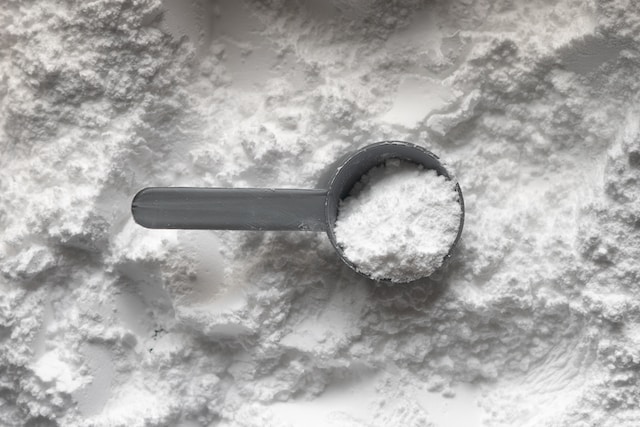
Bleached Flour and Unbleached Flour: What’s the Difference?
When it comes to baking, the type of flour you use can make all the difference in the taste and texture of your final product. Two types of flour that are commonly used in baking are bleached flour and unbleached flour.
What is Bleached Flour?
Bleached flour is flour that has been chemically treated to make it whiter and softer. The bleaching process involves using chemicals like chlorine dioxide or benzoyl peroxide to break down the pigments and proteins in the flour. This process also makes the flour more acidic, which can affect the taste of the final product.
Bleached flour is often used in recipes that require a fine-textured and tender product, such as cakes, cookies, and biscuits. It also has a shorter shelf life than unbleached flour because the bleaching process can cause the oils in the flour to go rancid more quickly.
What is Unbleached Flour?
Unbleached flour is flour that has not been chemically treated. The flour is left in its natural state, which means it has a slightly yellowish color and coarser texture than bleached flour. Because unbleached flour has not been treated with chemicals, it is often considered to be the healthier option.
Unbleached flour is often used in recipes that require a stronger and more elastic dough, such as bread, pizza dough, and pasta. It also has a longer shelf life than bleached flour because it has not been treated with chemicals that can cause the oils in the flour to go rancid.
The Difference in Taste and Texture
The main difference in the taste and texture of bleached and unbleached flour comes down to the chemical treatment that bleached flour undergoes. Because bleached flour is softer and more acidic, it tends to produce a more tender product with a sweeter flavor. However, the acidity can also give the final product a slightly metallic taste.
Unbleached flour, on the other hand, has a coarser texture and more natural flavor. It produces a stronger and more elastic dough, which is ideal for recipes that require a chewy texture. The lack of chemical treatment also means that the flavor of the final product is more natural and less processed.
Conclusion
When it comes to choosing between bleached and unbleached flour, it really comes down to personal preference and the type of recipe you are making. If you want a softer and more tender result, bleached flour is your best bet. If you are looking for a stronger and chewier result, unbleached flour is the way to go.
Regardless of which type of flour you choose, it’s important to remember that both bleached and unbleached flour can be used in a variety of recipes. Experiment with both types of flour to determine which one you prefer for your baking needs.

FAQs
How does bleached flour differ from unbleached flour in terms of taste and texture?
Bleached flour is treated with chemicals, such as chlorine dioxide, to speed up the aging process and achieve a whiter color. This process can result in a softer and finer texture, as well as a milder flavor compared to unbleached flour. Unbleached flour, on the other hand, has a more natural color and coarser texture, with a slightly nuttier taste. It also tends to have a higher protein content, which can affect its performance in certain recipes.

The Importance of Choosing High Quality Flour for Your Baking Needs
As a baker, one of the most crucial decisions you will make is choosing the right flour for your recipes. With so many options available, it can be overwhelming to decide which type of flour will yield the best results. This is where the importance of quality flour comes in.
Why Quality Matters
High quality flour is key to achieving the perfect texture and taste in your baked goods. It contains the proper protein content needed for the recipe, which affects the gluten formation and texture of the final product. Flour that is past its prime, or of low quality, can result in tough or dry baked goods. In addition, quality flour ensures that your final product will have the desired flavor and aroma.
How to Choose the Right Flour
When choosing flour, take into consideration the type of recipe you will be making. Will it be a cake? Bread? Pastry? Each type of baked good requires a specific type of flour with the appropriate protein content. Research different flours and their uses to find the best match for your recipe.
It is also important to consider the brand and source of your flour. Look for brands that have a reputation for producing high quality flour, and try to purchase from a reliable source. Additionally, consider the freshness of your flour as it can affect the quality of your baked goods. Only purchase the amount of flour you need and store it in a cool, dry place.
Conclusion
In conclusion, choosing high quality flour for your baked goods is a crucial step to achieving the best results. Take the time to research and choose the appropriate type of flour for your recipe, and consider the brand, source, and freshness of your flour. With the right flour, your baked goods will not only taste amazing but also have the perfect texture and aroma.
Learn more about different types of flour on Wikipedia
How does bleached flour differ from unbleached flour in terms of taste and texture?
- Bleached flour has a brighter white color and a finer texture compared to unbleached flour.
- Bleaching may alter the protein content and affect gluten formation, making bleached flour less suitable for bread making and resulting in a softer texture.
- Unbleached flour is typically earthier in taste and has a slightly coarser texture, making it a better choice for heartier baked goods like bread and pizza crust.
- Bleaching can introduce chemicals like chlorine dioxide, benzoyl peroxide, and nitrogen dioxide into the flour, which some people may be sensitive to.
- Unbleached flour is less processed, maintaining more of the natural nutrients and flavors of the wheat.


