










Contents
Maintenance Requirements for a Reverse Osmosis System
Reverse osmosis systems are used for water purification and play a vital role in many industries, such as healthcare, food, and beverage production. But like any other filtration system, it requires proper maintenance to function at its best.
Periodic Filter Replacement: It is essential to replace the filters regularly, as they remove impurities from the water. The sediment pre-filter should be changed every 6-12 months, while carbon and RO membrane filters should be changed every 1-3 years, depending on usage.
Cleaning: Over time, the RO membrane can get clogged with impurities, reducing the system’s efficiency. The frequency of cleaning will depend on the quality and volume of water it has purified. Regular cleaning and sanitization of the system will prolong its life.
Water Testing: Regular testing of the water for minerals’ presence in it is essential. Elevated levels of minerals such as calcium and magnesium indicate issues with the system that needs to be corrected to maintain the RO system’s efficiency.
Pressure Monitoring: Reverse osmosis systems work under high pressure, and pressure fluctuations may damage the system. Periodic pressure monitoring will help you identify any abnormalities and take corrective measures.
Overall System Check: An overall system check is necessary to make sure all the parts of the RO system are functioning optimally. Any irregularities like leaks, clogs, or malfunctioning parts should be addressed immediately.
In conclusion, regular maintenance and care can prolong an RO system’s life by several years, saving repair and replacement costs. With effective maintenance, it can continue to provide clean and safe drinking water for many years.

💧 = Use the coupon code SALEG3P800 to save $150 OFF on the 800GPD Tankless RO System with UV Sterilizing Light – Waterdrop G3P800 = 💧
Maintaining Your Reverse Osmosis System
Reverse osmosis systems are used to purify water by forcing it through a semi-permeable membrane that filters out impurities. To keep your system functioning properly, it is important to perform regular maintenance. Here are some maintenance requirements for a reverse osmosis system:
1. Change the Filters
The filters in your reverse osmosis system need to be changed regularly to ensure that your water remains clean and safe to drink. The frequency of filter changes depends on the quality of your water and the amount of water your system processes. However, most filters will need to be replaced every six to twelve months.
2. Clean the Membrane
The semi-permeable membrane in your reverse osmosis system can become clogged with impurities over time, which can affect the quality of your water. To prevent this from happening, you should clean your membrane at least once a year. Follow the manufacturer’s instructions for cleaning the membrane, as different systems require different cleaning methods.
3. Sanitize the System
Over time, bacteria and other microorganisms can build up in your reverse osmosis system. To prevent this from happening, you should sanitize your system at least once a year. Follow the manufacturer’s instructions for sanitizing your system, as different systems require different methods.
4. Monitor Water Pressure
Your reverse osmosis system relies on water pressure to function properly. If the water pressure is too low, your system may not produce enough clean water. If the water pressure is too high, it could damage your system. Check your water pressure regularly and make sure it is within the recommended range, which can be found in your system’s manual.
5. Check for Leaks
Leaks in your reverse osmosis system can lead to wasted water and can affect the quality of your water. Check your system regularly for leaks and repair any leaks as soon as possible.
By following these maintenance requirements, you can ensure that your reverse osmosis system continues to produce clean and safe drinking water. If you have any questions or concerns about your reverse osmosis system, consult your system’s manual or contact the manufacturer.
For more information about reverse osmosis systems, check out our Reverse Osmosis Systems 101 post.
Keywords: reverse osmosis system, maintenance requirements, water pressure, semi-permeable membrane, filter change, membrane cleaning, system sanitization, leak detection.
💧 = Use the coupon code SALEG3P800 to save $150 OFF on the 800GPD Tankless RO System with UV Sterilizing Light – Waterdrop G3P800 = 💧
Shop now for Waterdrop N1
What are the maintenance requirements for a reverse osmosis system?
Regular filter replacement
The most important part of maintaining a reverse osmosis system is to regularly replace the filters. The sediment filter, carbon filter, and post-filter need to be changed every six months. The reverse osmosis membrane can last up to two years, but it should be replaced if the system’s performance decreases.
Cleaning the system
The reverse osmosis system should be cleaned at least once a year to remove any build-up of mineral deposits or bacteria. Use a mixture of water and vinegar or a specialized cleaning solution to flush the system.
Checking the pressure
The reverse osmosis system needs to operate at a certain pressure to ensure efficient water production. Check the pressure regularly and adjust it as needed.
Inspecting the tank and fittings
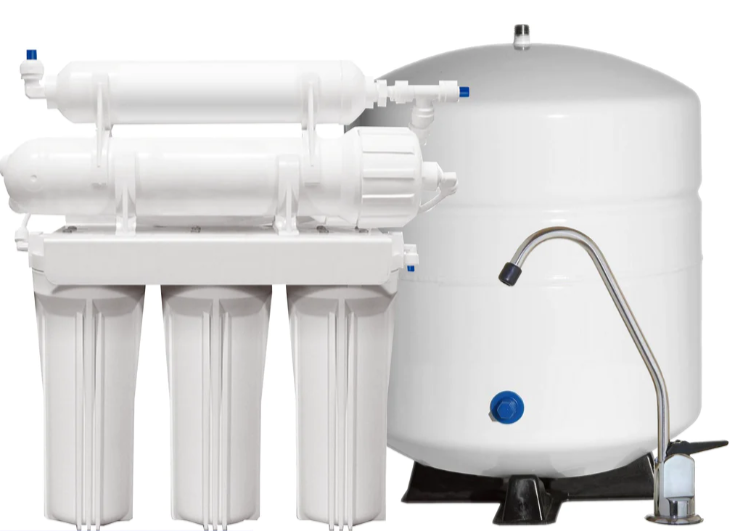
It’s important to periodically inspect the tank and fittings to ensure there are no leaks. Replace any damaged or worn-out parts to prevent further damage.
Professional maintenance
If you’re not confident in maintaining the system yourself, hire a professional to perform regular maintenance. A professional can conduct a thorough inspection and identify any potential problems before they become more serious issues.

Introduction to Reverse Osmosis Technology
Reverse osmosis is a water purification method that uses a semi-permeable membrane to remove ions, molecules, and larger particles from drinking water. The membrane allows water molecules to pass through but stops larger particles from entering the treated water.
Advantages of Reverse Osmosis
Reverse osmosis has several benefits over other water purification systems:
- It removes up to 99% of harmful contaminants from water, including lead, arsenic, fluoride, and chlorine.
- The water produced by reverse osmosis is clean and fresh-tasting, with no odor or taste of dissolved minerals.
- The process is highly efficient, using less water and energy than other purification methods.
How Reverse Osmosis Works
The reverse osmosis process involves several steps:
- Water is first passed through a sediment filter to remove larger particles and debris.
- The pre-filtered water is then pumped under high pressure through the semi-permeable membrane, which removes dissolved solids and other harmful contaminants.
- The clean water is collected in a storage tank for later use, while the rejected contaminants are flushed away.
If you are interested in learning more about reverse osmosis and its benefits, check out the Wikipedia page on Reverse Osmosis.
Introduction
Reverse osmosis is a water filtration process that removes impurities from drinking water. However, to ensure that the system works efficiently and delivers clean, safe water, regular maintenance is crucial.
Maintenance Requirements
1. Replace the Filters
Reverse osmosis systems have multiple filters that need to be replaced regularly, typically every 6-12 months. The most important filters to replace are the sediment filter, the carbon filter, and the RO membrane. Replacing these filters ensures that the system continues to function properly and removes impurities from the water.
2. Sanitize the System
Sanitizing the system every 6-12 months is important to prevent bacterial growth and keep the system functioning properly. This involves flushing the system with a sanitizing solution to kill any bacteria or other microorganisms that may be present.
3. Check for Leaks
Checking for leaks in the system is essential to ensure that everything is working correctly. Leaks can cause the system to lose pressure and prevent it from filtering water properly. Regularly checking for leaks and fixing any problems that arise can save you money in the long run by preventing future water damage.
4. Monitor Water Pressure
Monitoring water pressure is crucial to ensure that the system is working properly. A drop in water pressure can indicate a clog in the system, a failing membrane, or another issue that needs to be addressed to keep the system functioning properly.
5. Clean the Tank
The storage tank also needs regular maintenance to prevent bacterial growth and ensure that it is functioning properly. Cleaning the tank every 6-12 months involves flushing it with a cleaning solution and scrubbing it clean. This helps to prevent any buildup of bacteria or other microorganisms.
💧 = Use the coupon code SALEG3P800 to save $150 OFF on the 800GPD Tankless RO System with UV Sterilizing Light – Waterdrop G3P800 = 💧
Category – Reverse osmosis and filters