


Contents
The Benefits and Drawbacks of Osmosis Water: What You Need to Know
When it comes to choosing a source of drinking water, there are many options available. One of the options that has gained popularity in recent years is osmosis water. Osmosis is a process by which water is filtered through a semi-permeable membrane to remove impurities. This results in water that is cleaner and safer to drink. However, like any other option, osmosis water has both benefits and drawbacks that you should be aware of.
Benefits of Osmosis Water
- Cleaner and Safer: Osmosis water is free from impurities such as bacteria, viruses, and chemicals. This makes it safer to drink and reduces the risk of waterborne diseases.
- Better Taste: Osmosis water has a better taste than tap water, which often contains minerals and chemicals that affect the taste.
- Convenient: Osmosis water can be easily accessed through water filtration systems installed in homes and businesses. This makes it a convenient option for those who want access to clean drinking water.
Drawbacks of Osmosis Water
- Lacks Essential Minerals: Osmosis water lacks the essential minerals that are naturally present in water, such as calcium and magnesium. This can lead to mineral deficiencies in the body.
- Waste of Water: Osmosis water filtration systems produce large amounts of wasted water during the filtration process. This can be a concern in areas where water conservation is important.
- Causes Acidic pH: Osmosis water has a low pH, which makes it acidic. Drinking acidic water can have negative effects on the body’s pH balance, leading to health problems over time.
Knowing the benefits and drawbacks of osmosis water can help you make an informed decision about whether it’s the right choice for you. Ultimately, it’s important to weigh the pros and cons and consider your specific needs and circumstances before making a decision.

💧 = Use the coupon code SALEG3P800 to save $150 OFF on the 800GPD Tankless RO System with UV Sterilizing Light – Waterdrop G3P800 = 💧
Introduction
Osmosis water, also known as reverse osmosis water or RO water, has been gaining popularity in recent years as a healthier and safer alternative to tap water. It is said to remove impurities and contaminants from water, making it safe and clean to drink.
What is Osmosis Water?
Osmosis water is purified water that has undergone a process called reverse osmosis. This process uses a semipermeable membrane to filter out impurities, such as minerals, chemicals, and bacteria, from water. The result is a pure form of water that is safe and healthy to drink.
The Benefits of Osmosis Water
Osmosis water has numerous benefits, including:
- Removal of impurities: Osmosis water is free of impurities, including minerals, chemicals, and bacteria, which can be harmful to health.
- Better taste: Osmosis water has a clean, fresh taste, which makes it enjoyable to drink.
- Safer than tap water: Osmosis water is safer than tap water, which can contain contaminants such as lead and other chemicals.
- Healthier option: Osmosis water is a healthier option than other types of water because it is free of impurities and chemicals that can be harmful to health.
The Drawbacks of Osmosis Water
Despite its many benefits, osmosis water also has some drawbacks:
- Removal of beneficial minerals: Osmosis water not only removes harmful impurities but also beneficial minerals such as calcium and magnesium, which are essential for good health.
- Expensive: Osmosis water can be expensive compared to other types of water, especially if you need to install a filtration system in your house.
- Wasteful: The reverse osmosis process can be wasteful and may use up to 3-4 gallons of water to produce 1 gallon of osmosis water.
Conclusion
Osmosis water has both benefits and drawbacks. While it is free of harmful impurities, it also removes beneficial minerals and can be expensive and wasteful. Ultimately, the choice to drink osmosis water depends on personal preference and is best made after researching and analyzing the various options.
For more information on the benefits and drawbacks of different types of water, check out Types of Drinking Water: Which One is Right for You?
💧 = Use the coupon code SALEG3P800 to save $150 OFF on the 800GPD Tankless RO System with UV Sterilizing Light – Waterdrop G3P800 = 💧
Shop now for Waterdrop N1
The Benefits and Drawbacks of Osmosis Water: What You Need to Know
What is Osmosis Water?
Osmosis water, also known as reverse osmosis water, is created through the process of reverse osmosis. Reverse osmosis is a water filtration process that removes impurities from water by pushing it through a semipermeable membrane. This results in the removal of up to 99% of dissolved salts, minerals, and other impurities, resulting in pure, clean water.
Benefits of Osmosis Water
There are several benefits of osmosis water, including:
- Removal of impurities: Osmosis water is free of harmful contaminants and is safe to drink.
- Improved taste: Osmosis water has a clean, fresh taste without any chemical or metallic aftertaste.
- Healthier cooking: Osmosis water is ideal for cooking and preparing food, as it does not contain any harmful impurities that could affect the taste or quality of the food.
Drawbacks of Osmosis Water
Despite the benefits of osmosis water, there are a few drawbacks to consider:
- Wastage: The reverse osmosis process can result in a significant amount of water wastage, as up to 5 gallons of water can be wasted for every gallon of purified water produced.
- Mineral depletion: Osmosis water does not contain essential minerals that are found in regular tap water, such as calcium and magnesium. These minerals are important for maintaining good health, so it is important to supplement your diet with these minerals if you drink osmosis water regularly.
- Acidic pH: Osmosis water has a slightly acidic pH level, which can affect the taste and texture of certain foods, such as coffee and tea.
Overall, osmosis water can be a good option for those who are looking for a safe, clean, and fresh-tasting water source. However, it is important to consider the drawbacks and supplement your diet with essential minerals if you drink osmosis water regularly.

Osmosis Water – Understanding the Process and Benefits
What is Osmosis Water?
Osmosis water is essentially purified water that has undergone a process known as osmosis. In this process, the water is filtered through a special membrane to remove any impurities or contaminants that may be present. The result is water that is clean, clear, and safe to drink.
How does Osmosis Water Work?
The process of osmosis water purification involves using a semi-permeable membrane that allows water to pass through but blocks out any impurities. The membrane consists of tiny pores that are only large enough to let water molecules through, while larger contaminants such as bacteria, viruses, and minerals are left behind.
When water is passed through the membrane, the pressure on the impure side of the membrane is increased. This pressure forces water molecules to travel through the membrane, leaving behind any impurities on the other side of the membrane. The result is pure, filtered water that is free from any contaminants.
Benefits of Osmosis Water
There are many benefits of using osmosis water for drinking and other purposes. One of the main advantages is that it is much safer than regular tap water, as it has been purified and filtered to remove any impurities that may be present.
Osmosis water is also better tasting, as it lacks the chemical taste and odor that is often found in regular tap water. It is also better for cooking, as it can improve the flavor of food and drinks.
Another benefit of osmosis water is that it is better for the environment. By using osmosis water for drinking and other purposes, you can reduce your reliance on bottled water and other disposable water containers, which can help to reduce waste and conserve resources.
Conclusion
In conclusion, osmosis water is a great choice for those who want clean, safe, and delicious drinking water that is free from contaminants. By understanding how osmosis water purification works and the benefits of using it, you can make an informed decision for your health and the environment.
To learn more about osmosis water and its benefits, check out this Wikipedia page.
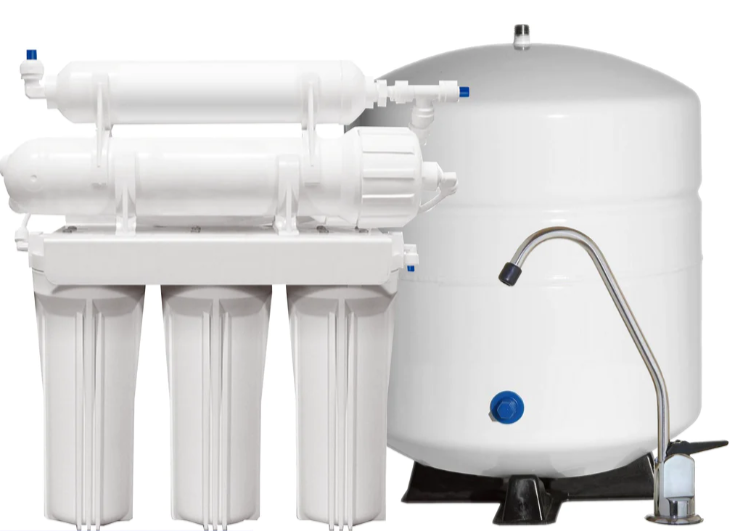
The Benefits and Drawbacks of Osmosis Water: What You Need to Know
Benefits of Osmosis Water
- Removes impurities and pollutants from water
- Provides better-tasting water
- Improves overall health by providing cleaner water
- Enhances the flavor of food and beverages made with osmosis water
- Reduces the risk of waterborne disease
Drawbacks of Osmosis Water
- Requires a lot of energy to operate the filtration system
- Can waste up to 4 gallons of water for every gallon of osmosis water produced
- Removes essential minerals from water, which can be harmful to health in the long run
- Not suitable for all water types, as some impurities may not be effectively removed
- May require regular maintenance and filter replacement
💧 = Use the coupon code SALEG3P800 to save $150 OFF on the 800GPD Tankless RO System with UV Sterilizing Light – Waterdrop G3P800 = 💧
Category – Reverse osmosis and filters