Contents
A Beginner’s Guide to Using a Kettle Stove Safely and Effectively
Are you new to using a kettle stove? Maybe you’re looking for some tips on how to use it safely and effectively. Well, look no further! In this guide, we will provide you with all the information you need.
First and foremost, it is important to understand that a kettle stove uses open flames to heat water. As such, it can be dangerous if not used properly. Always ensure that your kettle stove is placed on a flat and stable surface, away from any flammable materials.
When filling your kettle stove with water, never overfill it. The water level should always be below the spout. Additionally, never leave your kettle unattended while it is heating up. Keep an eye on it at all times to avoid any potential accidents.
To effectively heat up your water, use dry kindling or charcoal. These materials burn hotter and faster than wet wood, which will save you time and energy. Additionally, be sure to stoke the fire regularly to maintain a consistent level of heat.
Lastly, once your water has boiled and you’re ready to pour, use a heat-resistant pot holder to prevent any burns or accidents. It’s better to be safe than sorry!
By following these simple tips, you’ll be well on your way to using your kettle stove safely and effectively. Happy boiling!
What is a Kettle Stove?
A kettle stove, also known as a camping kettle or a hiking kettle, is a portable stove that is designed to boil water quickly and efficiently. It is commonly used by hikers, campers, and outdoor enthusiasts who need a reliable means of heating water in the great outdoors.
Choosing the Right Kettle Stove
When choosing a kettle stove, there are several factors to consider. First and foremost, you want to make sure that the stove is sturdy and durable enough to withstand the wear and tear of outdoor activities. You also want to look for a stove that is lightweight and easy to transport.
Types of Fuel
There are three main types of fuel that can be used with a kettle stove: propane, butane, and iso-butane. Propane and butane are the most common fuels, but iso-butane is becoming increasingly popular due to its high energy output and low environmental impact.
Size and Capacity
The size and capacity of the kettle stove you choose will depend on your specific needs. If you are a solo hiker or camper, a smaller stove with a capacity of 1-2 liters may be sufficient. However, if you are traveling with a group or family, you may need a larger stove with a capacity of 3-4 liters.
Using Your Kettle Stove Safely
Like any camping or outdoor equipment, it is important to use your kettle stove safely to prevent accidents and injuries. Here are some tips to keep in mind:
Choose a Safe Location
When using your kettle stove, make sure to choose a safe location that is away from any flammable materials, such as dry grass or leaves. You also want to make sure that the stove is on a stable and level surface.
Keep Children and Pets Away
Children and pets should be kept away from the stove at all times to prevent accidental burns or fires.
Use the Stove According to manufacturer Instructions
Be sure to read the manufacturer’s instructions carefully and follow all safety guidelines when using your kettle stove.
Using Your Kettle Stove Effectively
Using your kettle stove effectively requires some practice and technique. Here are some tips to help you get the most out of your stove:
Use the Right Amount of Fuel
Using too much or too little fuel can affect the performance of your stove. Start with the recommended amount of fuel and adjust as needed.
Watch the Water
Be mindful of the water level in your kettle to prevent boiling dry. Watch the water as it heats up, and remove the kettle from the stove once it reaches boiling point.
Use a Windshield
A windshield can help to maximize the efficiency of your stove by protecting it from wind and reducing heat loss.
Conclusion
A kettle stove is a versatile and practical piece of outdoor equipment that can be used to boil water for tea, coffee, instant noodles, and more. By choosing the right stove, using it safely and effectively, you can enjoy hot drinks and meals even in the great outdoors.
Reference Links

A Beginner’s Guide to Using a Kettle Stove Safely and Effectively
What is a kettle stove?
A kettle stove is a type of stove that is widely utilized for cooking tasks. It has a round-bottomed kettle that sits on a stove or a heating surface. A fire or heat source is put underneath the kettle to boil water or heat food.
What are the common types of kettle stoves?
There are two common types of kettle stoves: multi-fuel and wood-burning. Multi-fuel stove uses pellets, logs, or coal for fuel, while wood-burning stoves only burn wood.
What are the safety precautions one needs to observe when using a kettle stove?
Safety should always be a top priority when using a kettle stove. Some measures you should observe when using a kettle stove include:
- Ensure that the stove has fireguards or screens that can protect against accidental burns.
- Avoid touching the hot kettle or stove surface without protective gear such as gloves.
- Do not leave the stove unattended. Keep all combustible materials away from the stove and avoid using flammable fluids such as gasoline to help light the fire.
How can beginners use a kettle stove effectively to cook or heat food?
To utilize a kettle stove effectively, consider the following tips:
- If you’re new to the kettle stove, start with a small fire and avoid overloading the kettle with wood or other fuel sources.
- Use dry wood or firestarters to get it started quickly and efficiently.
- Always ensure the kettle is stable and level on the stove before adding wood or other fuel sources.
- When cooking or boiling water, adjust the fuel source as necessary to maintain the desired temperature.
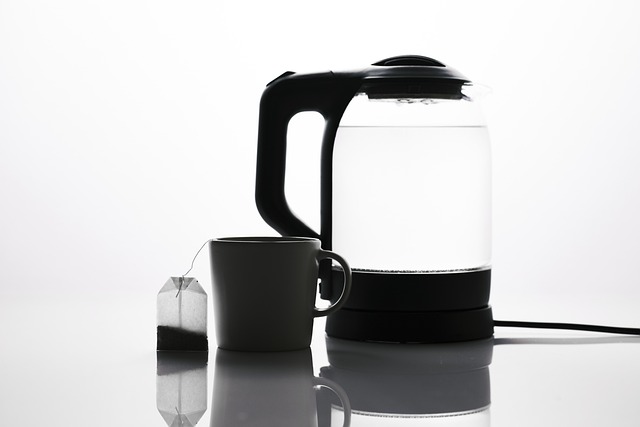
What is a Kettle Stove?
A kettle stove, also known as an electric kettle, is a household appliance used for boiling water. It is a convenient solution for making hot beverages such as tea or coffee, as it heats water quickly and efficiently.
Features of a Kettle Stove
Most kettle stoves come equipped with automatic shut-off features and built-in water level indicators. They are also available in various sizes and designs to match your kitchen decor.
Advantages of Using a Kettle Stove
Compared to traditional stovetop kettles, electric kettles are more energy-efficient, quicker to heat up, and easier to use. They are also safer since they come with automatic shut-off features.
Choosing the Right Kettle Stove
When choosing a kettle stove, consider the capacity, design, and extra features such as temperature control and automatic shut-off. It is also important to choose a brand known for its durability and reliability.
Conclusion
With its convenience, efficiency, and safety features, a kettle stove is a must-have appliance for any household. It is perfect for making hot beverages without the hassle of boiling water on the stovetop.
Learn more about electric kettles on Wikipedia

A Beginner’s Guide to Using a Kettle Stove Safely and Effectively
Overview
- A kettle stove is a simple and cost-effective way to heat your home during colder months.
- However, it is important to use it safely to avoid any potential accidents.
Preparation
- Inspect the stove regularly to ensure that it is in good working condition.
- Clean the stove regularly to remove any soot or debris that may have accumulated.
- Keep a supply of dry, seasoned wood or other appropriate fuel nearby.
Starting the Fire
- Open the damper or air vents to allow air flow and assist with kindling the fire.
- Place kindling in the center of the stove, followed by small pieces of wood.
- Light the kindling with a lighter or matches.
- Add larger pieces of wood as the fire grows and ensure that there is enough space for air circulation.
Using the Kettle
- Fill the kettle with water and place it on the stove.
- Monitor the water level and refill as necessary.
- Do not let the kettle or water boil dry, as this can cause damage to both the kettle and the stove.
Safety Precautions
- Keep children and pets away from the stove at all times.
- Use a fireguard to prevent accidental contact with the stove.
- Have a fire extinguisher nearby in case of an emergency.
- Install a smoke detector and carbon monoxide detector in the room where the stove is located.