Contents
The Environmental Benefits of Using a Kettle Stove
Using a kettle stove instead of an electric or gas stove can have significant environmental benefits. Here are some reasons why:
- Reduced carbon emissions: Kettle stoves use renewable resources such as wood, charcoal, or biomass instead of fossil fuels. This means that they emit fewer carbon emissions, which helps to reduce our carbon footprint.
- Less waste: Traditional electric and gas stoves require a constant supply of energy to operate. This energy is generated from power plants that burn fossil fuels. By using a kettle stove, you can reduce the amount of energy required to cook your food, which results in less waste and pollution.
- Cost-effective: Kettle stoves are a cost-effective way of cooking food as they do not require any electricity or gas. Instead, they rely on renewable resources, which are typically more affordable than traditional fossil fuels.
- Local sourcing: By using a kettle stove, you can source your fuel locally. This helps to support local communities and reduces the need to transport fossil fuels across long distances, which can contribute to greenhouse gas emissions.
If you are looking for a way to reduce your environmental impact, using a kettle stove is a great place to start. Not only is it better for the environment, but it can also save you money and support local communities.
Introduction
The use of energy efficient appliances around the home has become an important focus in modern society due to the environmental impact that our energy usage has on our planet. One area of the home that can have a significant positive impact on the environment is the kitchen. A great example of this is the use of a kettle stove. Not only is it an easy and efficient way to boil water, but it can also make a difference in reducing our carbon footprint. In this post, we will discuss the environmental benefits of using a kettle stove compared to other methods of boiling water.
The Benefits of a Kettle Stove
1. Energy Efficiency
One of the greatest benefits of a kettle stove is its energy efficiency. Unlike boiling water on a stove, the kettle stove has a smaller surface area, which means it requires less energy to heat up the water. Additionally, because it is a closed system, the heat is retained within the kettle, reducing the amount of energy required to keep the water at boiling point.
2. Time Efficiency
Kettle stoves are also time efficient when it comes to boiling water. Within a matter of minutes, the water will be at boiling point, reducing the amount of time it takes to make a cup of tea or coffee compared to a traditional stove top.
3. Versatility
Kettle stoves can be used in a variety of settings, including in the office, at home, or while camping. This versatility means that you can save energy and reduce your carbon footprint even when you’re away from home.
4. Reduced Water Waste
When you heat water on a stove, it is easy to forget about it, which can lead to water waste. With a kettle stove, the water is contained within the kettle, reducing the likelihood of water waste.
Environmental Impact
The environmental impact of using a kettle stove is significant. With greater energy efficiency and reduced water waste, we can reduce our carbon footprint by consuming less energy. The use of a kettle stove can also reduce the need for single-use plastic bottles and packaging that many of us use when we purchase pre-boiled water. Furthermore, some kettle stoves are made from eco-friendly materials, making them the perfect choice for environmentally conscious consumers.
Conclusion
The benefits of using a kettle stove are clear. It is energy efficient, time efficient, versatile, and can reduce water waste. By incorporating a kettle stove into your daily routine, you can reduce your carbon footprint and help protect the environment. With a range of kettle stoves available on the market, you can choose one that fits your needs and your style while making a positive impact on the planet.
References
- Tips to Reduce Your Kitchen Footprint
- Kettle vs Stove Top Energy Efficiency

FAQs – The Environmental Benefits of Using a Kettle Stove
-
What is a kettle stove?
A kettle stove is a cooking stove that utilizes wood or other biomass as fuel to heat water for cooking and other household needs.
-
What are the environmental benefits of using a kettle stove?
There are several environmental benefits of using a kettle stove:
- Reduces reliance on fossil fuels: Kettle stoves use wood or other biomass as fuel, which are renewable resources. This can help reduce reliance on fossil fuels that contribute to climate change.
- Reduces carbon emissions: Since biomass fuels have a neutral carbon footprint, using a kettle stove produces little to no carbon emissions, which helps mitigate climate change.
- Reduces deforestation: Using a kettle stove can help reduce the need for firewood, which can prevent deforestation and habitat destruction.
-
Are there any other benefits of using a kettle stove?
Yes, there are other benefits of using a kettle stove:
- Cost-effective: Since biomass fuels are readily available, using a kettle stove can be more cost-effective than using fossil fuels.
- Energy-efficient: Kettle stoves are designed to optimize the use of fuel and heat, making them highly energy-efficient.
- Can improve health: By reducing indoor air pollution from traditional stoves, using a kettle stove can improve indoor air quality and reduce the risk of respiratory illnesses.
-
Can a kettle stove be used in any setting?
Kettle stoves are most commonly used in rural areas where biomass fuels are abundant. However, they can also be used in urban areas with appropriate ventilation and smoke control measures.
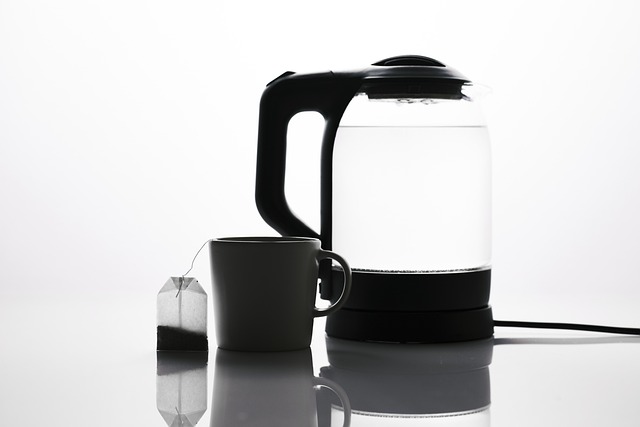
What Makes a Kettle Stove Worth Buying?
If you’re in the market for a new tea kettle or just trying to upgrade your existing kettle stove, you might be wondering what makes a kettle stove worth buying. There are a few key things to consider when shopping for a kettle stove that will help you get the best value for your money and ensure that you’re getting a product that will last you for years to come.
Size
The first thing to consider when buying a kettle stove is the size. Do you need a small kettle that’s perfect for one or two people, or do you need something larger that can accommodate a whole family or group of friends? Think about how much tea or coffee you usually make at once and how often you’ll be using your kettle stove to determine the right size for you.
Material
Next, consider the material of the kettle stove. Stainless steel is a popular choice for its durability and sleek look, but there are also options made of copper, glass, and ceramic. Each material has its own pros and cons, so think about what’s important to you. For example, copper is an excellent conductor of heat, but it can be expensive and requires more maintenance than other materials.
Features
Finally, consider any additional features that you might want in your kettle stove. Some kettles come with a built-in thermometer or temperature control setting, which can be helpful if you’re a stickler for precise brewing. Others come with a whistle or an automatic shut-off feature to prevent overboiling.
In conclusion, when shopping for a kettle stove, it’s important to consider the size, material, and features to make sure you’re getting a product that meets your needs. To learn more about different types of kettles, check out this wikipedia page on kettle stoves.

The Environmental Benefits of Using a Kettle Stove
Reduce Carbon Emissions
- Kettle stoves burn wood or biomass efficiently to reduce harmful carbon emissions.
- They require less fuel to produce the same amount of heat compared to traditional open fires.
- Lower carbon emissions from kettle stoves contribute to fighting climate change.
Cleaner Air Quality
- Kettle stoves emit less smoke and particulate matter, improving local air quality.
- Cleaner air reduces respiratory and heart-related illnesses.
Efficient Fuel Use
- Kettle stoves burn wood or biomass in a controlled manner to maximize energy conversion.
- Efficient fuel use reduces the amount of wood or biomass required, leading to less deforestation and sustainable forest management.
Reduces Dependence on Fossil Fuels
- Kettle stoves provide an alternative to traditional heating methods, such as electricity or fossil fuel-powered heating systems.
- Reduced dependence on fossil fuels leads to less oil and gas usage, contributing to a sustainable future.
-