Contents
Flour in Middle Eastern Cuisine
Flour is a staple ingredient in Middle Eastern cuisine and is used in a variety of dishes. The most commonly used flour is wheat flour, which is used to make bread, pastries, and other baked goods.
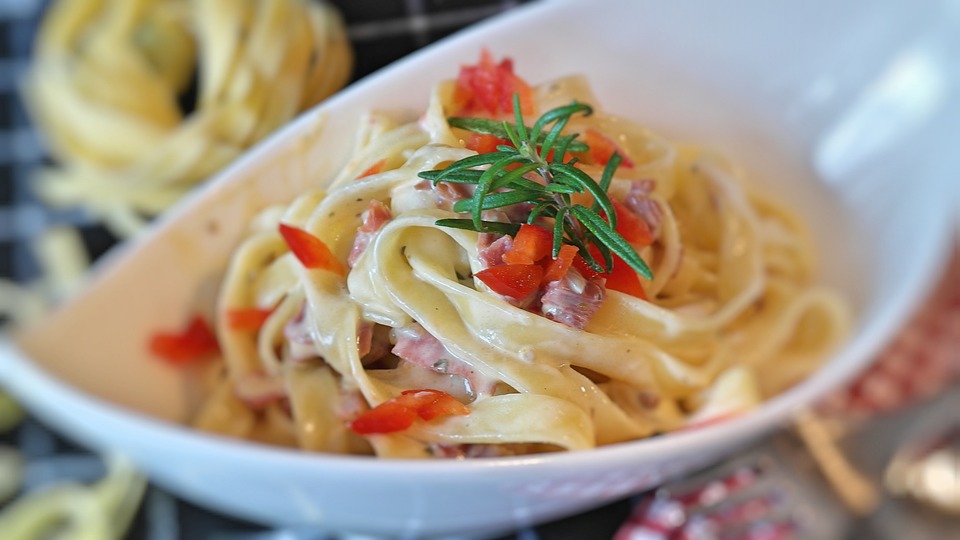
Semolina flour, a type of wheat flour, is also commonly used in Middle Eastern cuisine, particularly in the making of pasta and couscous. Semolina pasta is a popular dish, often served with sauces made from tomatoes, garlic, and olive oil. Couscous, a type of pasta made from semolina flour, is often prepared with vegetables, meat, or fish.
Another common flour used in Middle Eastern cuisine is chickpea flour. Chickpea flour is made from ground chickpeas and is used in dishes such as falafel and hummus. Falafel is a fried ball made of chickpea flour and spices, typically served in a pita or as a side dish. Hummus, a dip made from chickpeas, tahini, and other ingredients, is commonly served with pita bread or vegetables.
Overall, flour plays a significant role in Middle Eastern cuisine and is used in a variety of ways to create delicious and flavorful dishes.
Flour in Middle Eastern Cuisine
Middle Eastern cuisine is rich in flavor and variety. One of the staple ingredients used in Middle Eastern cuisine is flour. The most common types of flour used in Middle Eastern cuisine are wheat flour and chickpea flour. Let’s take a closer look at the use of these two types of flour in Middle Eastern cuisine.
Wheat Flour in Middle Eastern Cuisine
Wheat flour is a versatile ingredient that is used in many Middle Eastern dishes. It is mostly used for making bread, pastries, and pasta. In Middle Eastern countries, bread is a staple food and it is eaten with almost every meal. The bread is usually made fresh daily and is eaten warm. In addition, wheat flour is also used to make delicious pastries such as baklava, burma, and kataifi.
Semolina Flour in Middle Eastern Cuisine
Semolina flour is a coarser type of wheat flour that is used in Middle Eastern cuisine for making pasta and couscous. In many Middle Eastern countries, couscous is a staple food just like rice. Couscous is made by rolling the semolina flour into small pellets and then steaming them. In addition, semolina flour is also used to make delicious pasta dishes such as macaroni and spaghetti.
Chickpea Flour in Middle Eastern Cuisine
Chickpea flour, also known as gram flour, is a type of flour that is made from ground chickpeas. It is widely used in Middle Eastern cuisine for making dishes such as hummus and falafel. Hummus is a popular dip made from chickpeas, tahini, olive oil, lemon juice, and garlic. On the other hand, falafel is a deep-fried ball made from ground chickpeas that is served either on its own or in a pita bread with vegetables and sauces.
Conclusion
Flour is a staple ingredient that is used in many Middle Eastern dishes. Whether it is wheat flour or chickpea flour, it plays an important role in creating the delicious and flavorful cuisine of the region. So, next time you try a Middle Eastern dish, remember the importance of flour in creating it.

Flour in Middle Eastern Cuisine
What types of flour are commonly used in Middle Eastern cuisine?
Wheat flour is a staple in Middle Eastern cuisine, with all-purpose flour being the most commonly used. Other types of wheat flour include whole wheat flour, pastry flour, and semolina flour. Chickpea flour (also known as garbanzo bean flour) is often used in dishes like falafel and hummus.
How is semolina flour used in Middle Eastern cuisine?
Semolina flour is commonly used in pasta dishes like macaroni, spaghetti, and lasagna. In Middle Eastern cuisine, it is also used to make couscous, a traditional North African dish made from small steamed balls of semolina flour.
What is falafel and how is chickpea flour used in it?
Falafel is a popular Middle Eastern dish made from chickpeas or fava beans. The chickpeas are ground up and mixed with spices, herbs, and chickpea flour to form a dough. The dough is then shaped into small balls or patties and fried until crisp on the outside and tender on the inside.
How is chickpea flour used in hummus?
Chickpea flour is not usually used in hummus itself, but is instead used as a thickener in recipes that call for hummus as an ingredient. Chickpea flour is combined with water, then cooked and stirred until it thickens and becomes a paste. This paste is then added to other ingredients like tahini and lemon juice to make the traditional Middle Eastern dip.

The Importance of Flour in Middle Eastern Cuisine
Flour is a staple ingredient in Middle Eastern cuisine, used in a variety of dishes such as bread, pasta, couscous, falafel, and hummus. Wheat flour is the most commonly used type of flour in the region, but other types such as semolina and chickpea flour are also widely used.
Use of Wheat Flour
Wheat flour is used extensively in Middle Eastern cuisine, particularly for bread-making. Pita bread, for instance, is a popular and widely consumed flatbread that is made from wheat flour. Wheat flour is also used for making pastries, such as baklava, and for thickening sauces and stews.
Use of Semolina Flour
Semolina flour is a coarsely ground flour that is commonly used for making pasta, such as the traditional Middle Eastern dish known as manti. Couscous, which is a staple in the region, is also made from semolina flour that is mixed with water to form small pellets that are steamed.
Use of Chickpea Flour
Chickpea flour, also known as gram flour, is a gluten-free flour made from ground chickpeas. It is a common ingredient in Middle Eastern cuisine and is used for making falafel and hummus. Falafel is a deep-fried ball or patty that is made by mixing chickpea flour with spices, garlic, and onions. Hummus, on the other hand, is a dip or spread that is made from chickpea flour, tahini, lemon juice, and garlic.
For more information on Middle Eastern cuisine, please visit Wikipedia.
For delicious Middle Eastern recipes using different types of flour, visit Special Magic Kitchen.
Flour in Middle Eastern Cuisine
– Wheat flour is a staple in Middle Eastern cuisine, used in various types of bread, pastries, and desserts.
– Semolina flour, made from durum wheat, is commonly used in pasta and couscous dishes.
– Chickpea flour, also known as gram flour, is used in popular dishes such as falafel and hummus.
– Other types of flour used in Middle Eastern cuisine include rice flour, barley flour, and spelt flour.
– Flatbreads like pita and lavash are often made with a combination of wheat and other flours.
– Sweets like baklava and kunafa are made with layers of phyllo dough, a pastry made from wheat flour.
– The different types of flours and their uses play a significant role in Middle Eastern cuisine and contribute to its diverse and rich flavors.