Contents
From Flakes to Fines: How to Use Your Parmesan Cheese Grater for All Your Recipes
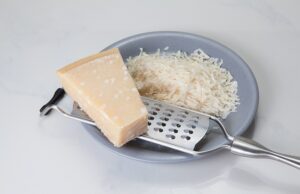
If you’re a cheese lover, chances are you have a trusty Parmesan cheese grater in your kitchen. But did you know that this versatile tool can do more than just grate Parmesan cheese? With the right technique, you can use your Parmesan cheese grater to produce a range of textures, from fluffy snow to fine dust, perfect for enhancing the flavor of any dish.
One of the easiest and most common uses for a Parmesan cheese grater is to make flakes of hard cheese, such as Parmesan or Pecorino Romano, to top pasta dishes or salads. Simply hold the cheese over a plate or bowl and run it along the coarse grater side of the tool. You’ll get beautiful, paper-thin shavings that will add a salty, nutty taste to your recipes.
If you want a finer texture, try using the medium grater side of the Parmesan cheese grater. This is especially great for grating hard cheeses that you want to melt into a sauce, like cheddar or Swiss. And for a softer, more delicate texture, use the fine grater side to create a fluffy pile of cheese that’s perfect for garnishing soups or omelets.
But the Parmesan cheese grater isn’t just for cheese. You can use it to grate other ingredients as well, like fresh ginger or garlic. This is a great way to add intense flavor to your marinades, dressings, or stir-fries without having to chop the ingredients by hand.
So next time you pick up your Parmesan cheese grater, think beyond the cheese. With a little technique and creativity, you can use this simple tool to elevate the flavor and texture of all your favorite dishes.
From Flakes to Fines: How to Use Your Parmesan Cheese Grater for All Your Recipes
Whether you’re making a classic spaghetti bolognese or a modern cauliflower risotto, a sprinkle of parmesan cheese can take your dish to the next level. But how do you get that perfect grated texture? Here’s how to use your parmesan cheese grater for all your recipes.
Types of Parmesan Cheese Graters
There are several types of parmesan cheese graters on the market. Here are the most common:
Each type has its pros and cons, but they all achieve the same goal: grating parmesan cheese. Experiment with a few different types to find the one that works best for you.
Fresh vs. Pre-Shredded Parmesan Cheese
Some people swear by using fresh parmesan cheese, while others opt for the pre-shredded version. There are benefits to both:
- Fresh parmesan cheese: Has a more intense flavor and a creamier texture. It can be more expensive and may not be as convenient to use.
- Pre-shredded parmesan cheese: Is more affordable and easier to use. However, it may have added anti-caking agents and may not have the same quality as fresh cheese.
No matter which type you choose, make sure it is high-quality parmesan cheese for the best flavor.
How to Use Your Parmesan Cheese Grater
Now that you have your parmesan cheese grater and cheese, it’s time to get grating! Here are the steps:
- Choose the side of the grater that will give you the desired texture. If you’re unsure, start with the fine side.
- Hold the cheese at a diagonal angle against the grater and apply pressure while moving it up and down. Be careful not to grate your fingers.
- Once you have enough cheese, tap the grater against a hard surface to release any cheese that may be stuck.
- Repeat as necessary.
Pro tip: For easier grating, refrigerate your parmesan cheese for a few minutes before using it.
Recipes to Use Your Grated Parmesan Cheese In
Now that you know how to use your parmesan cheese grater, here are some recipes to try:
Grate away, and enjoy your delicious parmesan cheese!

From Flakes to Fines: How to Use Your Parmesan Cheese Grater for All Your Recipes – FAQs
What types of dishes can I use Parmesan cheese in?
You can use Parmesan cheese in a wide variety of dishes! Some popular options include pasta dishes, salads, soups, and risottos.
What types of Parmesan cheese work best for grating?
Harder, aged Parmesan cheeses tend to work best for grating, as they produce a finer texture. Look for Parmesan cheese that has been aged for at least 18 months.
How do I properly use a Parmesan cheese grater?
First, make sure your cheese is at room temperature for easier grating. Next, hold the grater securely with one hand and hold the cheese with the other. Rub the cheese against the grater using a downward motion, applying slight pressure. Be careful not to grate your fingers!
What do I do if my Parmesan cheese gets stuck in the grater?
If your cheese gets stuck in the grater, try tapping the grater gently on a hard surface to loosen it. If that doesn’t work, use a toothpick or small brush to gently remove any cheese that is stuck.
Can I use my Parmesan cheese grater for other types of cheese?
Yes, you can! Parmesan cheese graters are typically designed to work well with a variety of hard cheeses, including pecorino romano and asiago. Just be sure to clean your grater between uses to avoid any cross-contamination.

What is a Parm Cheese Grater?
Parmesan cheese, also known as Parmigiano-Reggiano cheese, is one of the most commonly used types of cheese in Italian cuisine. Parm cheese grater is a kitchen tool specifically designed for grating Parmesan cheese.
Types of Parm Cheese Graters
There are various types of Parm cheese graters available in the market. Some of the popular types include:
- Box grater
- Flat grater
- Rotary grater
How to Use a Parm Cheese Grater?
Using a Parm cheese grater is easy and straightforward. You just need to follow these simple steps:
- Cut the Parmesan cheese into small pieces.
- Hold the grater and the cheese firmly in your hands.
- Place the cheese on the grater blade and rub it up and down.
- Collect the grated cheese in a bowl or plate.
The Importance of Using a Parm Cheese Grater
Using a Parm cheese grater has several advantages. Firstly, it allows you to finely grate the Parmesan cheese, which is important for achieving the perfect texture and flavor. Secondly, it can save you time and effort compared to manually grating the cheese. Finally, using a Parm cheese grater can add an element of authenticity in your cooking, especially if you’re preparing traditional Italian dishes.
Conclusion
Now that you know the importance of using a Parm cheese grater, it’s time to get one for your kitchen. Whether you prefer a box grater, a flat grater, or a rotary grater, make sure to buy one that suits your preferences and needs.
For more information about Parmesan cheese and its various uses, please visit https://en.wikipedia.org/wiki/Parmigiano-Reggiano.

From Flakes to Fines: How to Use Your Parmesan Cheese Grater for All Your Recipes
Introduction
- Utilizing your Parmesan cheese grater for more than just Parmesan cheese
- Tips and tricks for achieving different textures of cheese
Grating Cheese for Cooking
- The importance of freshly grated cheese
- Grating for specific recipes (e.g. pasta, salad, pizza)
- Mixing different cheeses for optimal flavor
Non-Cheese Uses for Your Parmesan Cheese Grater
- Grating vegetables (e.g. carrots, zucchini, ginger)
- Grating chocolate for desserts
- Create homemade breadcrumbs
Cleaning and Maintenance
- Proper cleaning techniques to avoid rust and bacteria
- How to maintain the sharpness of the grater blades
Conclusion
- Don’t limit yourself to just traditional uses for your cheese grater
- Experiment with different textures and types of foods
- Take care of your grater to ensure its longevity and effectiveness