Contents
Say Goodbye to Rust: Easy Steps to Prevent Stainless Steel Kettle from Rusting
Are you tired of dealing with rusty stains and unpleasant odors in your stainless steel kettle? Fear not! With a few simple steps, you can prevent rust from forming and keep your kettle looking and smelling fresh.
Stainless steel kettles are a popular choice for their durability and sleek design. However, they are not completely immune to rust. Rust can occur when the protective layer on the surface of the stainless steel is compromised, often due to exposure to moisture or certain types of water.
But fret not! By following our easy steps, you can protect your stainless steel kettle and extend its lifespan:
- Regular Cleaning: Clean your kettle thoroughly after each use, removing any residues or deposits that can lead to rust formation.
- Dry Thoroughly: After cleaning, make sure to dry your kettle completely to prevent any moisture from lingering on its surface. Use a clean towel or air dry it upside down.
- Keep It Dry: Store your kettle in a dry location, away from any potential water sources. Avoid leaving it wet or damp for extended periods.
- Use Filtered Water: If possible, use filtered or distilled water instead of tap water, as it can contain minerals that contribute to rust formation.
- Avoid Harsh Cleaning Agents: Be mindful of the cleaning products you use. Avoid abrasive or acidic cleaners that can damage the protective layer of your kettle.
By following these simple steps, you can say goodbye to rust and enjoy a clean, rust-free stainless steel kettle for years to come!
Say Goodbye to Rust: Easy Steps to Prevent Stainless Steel Kettle from Rusting
Why Does Stainless Steel Kettle Rust?
Stainless steel is known for its durability and resistance to rust, but it isn’t completely immune. Rust can occur on stainless steel kettles due to various factors such as exposure to water with high mineral content, the presence of chlorine or other corrosive substances, and improper cleaning and maintenance routines. However, with a few simple steps, you can keep your stainless steel kettle rust-free and prolong its lifespan.
Step 1: Regular Cleaning
The first and most crucial step in preventing rust is to clean your stainless steel kettle regularly. After each use, rinse the kettle with warm water and mild dish soap. Avoid using abrasive scrubbers or harsh chemicals as they can damage the protective layer of the stainless steel. After cleaning, make sure to thoroughly dry the kettle to prevent any moisture buildup.
Step 2: Remove Mineral Deposits
Over time, mineral deposits can accumulate on the surface of your kettle, leading to rust formation. To remove these deposits, fill the kettle with a mixture of equal parts water and distilled white vinegar. Let the solution sit for about an hour, then boil it. After boiling, discard the solution, rinse the kettle well, and dry it thoroughly.
Step 3: Avoid Excessive Heat
Subjecting your stainless steel kettle to excessive heat can also contribute to rusting. Avoid boiling the kettle on high heat for extended periods as it can weaken the material and make it more susceptible to corrosion. Instead, use medium heat settings and monitor the boiling process.
Step 4: Use Filtered Water
Water with a high mineral content, such as hard water, can accelerate rust formation on your kettle. Using filtered or distilled water can help reduce mineral buildup and prolong the life of your kettle. Investing in a water filter pitcher or using filtered water from your refrigerator can make a significant difference.
Step 5: Store Properly
When not in use, store your stainless steel kettle in a dry environment. Moisture, especially in a humid atmosphere, can promote rust formation. If possible, leave the kettle’s lid slightly open to allow air circulation and prevent any trapped moisture.
Conclusion
By following these easy steps, you can keep your stainless steel kettle rust-free and in excellent condition for years to come. Regular cleaning, removing mineral deposits, avoiding excessive heat, using filtered water, and proper storage are all essential for maintaining the longevity of your kettle. Remember, a little care goes a long way in preventing rust and enjoying a good cup of tea or coffee!
Relevant Links:
- The Spruce Eats: How to Remove Rust from a Teakettle
- WikiHow: How to Clean a Stainless Steel Tea Kettle
- Food Network: How to Clean a Teakettle

Say Goodbye to Rust: Easy Steps to Prevent Stainless Steel Kettle from Rusting
Q: Why does a stainless steel kettle rust?
A: Despite its name, stainless steel can still rust if not properly maintained. Exposure to moisture, minerals in water, and other factors can lead to rust formation on the surface of the stainless steel kettle.
Q: How can I prevent my stainless steel kettle from rusting?
A: Follow these easy steps to prevent your stainless steel kettle from rusting:
Q: Step 1 – Regularly clean and dry your kettle
A: After every use, rinse your kettle with warm water and mild dish soap. Make sure to remove any residue or buildup that may facilitate rust formation. After cleaning, thoroughly dry the kettle to prevent moisture buildup.
Q: Step 2 – Avoid using abrasive cleaning products
A: When cleaning your stainless steel kettle, avoid using abrasive cleaners or scouring pads. These can scratch the surface of the kettle, making it more susceptible to rust. Opt for softer cleaning materials, such as a soft sponge or cloth.
Q: Step 3 – Descale your kettle regularly
A: Depending on the mineral content of your water, scale buildup may occur inside your kettle. Use a descaling solution specifically designed for stainless steel kettles to remove any scale deposits. This will not only improve the kettle’s performance but also prevent rust due to the trapped moisture.
Q: Step 4 – Store your kettle properly
A: When not in use, make sure your kettle is completely dry before storing it. Store it in a dry, well-ventilated area to minimize the chances of rust formation. Avoid storing the kettle with its lid tightly closed, as this can trap moisture inside.
Q: Step 5 – Consider using a water filter
A: If your water has a high mineral content, using a water filter can help reduce the minerals that can contribute to rust formation. This will not only benefit your kettle but also improve the taste of your hot beverages.
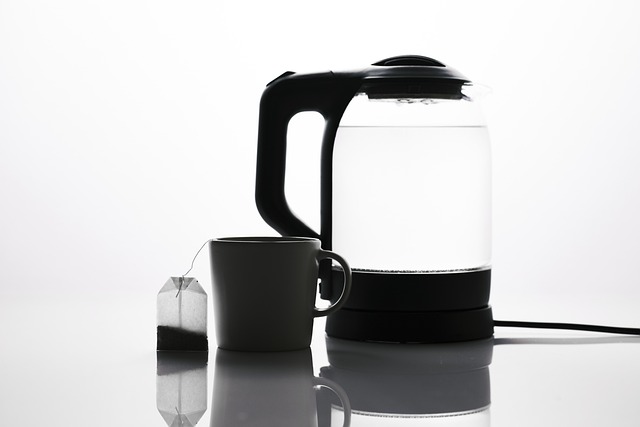
How to Prevent Stainless Steel Kettle from Rusting?
1. Proper Cleaning and Drying
The first step in preventing rust on your stainless steel kettle is to ensure proper cleaning and drying after each use. Carefully wash the kettle with warm water and mild detergent, using a soft sponge or cloth to avoid scratching the stainless steel surface. Rinse it thoroughly and dry it completely to remove any moisture that may lead to rust formation.
2. Avoid Using Abrasive Cleaners
While cleaning your stainless steel kettle, make sure to steer clear of harsh or abrasive cleaners. These can cause scratches and damage the protective layer of the stainless steel, making it more susceptible to rusting. Stick to mild, non-abrasive cleaning agents to maintain the kettle’s integrity.
3. Regular Descaling
Descaling your stainless steel kettle on a regular basis helps in removing mineral build-up, such as limescale, which can contribute to rust formation. Follow the manufacturer’s instructions to descale the kettle properly. Using a mixture of vinegar and water can also be an effective natural descaling solution.
4. Store Kettle in a Dry Place
After cleaning and drying, it is essential to store your stainless steel kettle in a dry location. Moisture and humidity can accelerate the rusting process. Find a cool, dry spot away from any potential water sources to ensure the kettle remains rust-free.
5. Appropriate Use of Water
Using distilled or filtered water can help prevent the build-up of minerals and other impurities that contribute to rust formation. Such water minimizes the chance of deposits accumulating on the kettle’s surface, allowing it to remain stain and rust-free for longer periods.
By following these simple steps, you can effectively prevent your stainless steel kettle from rusting, ensuring its durability and extending its lifespan.
For more information on stainless steel and its properties, you can visit the relevant Wikipedia page.

Say Goodbye to Rust: Easy Steps to Prevent Stainless Steel Kettle from Rusting
Introduction:
- Understanding the importance of preventing rust in your stainless steel kettle
Step 1: Proper cleaning:
- Use mild detergent and warm water to clean your kettle after each use
- Avoid using abrasive cleaning products or scouring pads
Step 2: Thorough drying:
- Ensure the kettle is completely dry before storing it
- Use a soft cloth or paper towel to dry both the interior and exterior
Step 3: Avoiding moisture:
- Avoid leaving water or other liquids in the kettle for extended periods
- Store your kettle in a dry and well-ventilated area
Step 4: Regular maintenance:
- Inspect your kettle for any signs of rust or damage
- Apply a stainless steel cleaner or polish as needed
Conclusion:
- By following these easy steps, you can keep your stainless steel kettle rust-free and prolong its lifespan