Contents
Stainless Steel Kettles: Unveiling the Hidden Rusting Phenomenon
Stainless steel kettles have long been favored by individuals seeking a durable and sleek option for boiling water. Renowned for their resistance to rust and corrosion, these kettles have become a popular choice for both households and professional settings.
However, there is a hidden rusting phenomenon associated with stainless steel kettles that many consumers are unaware of. Despite their name, stainless steel kettles are not entirely impervious to rust. This surprising discovery has raised concerns among users who expect their stainless steel appliances to maintain their pristine appearance indefinitely.
The rusting phenomenon in stainless steel kettles occurs due to the presence of impurities or contaminants in the water used during boiling. These impurities can include minerals, salts, or even tiny particles present in the water supply. When the kettle heats and evaporates the water, these impurities can get deposited on the surface of the kettle, leading to potential rust formation.
To prevent or minimize the rusting phenomenon, several precautions can be taken. Regular cleaning and maintenance of the stainless steel kettle is paramount, as it helps remove any potential deposits that could contribute to rusting. Additionally, using filtered or distilled water in the kettle can significantly reduce the presence of impurities, thus lowering the chances of rusting.
It is important for individuals relying on stainless steel kettles to be aware of this hidden rusting phenomenon and take the necessary steps to maintain the longevity and appearance of their appliance. By understanding the underlying factors that contribute to rust formation, users can ensure their stainless steel kettle remains a reliable and aesthetically pleasing addition to their kitchen.
Stainless Steel Kettles: Unveiling the Hidden Rusting Phenomenon
What is Stainless Steel?
Stainless steel is an alloy composed mainly of iron, with a minimum of 10.5% chromium content by mass. The addition of chromium provides the steel with its unique corrosion-resistant properties.
Stainless Steel Kettles and Rusting
Although stainless steel is known for its resistance to corrosion, stainless steel kettles may sometimes exhibit rusting. This can be baffling for many, as stainless steel is often believed to be immune to such issues. However, there are various factors that can contribute to the hidden rusting phenomenon in these kettles.
Common Causes of Rusting
1. Poor Quality Stainless Steel: Some manufacturers may use low-quality stainless steel that may not have the necessary chromium content, making the kettle susceptible to rust.
2. Improper Cleaning and Maintenance: If stainless steel kettles are not cleaned and dried correctly after each use, water deposits or residual chemicals can lead to rust formation.
3. Chloride Exposure: Continuous exposure to high chloride environments, such as areas with salty water or strong cleaning agents, can damage the protective layer of stainless steel, causing rusting to occur.
4. Scratches and Physical Damage: Even stainless steel can sustain scratches and physical damage. These imperfections can compromise its corrosion resistance, allowing rust to develop over time.
Prevention and Maintenance Tips
1. Choose High-Quality Stainless Steel Kettles: Ensure that the kettle is made from reputable manufacturers using high-quality stainless steel with the appropriate chromium content.
2. Proper Cleaning and Drying: Clean the kettle after each use and make sure to thoroughly dry it to avoid any water or chemical residue that can contribute to rust formation.
3. Avoid Harsh Cleaning Agents: Use mild detergents and avoid abrasive or harsh cleaning agents that can damage the stainless steel surface.
4. Regular Inspection: Check the kettle regularly for any scratches or physical damage. If any are found, address them promptly to prevent rust formation.
Conclusion
Stainless steel kettles, despite their corrosion-resistant properties, can still rust under certain circumstances. Understanding the causes of rusting and following proper maintenance practices can help mitigate this issue and ensure the longevity of your stainless steel kettle.
Additional Resources
Explore more about stainless steel and its properties on AZoM.com.

FAQs: Stainless Steel Kettles
The hidden rusting phenomenon in stainless steel kettles refers to the occurrence of rust on the surface of stainless steel, which is typically resistant to corrosion. While stainless steel is generally known for its corrosion resistance, certain factors can still lead to the formation of rust.
What causes rusting in stainless steel kettles?
Various factors can contribute to rusting in stainless steel kettles, including:
- Exposure to moisture or water for extended periods
- High levels of chlorine in water
- Hard water containing minerals like iron
- Use of abrasive cleaning agents
- Scratches or damages on the stainless steel surface
How can I prevent rusting in my stainless steel kettle?
To prevent rusting in your stainless steel kettle, you can:
- Avoid prolonged exposure to moisture by thoroughly drying the kettle after each use
- Use filtered or distilled water with low chlorine content
- Regularly clean the kettle using mild, non-abrasive cleaning agents
- Avoid using metal utensils or abrasive sponges that can scratch the stainless steel surface
Can I remove rust from my stainless steel kettle?
Yes, you can remove rust from your stainless steel kettle by following these steps:
- Mix a solution of equal parts water and vinegar
- Apply the solution to the rusted areas of the kettle
- Scrub gently with a soft cloth or sponge
- Rinse the kettle thoroughly and dry it completely
Is rust in stainless steel kettles harmful to health?
In general, rust in stainless steel kettles is not harmful to health. However, it is recommended to remove any rusted areas and maintain the kettle properly to ensure its longevity and optimal performance.
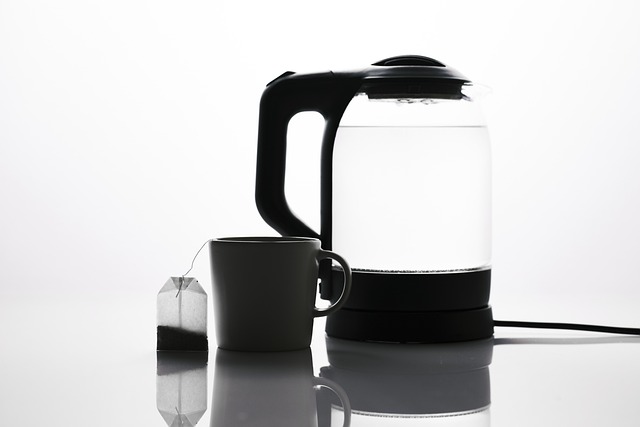
Can stainless steel kettle rust?
Why stainless steel kettles are rust-resistant
Stainless steel kettles are widely known for their durability and resistance to rust. The key to their rust resistance lies in the composition of stainless steel, which is primarily made up of iron, chromium, and nickel. The addition of chromium forms a protective layer on the surface of the steel, preventing oxidation and corrosion.
Factors that can cause stainless steel kettles to rust
While stainless steel kettles are generally rust-resistant, certain factors can still lead to rust formation:
- High chlorine levels in water: Exposure to water with high chlorine content, such as tap water in some regions, can breakdown the protective layer on stainless steel and eventually lead to rusting.
- Harsh cleaning chemicals: Using abrasive cleaning agents or steel wool can scratch the surface of the kettle, which weakens the protective layer and makes it more susceptible to rust.
- Damage to the kettle’s surface: Scratches, dents, or other physical damage to the stainless steel kettle can compromise its rust-resistance ability and provide opportunities for rust to develop.
Prevention and maintenance tips
To ensure the longevity of your stainless steel kettle, here are a few preventive measures and maintenance tips you can follow:
- Use filtered water: If your tap water has high chlorine content, consider using filtered water instead. This can minimize the chances of rust formation.
- Gentle cleaning: Avoid using harsh chemicals or abrasive cleaning tools. Stick to mild dishwashing soap and a soft sponge for regular cleaning.
- Inspect for damage: Regularly check the kettle’s surface for any scratches or dents. If you notice any, consider replacing the kettle to maintain its rust resistance.
For more information about stainless steel and its properties, you can visit the Wikipedia page on stainless steel.

Summary
- Introduction to stainless steel kettles
- Explanation of the hidden rusting phenomenon
- Factors contributing to rusting in stainless steel kettles
- Impact of rust on health and taste of boiled water
- Preventive measures to avoid rusting in stainless steel kettles
- Conclusion on the need to be cautious with stainless steel kettles
Introduction
Stainless steel kettles are widely used for boiling water due to their durability and sleek design.
Hidden Rusting Phenomenon
Despite being labeled as “stainless,” stainless steel kettles can rust over time due to various factors.
Factors Contributing to Rusting
Exposure to high levels of minerals, inadequate cleaning, and poor quality stainless steel can all contribute to rust formation.
Impact on Health and Taste
Rust in stainless steel kettles can negatively affect the quality of boiled water, potentially impacting both health and taste.
Preventive Measures
Regular cleaning, using filtered water, avoiding prolonged exposure to moisture, and choosing high-quality stainless steel can help prevent rusting in kettles.
Conclusion
It is crucial to be aware of the hidden rusting phenomenon in stainless steel kettles and take necessary precautions to maintain their functionality and safety.