High Intensity Propane Cooking Searing Torch in SALE
Contents
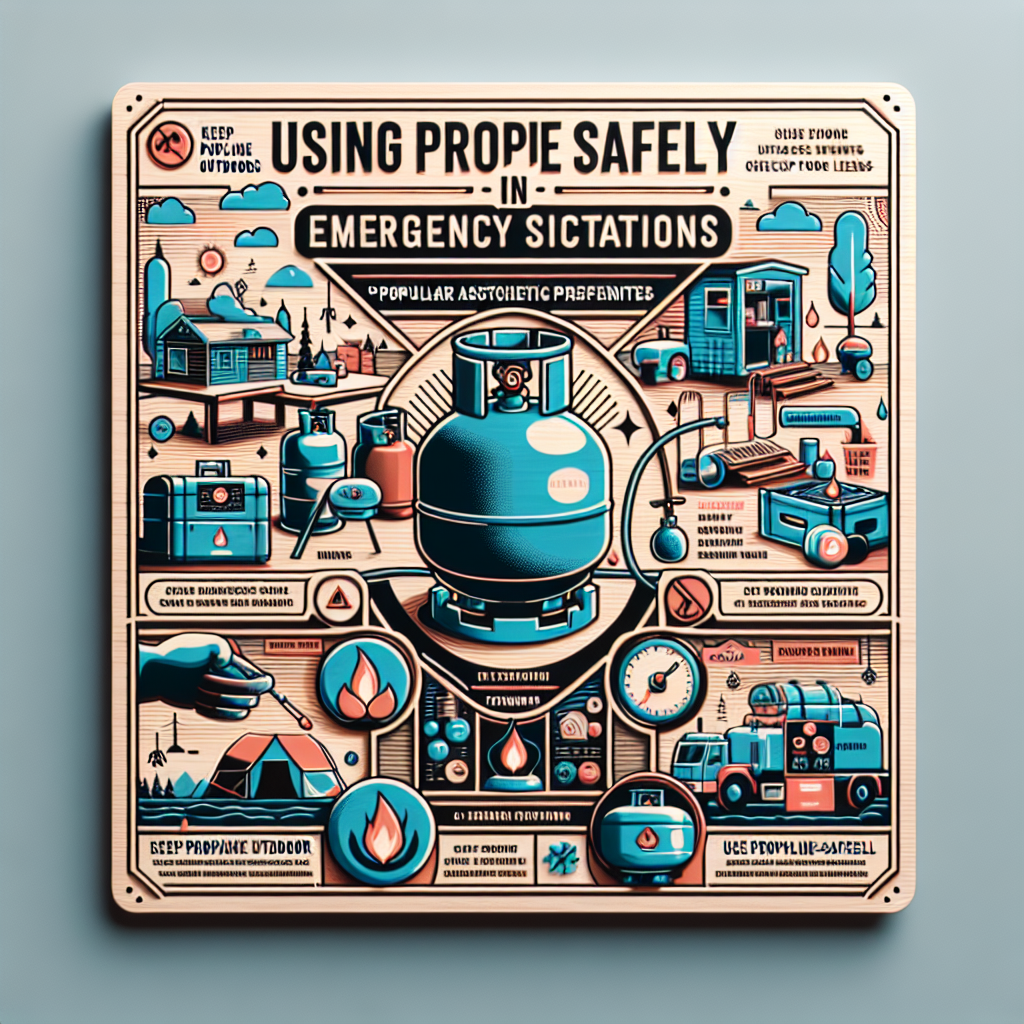
Using Propane Safely in Emergency Situations
Propane is a versatile and convenient fuel source commonly used for heating, cooking, and powering appliances in homes and businesses. However, it is important to handle and store propane safely, especially during emergency situations such as power outages or natural disasters.
Here are some tips for using propane safely in emergency situations:
- Always keep propane tanks outdoors in a well-ventilated area.
- Do not store propane tanks in enclosed spaces such as basements, garages, or sheds.
- Ensure that all propane appliances are properly maintained and in good working condition.
- Have a supply of propane on hand in case of emergencies, but do not overfill tanks.
- Never use propane indoors or in confined spaces, as it can be a fire and explosion hazard.
By following these safety guidelines, you can use propane safely and effectively during emergency situations to keep your home warm and your appliances running smoothly.
Using Propane Safely in Emergency Situations
Propane is a versatile and widely used fuel source that can be extremely helpful in emergency situations. However, it is important to use propane safely to prevent accidents or injuries. Here are some tips for using propane safely in emergency situations:
1. Proper Storage
Store propane tanks in a safe, well-ventilated area away from heat sources and open flames. Make sure they are securely upright and in a stable position.
2. Check for Leaks
Before using propane, always check for leaks using a soap and water solution or a propane leak detector. If you detect a leak, do not use the propane and contact a professional immediately.
3. Ventilation
Propane produces carbon monoxide when burned, so it is important to use it in a well-ventilated area to prevent carbon monoxide poisoning. Never use propane indoors or in enclosed spaces.
4. Proper Use of Appliances
Always follow the manufacturer’s instructions when using propane-powered appliances. Do not attempt to modify or repair the appliances yourself. If you suspect an issue, contact a professional.
5. Fire Safety
Keep propane tanks away from fire or heat sources. In case of a fire, evacuate the area immediately and contact emergency services. Do not attempt to extinguish a propane fire yourself.
6. Emergency Preparedness
Have a plan in place for using propane in emergency situations, including how to safely shut off the supply if needed. Keep a supply of extra propane tanks on hand in case of prolonged emergencies.
By following these safety tips, you can use propane safely in emergency situations and prevent accidents or injuries. For more information on propane safety, visit www.propanesafety.com.

Understanding Propane and Its Uses
Propane is a versatile fuel that is commonly used for heating, cooking, and powering appliances in homes and businesses. It is a flammable gas that is stored in liquid form under pressure, making it easy to transport and use. However, it is important to use propane safely, especially in emergency situations.
Safe Handling of Propane Tanks
When using propane in emergency situations, it is important to handle propane tanks with care. Make sure that the tank is securely connected and in good condition. Do not expose propane tanks to excessive heat or flame, as this can cause them to rupture or explode. Always store propane tanks in a well-ventilated area away from sources of ignition.
Proper Ventilation
When using propane indoors, make sure that there is adequate ventilation to prevent the buildup of carbon monoxide. Carbon monoxide is a colorless, odorless gas that can be deadly if inhaled in high concentrations. Use propane appliances in well-ventilated areas and install carbon monoxide detectors in your home or business.
Emergency Shutdown Procedures
In the event of a propane leak or fire, it is important to know how to safely shut off the gas supply. Familiarize yourself with the emergency shutdown procedures for your propane appliances and tanks. If you suspect a leak, evacuate the area immediately and contact emergency services.
For more information about propane safety, visit Propane on Wikipedia.

High Intensity Propane Cooking Searing Torch in SALE
Frequently Asked Questions about Using Propane Safely in Emergency Situations
Q: Can I use propane indoors during a power outage?
A: It is not safe to use propane indoors, as it can lead to carbon monoxide poisoning. Only use propane outdoors in a well-ventilated area.
Q: What should I do if I smell gas when using propane?
A: If you smell gas when using propane, turn off the supply valve immediately, open windows and doors to ventilate the area, and leave the area. Do not light any matches or use any electrical devices until the gas has dissipated.
Q: How do I safely store propane tanks in an emergency situation?
A: Store propane tanks in an upright position in a well-ventilated area away from heat sources and ignition points. Keep them outdoors and away from combustible materials.
Q: What should I do if a propane tank catches fire?
A: If a propane tank catches fire, evacuate the area immediately and call emergency services. Do not attempt to extinguish the fire yourself.

Propane Safety Tips in Emergency Situations
- Always keep propane tanks and equipment stored in a well-ventilated area away from flames and heat sources.
- Do not use propane indoors or in enclosed spaces as it can lead to carbon monoxide poisoning.
- Have a designated person in charge of shutting off the propane supply in case of an emergency.
- Regularly inspect propane tanks and connections for leaks or damage.
- Keep propane tanks upright at all times and never store them horizontally.
- Have a proper evacuation plan in place in case of a propane leak or fire.

High Intensity Propane Cooking Searing Torch in SALE
Video:
Category – Propane tank equipment