





Contents
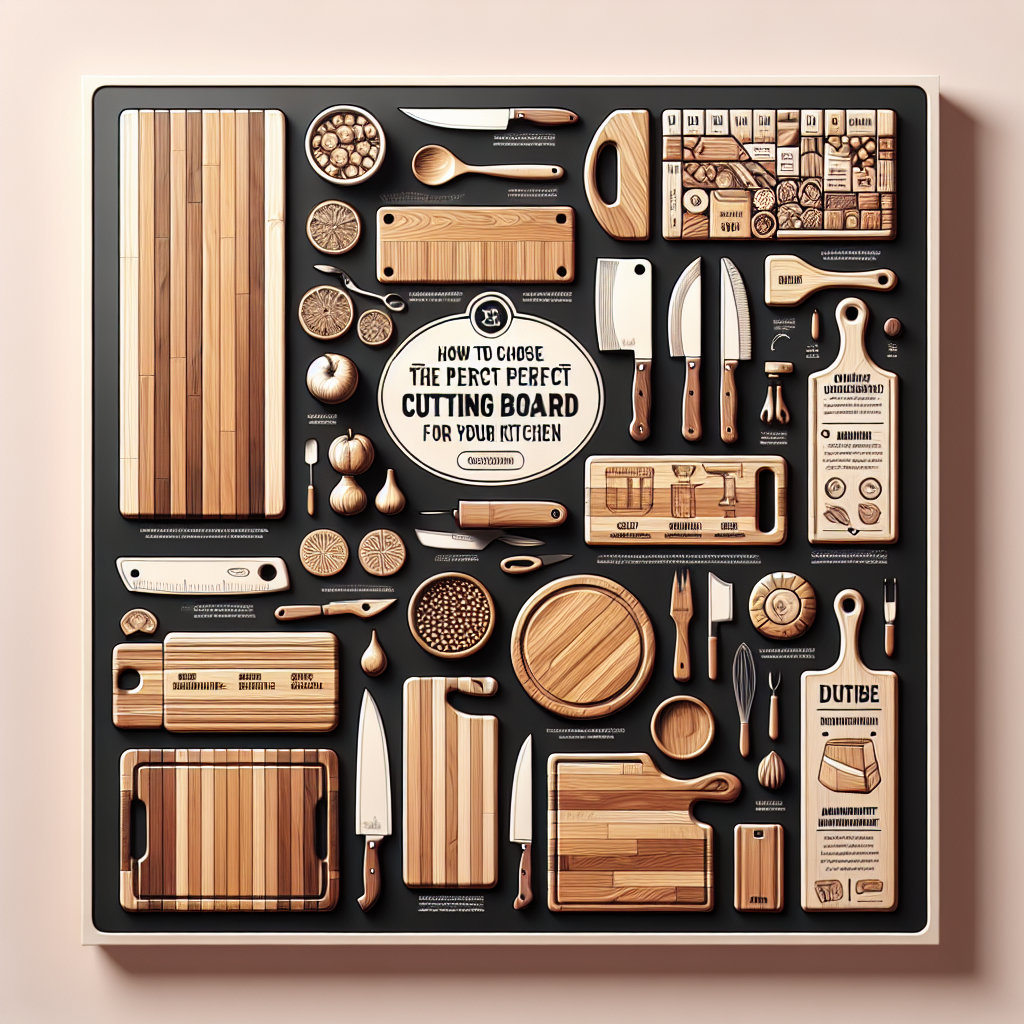
How to Choose the Perfect Cutting Board for Your Kitchen
Choosing the right cutting board for your kitchen can make a big difference in your food preparation process. From wood to plastic to bamboo, there are many options to consider when selecting the perfect cutting board for your needs. Here are some factors to keep in mind when making your decision:
Material
Wood cutting boards are durable and gentle on your knives, making them a popular choice among home cooks. Plastic cutting boards are lightweight, dishwasher safe, and easy to clean. Bamboo cutting boards are environmentally friendly and known for their antimicrobial properties.
Size
The size of your cutting board should be determined by the size of your kitchen and your typical food preparation needs. A larger cutting board provides more surface area for chopping and slicing, while a smaller cutting board may be more convenient for smaller kitchens or quick tasks.
Maintenance
Consider how easy it is to clean and maintain your cutting board. Some materials are more resistant to stains and odors, while others may require more frequent cleaning or special care instructions.
Usage
Think about how you will be using your cutting board. If you often work with raw meat, a plastic cutting board that can be easily sanitized may be a good choice. If you primarily chop vegetables, a wood or bamboo cutting board may be more suitable.
By considering these factors and your personal preferences, you can choose the perfect cutting board for your kitchen that will make food preparation easier and more enjoyable.
Types of Cutting Boards
There are many different types of cutting boards to choose from, each with its own advantages and disadvantages. Here are some of the most common types:
1. Wood Cutting Boards
Wood cutting boards are a popular choice for many home cooks. They are durable, gentle on knives, and can add a touch of elegance to your kitchen. However, they require regular maintenance to keep them in good condition.
2. Plastic Cutting Boards
Plastic cutting boards are inexpensive, easy to clean, and come in a variety of colors. They are also dishwasher-safe, making them a convenient option for busy cooks. However, they can dull knives more quickly than other materials.
3. Bamboo Cutting Boards
Bamboo cutting boards are eco-friendly, durable, and lightweight. They are also naturally antimicrobial, making them a hygienic choice for your kitchen. However, they can be prone to cracking and splitting if not properly cared for.
Factors to Consider
When choosing a cutting board for your kitchen, there are several factors to consider:
1. Size
Consider how much workspace you have in your kitchen and choose a cutting board that fits comfortably on your countertop. You may also want to consider having multiple cutting boards in different sizes for various tasks.
2. Material
Think about the material that best suits your needs and preferences. Wood, plastic, and bamboo are the most common choices, each with its own benefits and drawbacks.
3. Maintenance
Consider how much time and effort you are willing to put into maintaining your cutting board. Wood cutting boards require regular oiling to prevent drying out and cracking, while plastic cutting boards can be easily cleaned in the dishwasher.
Conclusion
Choosing the perfect cutting board for your kitchen is a personal decision that will depend on your cooking habits, preferences, and budget. By considering factors such as material, size, and maintenance, you can find a cutting board that suits your needs and helps you create delicious meals with ease.

Types of Cutting Boards
When it comes to choosing the perfect cutting board for your kitchen, there are a few key factors to consider. One of the first decisions you’ll need to make is the type of material you want your cutting board to be made of.
Wooden Cutting Boards
Wooden cutting boards are a popular choice for many home cooks. They are durable, gentle on knives, and have natural anti-bacterial properties. However, they do require regular maintenance to keep them in top condition.
Plastic Cutting Boards
Plastic cutting boards are affordable, easy to clean, and come in a variety of colors. They are also dishwasher safe, making them a convenient option for busy kitchens. However, they can show knife marks more easily than wooden boards.
Size and Thickness
The size and thickness of your cutting board are also important factors to consider. A larger cutting board gives you more space to work with, while a thicker board will be more durable and less likely to warp over time.
Outbound Link:
For more information on cutting boards, you can check out the Wikipedia page on cutting boards.


Frequently Asked Questions
What are the most common types of cutting boards?
There are several types of cutting boards available, including wood, bamboo, plastic, and glass. Each type has its own advantages and disadvantages, so it’s important to consider your needs and preferences when choosing a cutting board.
What factors should I consider when choosing a cutting board?
When choosing a cutting board, consider factors such as durability, ease of cleaning, knife friendliness, size, and aesthetics. It’s also important to consider whether you prefer a wooden cutting board, which can be more aesthetically pleasing but requires more maintenance, or a plastic cutting board, which is more durable and easier to clean.
How do I know which cutting board is right for me?
To determine which cutting board is right for you, consider your cooking habits, the types of foods you typically prepare, and your kitchen space. If you cook a lot of vegetables, for example, you may prefer a larger cutting board with plenty of surface area. If you have limited storage space, you may opt for a smaller, more compact cutting board.
Are there any special care instructions for cutting boards?
Yes, proper care and maintenance are essential to prolonging the life of your cutting board. Wooden cutting boards should be regularly oiled to prevent cracking and warping, while plastic cutting boards should be cleaned with hot, soapy water after each use to prevent bacteria buildup. Glass cutting boards should be handled carefully to avoid chipping or cracking.
Where can I purchase a cutting board?
Cutting boards are available for purchase at a variety of retailers, including kitchenware stores, department stores, and online retailers. You can also find cutting boards at specialty stores that focus on kitchen items, as well as at farmers markets and craft fairs.

Material:
- Wood: gentle on knives, naturally antimicrobial, but requires more maintenance
- Plastic: easy to clean, dishwasher safe, but can dull knives quicker
- Bamboo: durable, eco-friendly, but can be harder on knives
Size:
- Choose a size that fits your kitchen space and needs
- Consider how much counter space you have for storage and use
Features:
- Look for non-slip grips or feet for stability
- Consider a board with a groove for collecting juices to prevent mess





