Contents
Welcome to the World of Cheese Pairings!
Cheese pairing is an art form that can elevate any party or gathering. Whether you are a cheese connoisseur or just beginning to explore the world of cheese, creating a party-ready cheese platter is a fun and delicious way to impress your guests.
What You Will Learn
In this course, you will learn the basics of cheese pairing, including how to choose the right cheeses, accompaniments, and beverages to create a well-rounded cheese platter. You will also learn about different types of cheeses, how they are made, and what flavors complement each variety.
By the end of this course, you will have the skills and knowledge to confidently create a beautiful and delicious cheese platter that will wow your friends and family at your next gathering.
Master the Art of Cheese Pairings
When it comes to hosting a party or gathering, a cheese platter is always a crowd pleaser. But to truly impress your guests, you need to master the art of cheese pairings. Creating a party-ready cheese platter involves more than just picking random cheeses and crackers – it’s about creating a harmonious blend of flavors and textures that will leave your guests coming back for more.
Choosing the Right Cheeses
When selecting cheeses for your platter, it’s important to consider a variety of styles and flavors. Include a mix of soft, semi-soft, hard, and blue cheeses to appeal to a range of palates. Some popular choices include:
- Brie
- Cheddar
- Gouda
- Roquefort
- Camembert
Pairing with Accompaniments
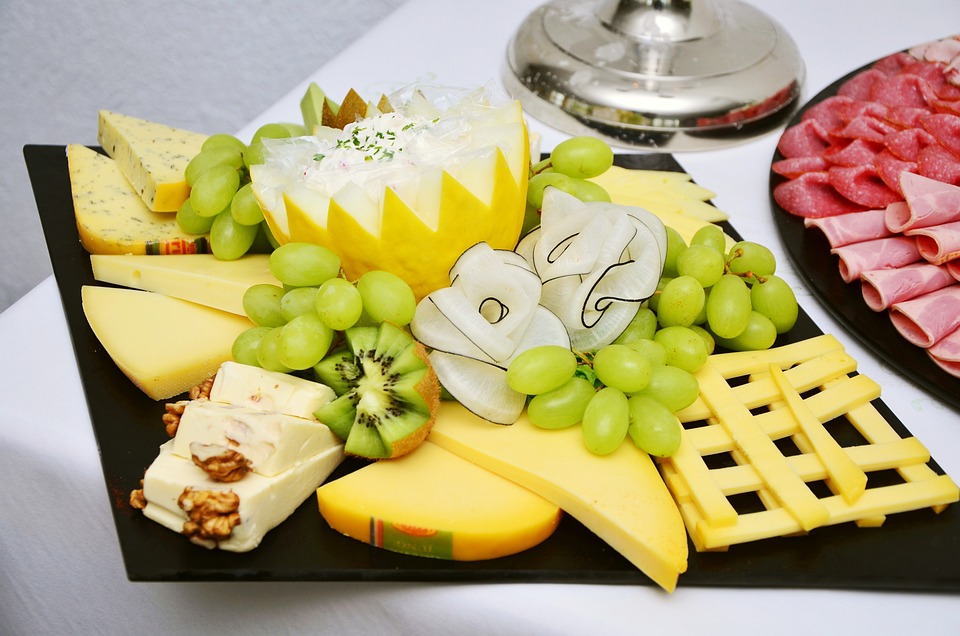
Pairing cheeses with the right accompaniments can elevate your cheese platter to the next level. Consider adding some of the following items to your spread:
- Fresh fruits such as grapes, figs, and apples
- Nuts like almonds, walnuts, and pistachios
- Crackers, breadsticks, and crostini
- Olives and pickles for a salty contrast
For a sweet touch, you can also include honey, fruit preserves, or dark chocolate.
Arranging Your Platter
When it comes to arranging your cheese platter, presentation is key. Start by placing the cheeses on your board or platter, making sure to leave space between each variety. Then, arrange your accompaniments around the cheeses, grouping similar items together for a cohesive look.
Consider adding some garnishes such as fresh herbs or edible flowers for a decorative touch. And don’t forget to provide small knives or spreaders for guests to use when serving themselves.
Final Touches
Before serving your cheese platter, give it a final touch by drizzling honey or balsamic glaze over some of the cheeses. This will add a touch of sweetness and acidity that will complement the flavors of the cheeses.
And remember, when it comes to pairing cheeses, there are no strict rules – feel free to get creative and try new combinations to discover your own perfect pairings!
For more inspiration and tips on cheese pairings, check out www.cheesemonger.com.

Frequently Asked Questions about Mastering the Art of Cheese Pairings: Creating a Party-Ready Cheese Platter
What types of cheeses should I include on my cheese platter?
For a party-ready cheese platter, it’s best to include a variety of cheeses to cater to different tastes. Consider including a mix of soft cheeses like brie or camembert, hard cheeses like cheddar or gouda, and blue cheeses like gorgonzola or Roquefort. You can also add some unique cheeses like goat cheese or feta to add diversity to your platter.
How should I pair cheeses with accompaniments?
When pairing cheeses with accompaniments, consider complementary flavors and textures. For example, pair a creamy brie with sweet fruits like figs or grapes, or pair a sharp cheddar with savory nuts like almonds or pecans. You can also add some variety by including crackers or crusty bread to create a balanced cheese platter.
How should I store my cheese platter before serving?
It’s best to store your cheese platter in the refrigerator before serving to keep the cheese fresh and firm. Cover the platter with plastic wrap or a lid to prevent the cheese from drying out. Take the platter out of the refrigerator about 30 minutes before serving to allow the cheese to come to room temperature and enhance its flavors.

How to Create the Perfect Cheese Platter for Parties
Choosing the Right Cheeses
When creating a cheese platter for a party, it’s important to choose a variety of cheeses to cater to different tastes. Consider including a mix of soft, hard, and semi-soft cheeses such as brie, cheddar, and gouda.
Pairing with Accompaniments
Enhance the flavors of the cheeses by pairing them with complementary accompaniments such as fruits, nuts, and crackers. For example, a sharp cheddar cheese can be paired with sliced apples and almonds for a delicious combination.
Presenting the Platter
Arrange the cheeses and accompaniments on a large platter or cheese board, making sure to space them out evenly for an attractive presentation. Consider adding labels next to each cheese to help guests identify their favorites.
For more information on different types of cheeses, check out Wikipedia’s page on Cheese.

Summary
- Learn how to master the art of cheese pairings
- Create a party-ready cheese platter with a variety of cheeses
- Discover the perfect accompaniments to enhance the flavors of the cheeses
- Ideal for entertaining guests and impressing friends and family