Contents
Welcome to our guide on Ceramic Cutting Boards for Precision Cutting
What You Need to Know
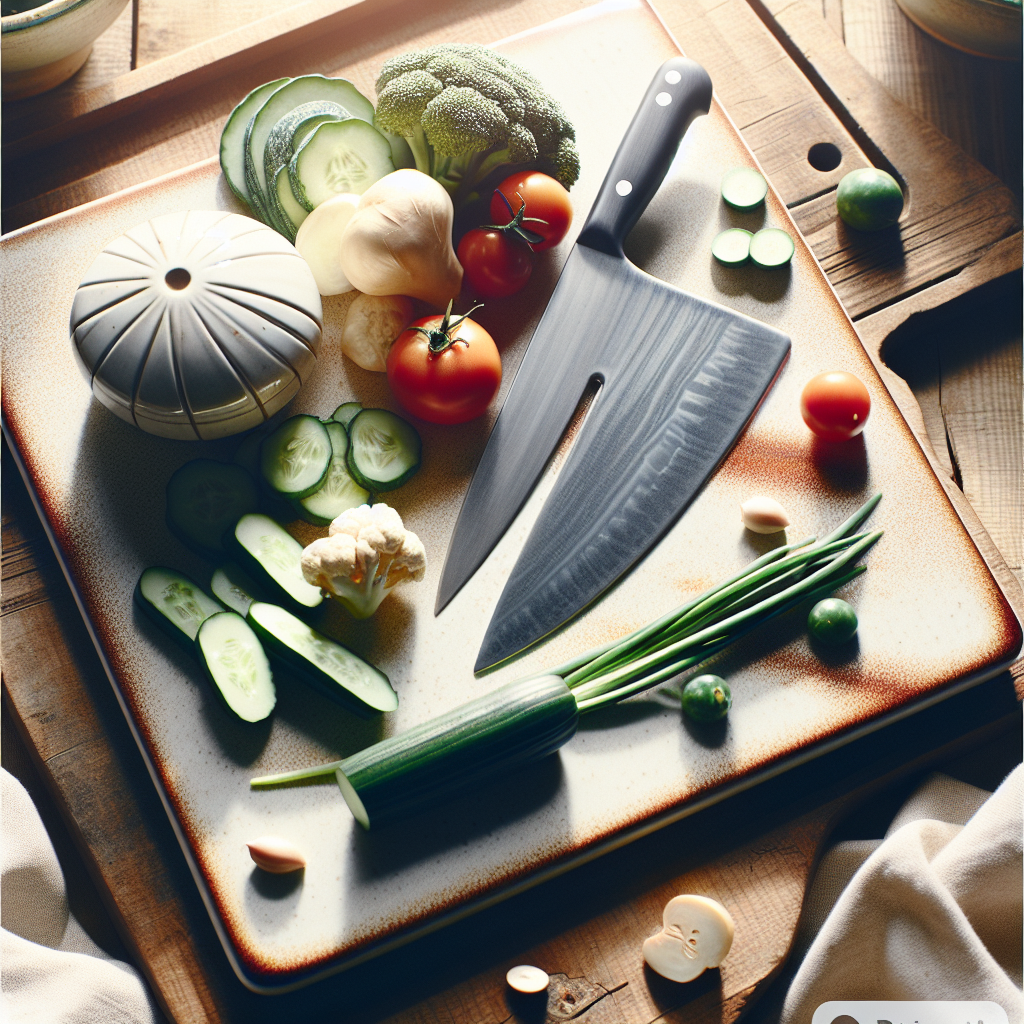
Ceramic cutting boards are a popular choice for those looking for a durable and easy-to-clean surface for their kitchen cutting needs. These boards are known for their precision cutting capabilities, making them ideal for slicing and dicing fruits, vegetables, meats, and more.
There are a few key things to know about ceramic cutting boards before making a purchase:
- Ceramic cutting boards are made from a hard, non-porous material that is resistant to stains and odors.
- These cutting boards are also extremely durable and will not warp or crack over time.
- They are easy to clean and maintain, requiring only a quick rinse with soap and water after use.
- Ceramic cutting boards are also heat-resistant, making them safe to use as a trivet for hot pots and pans.
- It is important to note that ceramic cutting boards can be brittle and may chip or crack if not handled carefully.
Overall, ceramic cutting boards are a great choice for those looking for a durable, precision cutting surface that is easy to clean and maintain.
Introduction
Ceramic cutting boards are becoming increasingly popular in kitchens due to their durability and precision cutting abilities. In this blog post, we will explore the benefits of using ceramic cutting boards and provide tips on how to maximize their potential in your kitchen.
Benefits of Ceramic Cutting Boards
Durable
Ceramic cutting boards are known for their durability, making them a long-lasting choice for your kitchen. Unlike wood or plastic cutting boards, ceramic boards are resistant to scratches and stains, ensuring that they will stay in top condition for years to come.
Precision Cutting
One of the main advantages of ceramic cutting boards is their ability to provide precise cuts. The smooth surface of a ceramic board allows for smooth and even slicing, making them ideal for cutting fruits, vegetables, and meat with precision.
Hygienic
Ceramic cutting boards are also hygienic, as they are less prone to bacterial growth compared to other materials. Their non-porous surface prevents the absorption of odors and liquids, making them easy to clean and maintain.
How to Maximize the Potential of Ceramic Cutting Boards
Use Proper Cutting Techniques
When using a ceramic cutting board, it is important to use proper cutting techniques to prevent damage to the board. Avoid using excessive force or twisting motions when cutting, as this can cause the board to crack or chip.
Avoid Using Metal Utensils
While ceramic cutting boards are durable, they can still be damaged by metal utensils. Avoid using sharp metal knives or utensils on your ceramic board, as this can cause scratches and damage to the surface.
Regular Maintenance
To ensure the longevity of your ceramic cutting board, it is important to regularly clean and maintain it. Wash your board with warm, soapy water after each use and avoid using harsh chemicals or abrasive cleaners that can damage the surface.
Conclusion
Ceramic cutting boards are a valuable addition to any kitchen, offering durability, precision cutting, and hygienic properties. By following proper care and maintenance techniques, you can ensure that your ceramic cutting board will continue to serve you well for years to come.
For more information on ceramic cutting boards, check out example.com.

The Benefits of Ceramic Cutting Boards
Ceramic cutting boards are a popular choice for those looking for precision cutting tools. These boards are known for their durability and resistance to wear and tear. They also do not absorb odors or bacteria, making them a hygienic choice for food preparation.
Why Choose Ceramic for Precision Cutting?
Ceramic cutting boards are ideal for precision cutting tasks because they are extremely hard and can maintain a sharp knife edge. This makes them perfect for slicing and dicing fruits, vegetables, and meats with precision and ease. Additionally, ceramic cutting boards are easy to clean and maintain, making them a practical choice for any kitchen.
Important Considerations
When choosing a ceramic cutting board, it is important to consider the size and thickness of the board. A larger board provides more cutting surface, while a thicker board offers more stability. It is also essential to choose a cutting board with a smooth surface to prevent damaging your knives.
For more information about ceramic cutting boards, you can visit Cutting Board Wikipedia Page.


Frequently Asked Questions about Ceramic Cutting Boards for Precision Cutting
What are ceramic cutting boards?
Ceramic cutting boards are cutting surfaces made from ceramic material. They are known for their durability, resistance to knife cuts, and their ability to provide a smooth surface for precision cutting.
What are the benefits of using ceramic cutting boards for precision cutting?
– Ceramic cutting boards are non-porous, making them resist stains and odors.
– They are hard and durable, providing a stable surface for cutting tasks.
– Ceramic cutting boards are easy to clean and maintain.
Are ceramic cutting boards safe for cutting food?
Yes, ceramic cutting boards are food-safe and suitable for cutting fruits, vegetables, and meat.
How do I clean and maintain ceramic cutting boards?
It is recommended to hand wash ceramic cutting boards with warm soapy water and a soft sponge. Avoid using abrasive cleaners that can scratch the surface. Store the cutting board in a dry place to prevent moisture buildup.
Can ceramic cutting boards be used for hot items?
It is not recommended to use ceramic cutting boards for hot items as they can crack or break under extreme temperature changes.

Benefits of Ceramic Cutting Boards
- Durable and long-lasting
- Resistant to scratches and stains
- Non-porous surface prevents bacteria growth
- Easy to clean and maintain
How to Use Ceramic Cutting Boards
- Avoid cutting hard or frozen foods directly on the board
- Use a sharp knife for precision cutting
- Hand wash with warm, soapy water
- Avoid dropping or knocking the board to prevent chipping
Choosing the Right Ceramic Cutting Board
- Look for a board with a sturdy construction
- Consider the size that suits your cutting needs
- Choose a design that complements your kitchen decor
- Check for non-slip grips to prevent accidents