Contents
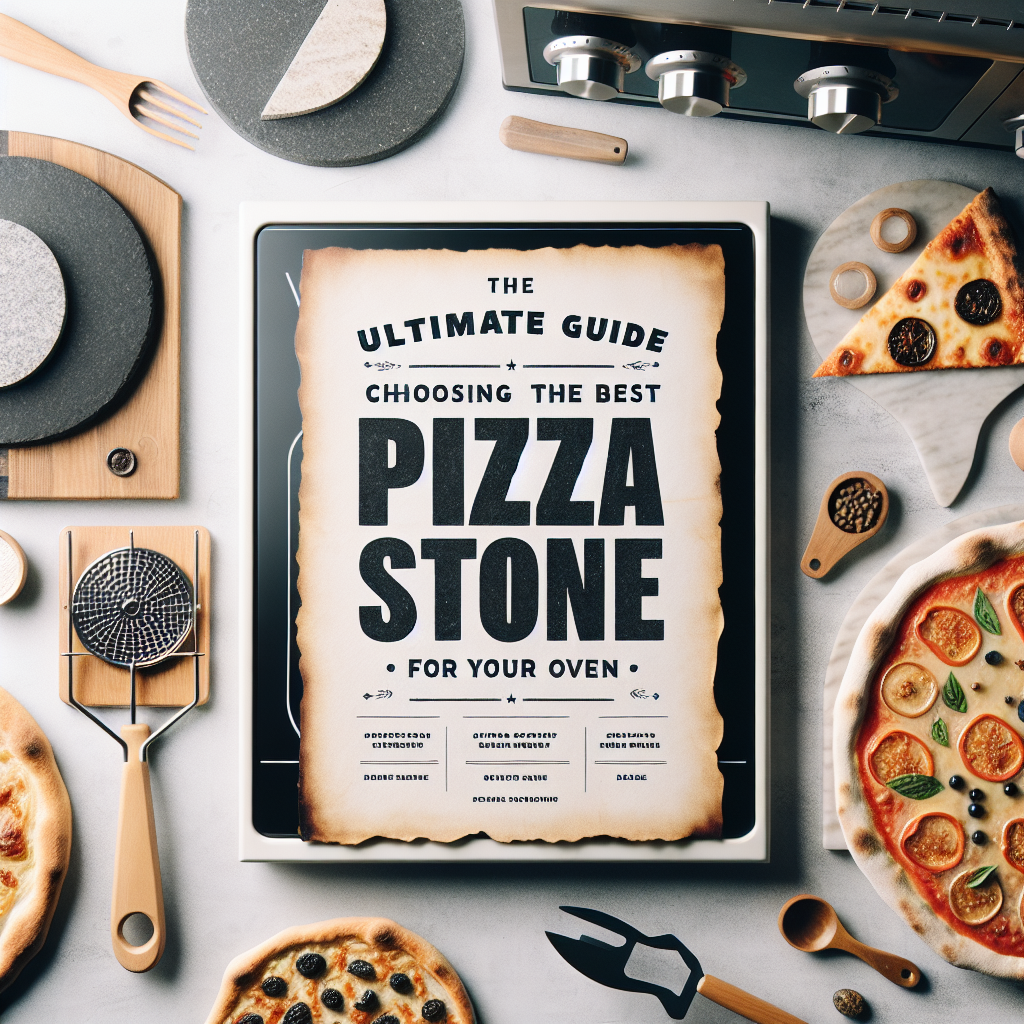
The Ultimate Guide to Choosing the Best Pizza Stone for Your Oven
Welcome to The Ultimate Guide that will help you navigate the world of pizza stones! Whether you’re a seasoned chef or a home-cooking enthusiast, selecting the right pizza stone can make a significant difference in achieving that perfect crust. In this guide, we will explore various factors to consider, including materials, thickness, and size, so you can find the best pizza stone for your oven. Get ready to elevate your pizza game to new heights!
Understanding Pizza Stones
A **pizza stone** is a flat surface made of ceramic, stone, or metal that is heated in the oven to cook pizza evenly. The main advantage of using a pizza stone is its ability to absorb moisture, helping to create a crispy crust.
Types of Pizza Stones
Ceramic Pizza Stones
Ceramic stones retain heat well and provide even cooking. However, they can be prone to cracking and require careful handling.
Cast Iron Pizza Stones
Cast iron stones offer excellent heat retention and durability. They can also be used on the grill and in the oven.
Steel Pizza Stones
Steel pizza stones heat up faster than ceramic ones and can give a great crispy crust. Many professionals prefer steel for its efficiency.
Size and Thickness Considerations
Choosing the Right Size
The size of your pizza stone should match the dimensions of your oven and the pizzas you intend to make. Common sizes include 12″, 14″, and 16″. Measure your oven’s interior carefully.
Stone Thickness
Thicker stones (around 0.5 to 1 inch) can hold more heat, but might take longer to preheat. Thinner stones (around 0.25 to 0.5 inch) are easier to manage but may not perform as well.
Material Quality and Durability
Quality matters! Look for stones that are heat resistant and made from natural materials. Avoid low-cost stones that can crack under high temperatures.
Preheating and Usage Tips
Always preheat your pizza stone for at least 30-60 minutes at the highest oven temperature to ensure optimal results. Use a pizza peel for easy transfer. For cleaning, let the stone cool and scrape off residues with a spatula.
Common Brands and Recommendations
Popular Pizza Stone Brands
- PizzaCraft – Known for their durable ceramic stones.
- Unicorn – Offers high-quality steel stones.
- Baking Steel – Specializes in professional-grade steel pizza stones.
Conclusion
Choosing the right **pizza stone** is essential for achieving that perfect crisp crust. Consider the material, size, thickness, and brand to find the best fit for your cooking style. Happy pizza making!

FAQs about Choosing the Best Pizza Stone for Your Oven
What is a pizza stone?
A pizza stone is a flat, round piece of material designed to absorb moisture and distribute heat evenly while baking pizza, resulting in a crispy crust.
What materials are pizza stones made from?
Pizza stones are typically made from ceramic, cordierite, or cast iron. Each material has its own pros and cons regarding heat retention and cooking performance.
How do I choose the right size pizza stone for my oven?
Measure the interior dimensions of your oven and choose a stone that fits comfortably, leaving some space for air circulation. Most pizza stones range from 12 to 16 inches in diameter.
Can I use a pizza stone on a grill?
Yes, many pizza stones are suitable for use on grills. Just ensure to check the manufacturer’s recommendations to prevent cracking from high temperatures.
How should I care for my pizza stone?
To maintain your pizza stone, avoid using soap, as it can absorb odors. Instead, scrape off any food residue with a spatula or brush and rinse with water. Allow it to dry completely before storing.
Do I need to preheat the pizza stone?
Yes, preheating the pizza stone is essential for achieving a crispy crust. Place the stone in a cold oven and heat it to the desired temperature, typically around 475°F to 500°F (245°C to 260°C).
Is it worth investing in a high-end pizza stone?
While higher-end pizza stones may offer better heat retention and durability, budget-friendly options can also yield great results. Consider your cooking habits and frequency before investing.
Can I bake other items on a pizza stone?
Absolutely! Pizza stones are versatile and can be used for baking bread, cookies, and even vegetables, enhancing their texture and flavor.
How do I know if my pizza stone is heating evenly?
To check for even heating, sprinkle some flour or cornmeal on the stone before baking. If it browns uniformly, your stone is heating evenly. If not, you may need to adjust your oven temperature or stone placement.

Choosing the Right Pizza Stone
When it comes to making pizza at home, the right pizza stone can make a significant difference in achieving that perfect crust. But how do you choose the best one for your home oven?
Material Matters
Pizza stones come in various materials, such as ceramic, cordierite, and steel. Each material has its own characteristics that can affect cooking performance. For instance, cordierite is known for its durability and heat retention.
Size and Thickness
Ensure you select a pizza stone that fits your home oven. A thicker stone often retains heat better, giving you a crispier crust. Measure your oven space before making a purchase.
Maintenance Tips
Proper care is essential for prolonging the life of your pizza stone. It’s recommended to clean it without soap and avoid soaking it in water. Allow it to cool before cleaning with a brush.
Preheating the Stone
Always preheat your pizza stone in the oven for at least 30 minutes before baking. This step ensures even cooking and helps achieve that beautiful crust.
Additional Resources
For more information on pizza stones and their usage, check out the Wikipedia page on Pizza Stones.

The Ultimate Guide to Choosing the Best Pizza Stone for Your Oven
Material Types
- Clay: Retains heat well, ideal for traditional pizzas.
- Steel: Heats up quickly, perfect for high-temperature cooking.
- Cordierite: Durable and can withstand thermal shock.
Size Considerations
- Choose based on your oven size and pizza diameter.
- Standard sizes range from 12″ to 16″.
Thickness Matters
- Thicker stones retain heat better.
- Thinner stones are lighter and easier to handle.
Temperature Ratings
- Look for stones rated for 500°F or higher.
- Higher ratings facilitate better crust crispiness.
Maintenance Tips
- Season your stone to prevent sticking.
- Clean with a scraper; avoid soap and water.
Price Range
- Budget stones range from $20 to $50.
- High-end stones can exceed $100.