


Contents
Cook Like a Pro: Build Your Own Sous Vide System
Welcome to the ultimate guide for cooking enthusiasts! In this section, we’ll delve into the art of sous vide cooking, a technique that has taken the culinary world by storm. Sous vide, meaning “under vacuum” in French, allows you to achieve restaurant-quality meals at home with precision and ease.
Are you ready to take your cooking skills to the next level? By building your own sous vide system, you’ll have the tools necessary to create perfectly cooked meats, fish, and vegetables that retain their flavors and nutrients. Join us as we explore the components needed, setup tips, and cooking techniques to help you become a sous vide master.
What is Sous Vide Cooking?
Sous vide, which translates to “under vacuum” in French, is a cooking technique that involves vacuum-sealing food in a bag and cooking it to a very precise temperature in a water bath. This method ensures even cooking and exceptional consistency, making it a favorite among professional chefs and home cooks alike.
Advantages of Sous Vide Cooking
Precision
Sous vide cooking allows you to achieve the perfect doneness for meats, vegetables, and even desserts. For instance, cooking steak to a precise medium-rare takes the guesswork out of traditional cooking methods.
Tender and Juicy Results
Because the foods are cooked in their own juices, sous vide results in unbelievably tender and flavorful meals. You can say goodbye to dry and overcooked dishes.
Convenience
Set it and forget it! With sous vide, you can prepare your ingredients in advance and simply finish them quickly when ready to serve, making it perfect for busy schedules.
Components of a Sous Vide System
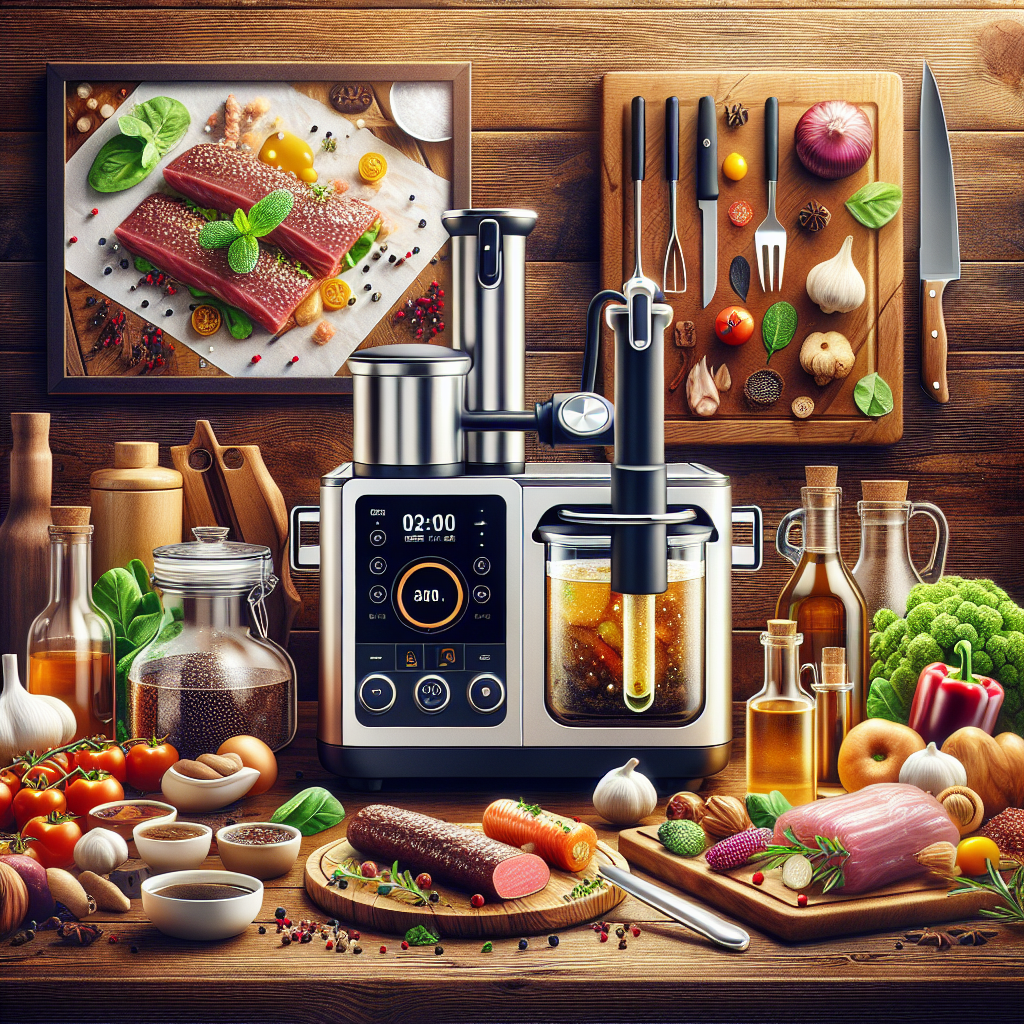
Immersion Circulator
The heart of any sous vide system is an immersion circulator, which heats the water and maintains a consistent temperature throughout the cooking process. Popular brands include Anova Culinary and Sous Vide Supreme.
Container
A large pot or a dedicated sous vide container is essential. While a standard stockpot can work, containers designed for sous vide help minimize evaporation and maintain temperature efficiency.
Vacuum Sealer
A vacuum sealer is crucial for removing air from the food bags. This ensures that the food cooks evenly and avoids any risk of bacterial growth. An affordable option can be found at FoodSaver.
Building Your Own Sous Vide Setup
Choosing Your Equipment
When building your own sous vide setup, consider the size, power, and features of your immersion circulator. Look for models with a durable body, good temperature range, and consistent reviews from users.
Temperature and Time Guidelines
Cooking times and temperatures depend on the type of food you are preparing. For instance:
- Steak: 129°F for 1-4 hours for medium-rare
- Pork Tenderloin: 140°F for 1-4 hours
- Chicken Breast: 145°F for 1-4 hours
For an extensive guide on sous vide temperatures, check out Serious Eats.
Vacuum Sealing Techniques
To vacuum seal successfully, place your food into a bag and use the vacuum sealer, ensuring no moisture seeps into the sealer. Be mindful of the ‘moist’ setting if your machine has it. Alternatively, you can use the water displacement technique for zip-top bags.
Tips for Successful Sous Vide Cooking
Experiment with Flavors
Use herbs, spices, and marinades in your vacuum-sealed bags to enhance flavors. Consider using fresh ingredients rather than dried or powdered for the best results.
Finishing Techniques
Once your food is cooked, consider using a quick sear on a hot grill or skillet for added texture and flavor. This step is particularly effective for meats.
Storing Sous Vide Meals
Prepared sous vide meals can be stored in the fridge or freezer. If stored properly, they’re a convenient option for meals throughout the week. Ensure bags are sealed tightly to avoid freezer burn.
Conclusion: Elevate Your Cuisine
By building your own sous vide system and understanding the components and techniques involved, you’ll be well on your way to preparing gourmet meals in the comfort of your home. Start experimenting with different foods and flavors, and enjoy the precision and enjoyment that sous vide cooking brings to your culinary adventures.

Understanding the Sous-vide Cooking Method
Sous-vide is a French cooking method that involves vacuum-sealing food in a bag and cooking it to a very precise temperature in a water bath. This technique allows for greater control over the cooking process and results in perfectly cooked meals.
Benefits of Sous-vide Cooking
- Enhanced flavor retention
- Consistent cooking results
- Improved texture in meats and vegetables
Essential Equipment for Your Sous-vide Station
To create your own sous-vide station, you will need some essential equipment:
- Immersion Circulator: This device heats the water and maintains the desired temperature.
- Vacuum Sealer: To remove air from the bags and seal the food.
- Water Bath Container: A pot or container that can hold the water and food securely.
Choosing the Right Sous-vide Device
When selecting an immersion circulator, consider factors like wattage, temperature range, and user reviews. A higher wattage typically means faster heating times.
Steps to Set Up Your Sous-vide Station
- Gather all necessary equipment.
- Fill the water bath container with water.
- Attach the immersion circulator and set the desired temperature.
- Seal your food in vacuum bags.
- Submerge the bags in the water bath and cook for the recommended time.
Maintaining Your Sous-vide Station
Keep your equipment clean and efficiently maintained. Regularly check the water levels and ensure that the circulator is functioning properly.
Further Reading
For more information on sous-vide cooking, check out the Wikipedia page on Sous-vide.

FAQs about Cook Like a Pro: Build Your Own Sous Vide System
What is sous vide cooking?
Sous vide is a cooking technique where food is vacuum-sealed in a bag and placed in a water bath at a precise temperature for an extended period. This method ensures even cooking and enhances the flavor and texture of the food.
Do I need any special equipment for sous vide cooking?
Yes, you will need a precision sous vide immersion circulator, a vacuum sealer, and vacuum seal bags. Some people also use a large pot or container to hold the water bath.
Can I use regular ZIP-top bags for sous vide?
While you can use ZIP-top bags, they may not create a complete vacuum seal, which is essential for achieving the best results. It’s recommended to use bags specifically designed for sous vide cooking.
What types of food can I cook using sous vide?
Almost any food can be cooked sous vide, including meats, vegetables, seafood, and eggs. The technique is particularly popular for cooking steak, chicken, and vegetables to perfection.
How long does it take to cook food sous vide?
Cooking times vary depending on the type and thickness of the food. For example, a steak may take 1 to 4 hours, while vegetables can take anywhere from 30 minutes to several hours depending on the type.
What temperature should I cook my food at?
The temperature depends on the type of food and your desired doneness. Common sous vide temperatures range from 130°F (54°C) for rare steak to 165°F (74°C) for poultry. Refer to specific guidelines for best results.
Is sous vide cooking safe?
When done correctly, sous vide cooking is safe. It’s essential to follow food safety guidelines, including cooking at the appropriate temperatures and ensuring that food is stored properly before and after cooking.
Can I store sous vide cooked food?
Yes, cooked sous vide food can be stored in the refrigerator for several days or frozen for longer storage. Make sure to vacuum seal it properly to prevent freezer burn.
Will my food have a different texture using sous vide?
Yes, sous vide cooking can result in a unique texture that is often more tender than traditional cooking methods, as the food cooks evenly and retains moisture.
What are some tips for beginners?
Start with simpler recipes, ensure you have the proper equipment, and don’t rush the process. Experiment with cooking times and temperatures to find what works best for your taste preferences.

Key Concepts
- Understand the science behind sous vide cooking.
- Importance of temperature control for perfect results.
- Benefits of vacuum sealing food for sous vide.
Essential Equipment
- Immersion circulator for precise temperature management.
- Vacuum sealer or resealable bags for food storage.
- Water container to hold temperature and food.
Cooking Techniques
- Preparing food for sous vide: seasoning and sealing.
- Cooking times and temperatures for different proteins and vegetables.
- Finishing touches: searing for flavor and texture.
Tips and Tricks
- How to troubleshoot common sous vide issues.
- Experimenting with flavors and marinades.
- Storing and reheating sous vide meals effectively.
Final Thoughts
- Sous vide cooking is a versatile and precise method.
- Invest in quality equipment for best results.
- Practice and experimentation lead to delicious meals.





