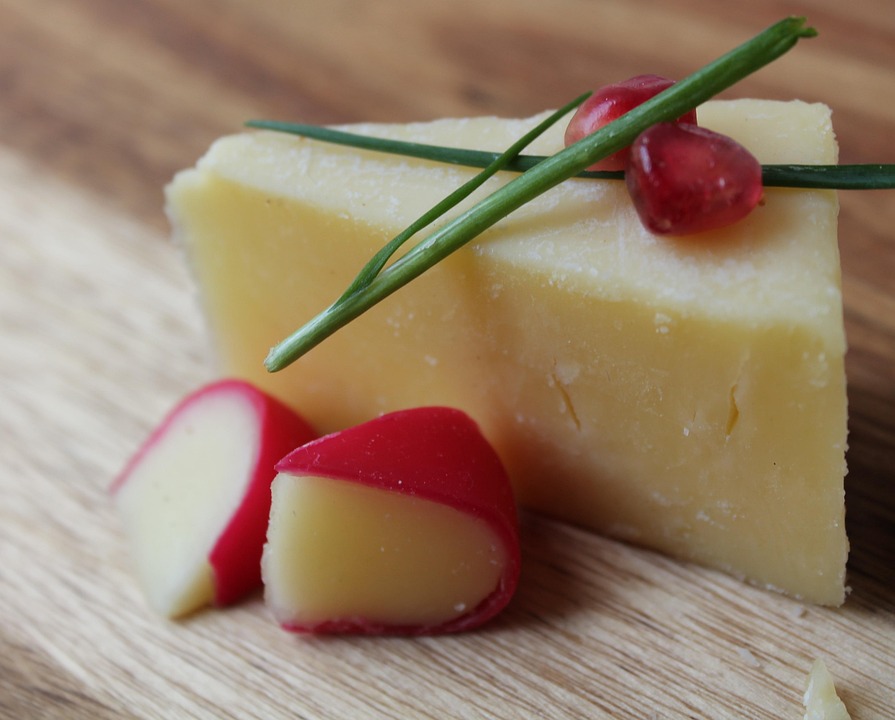
Contents
Cheddar and Gouda: A Cheese Lover’s Guide to the Differences
Introduction
Cheese has an incredible ability to enhance a wide range of culinary experiences, and among the myriad of options available, Cheddar and Gouda stand out as two of the most beloved and versatile varieties. Both cheeses offer unique flavors, textures, and culinary applications, making them staples in kitchens around the world. In this guide, we’ll explore the distinct characteristics of Cheddar and Gouda, delving into their origins, flavor profiles, aging processes, and best uses. Whether you’re a seasoned cheese connoisseur or a curious newcomer, understanding the differences between these two iconic cheeses will elevate your tasting experience and allow you to make informed choices for your next cheese board or recipe.
Understanding Cheddar Cheese
Origin and History
Cheddar cheese originated in the English village of Cheddar in Somerset. Its history dates back to the 12th century, and it has since become one of the most popular cheeses worldwide.
Flavor Profile
Cheddar cheese varies in flavor depending on its aging process. Mild Cheddar is smooth and creamy, while aged Cheddar can develop sharp, nutty, and complex flavors.
Texture and Color
The texture of Cheddar ranges from creamy when young to crumbly when mature. Its color can be white to deep orange, depending on the addition of coloring agents like annatto.
Exploring Gouda Cheese
Origin and History
Gouda originated in the Netherlands and has been produced since the 12th century. It’s named after the city of Gouda, which was a prominent trading center for cheese.
Flavor Profile
Gouda cheese is known for its rich, creamy flavor, which can range from sweet and caramel-like when young to more complex and nutty as it ages.
Texture and Color
Young Gouda has a smooth, semi-soft texture, whereas aged Gouda becomes firmer and develops a crystalline texture. The color can vary from pale yellow to a deeper, golden hue.
Key Differences Between Cheddar and Gouda
Production Techniques
Cheddar is made using a process called “cheddaring,” which involves stacking curds to expel whey. Gouda, on the other hand, has a simpler production method where curds are washed to achieve a sweeter taste.
Aging Process
Cheddar is typically available in various aging profiles, while Gouda can be categorized as young or aged. Aged Gouda can develop complex flavors that resemble butterscotch and caramel.
Usage in Cooking
Cheddar is often used in dishes such as mac and cheese, grilled cheese sandwiches, and burgers. Gouda shines when melted in dishes like fondue or enjoyed with fruits and wines.
Pairing Cheddar and Gouda
Wine Pairings
Cheddar pairs well with full-bodied wines like cabernet sauvignon or malbec. Gouda, especially when aged, complements sweeter wines such as Riesling or port.
Food Pairings
Both cheeses go well with crackers, fruits, and charcuterie boards. Pair Cheddar with apples and Gouda with pears for a delightful contrast.
Where to Buy Cheddar and Gouda
For authentic Cheddar and Gouda, consider visiting local cheese shops or specialty grocery stores. For online purchases, check out The Cheese of the Month Club for a curated selection of cheeses delivered to your door.
Conclusion
Both Cheddar and Gouda have unique characteristics that cater to various tastes and culinary needs. Whether you prefer the sharpness of Cheddar or the creaminess of Gouda, both are essential in any cheese lover’s repertoire.

FAQs about Cheddar and Gouda
What are the main differences between Cheddar and Gouda?
Cheddar is a firm, cow’s milk cheese with a sharp flavor, while Gouda is a semi-hard cheese known for its creamy and nutty taste. Cheddar is typically aged longer than Gouda, resulting in a more pronounced flavor.
How are Cheddar and Gouda made?
Both cheeses are made from cow’s milk, but their production processes vary. Cheddar involves a process called “cheddaring,” where the curds are cut, stacked, and pressed. Gouda, on the other hand, requires a more gentle curd treatment and is typically washed to achieve its characteristic sweetness.
What are the flavor profiles of Cheddar and Gouda?
Cheddar can range from mild to sharp, depending on its aging process, while Gouda generally has a sweeter, creamier flavor. Aged Gouda can develop caramel-like notes, contrasting its younger counterpart.
Can Cheddar and Gouda be used interchangeably in recipes?
While they can sometimes be substituted for one another in certain recipes, their distinct flavors may affect the final dish. For a balanced flavor, it’s best to use the cheese specified in the recipe.
What are some popular pairings for Cheddar and Gouda?
Cheddar pairs well with apples, crackers, and red wines, while Gouda complements fruits like figs and pears and is delightful with sweeter wines or beers.
Are there different varieties of Cheddar and Gouda?
Yes! Cheddar comes in various styles, including mild, sharp, and even flavored varieties. Gouda also has a range: young Gouda is soft and mild, while aged Gouda can be hard and intensely flavored.

Overview of Cheddar and Gouda Cheese
Cheddar and Gouda are two of the most popular cheeses globally, each with its unique flavor profile and texture. Both originate from different regions and have distinct characteristics that make them special.
Origin and Production
Cheddar cheese originated in England, specifically in the village of Cheddar in Somerset. It is made from cow’s milk and undergoes a traditional process called cheddaring. Gouda, on the other hand, is a Dutch cheese named after the city of Gouda in the Netherlands. It is also made from cow’s milk but can vary significantly depending on regional production methods.
Taste and Texture Differences
Cheddar cheese typically has a sharp and tangy flavor that intensifies with aging. Its texture ranges from smooth to crumbly as it matures. Gouda cheese, in contrast, is known for its creamy and sweet taste, which can also develop nutty flavors as it ages. The texture of Gouda is generally firmer but can also be creamy and pliable.
Culinary Uses
Both cheeses are versatile in culinary applications. Cheddar is often used in sandwiches, burgers, and mac and cheese, while Gouda is commonly used in cheese boards, salads, and as a melting cheese for various dishes.
Learn More
For a more in-depth understanding of Cheddar and Gouda cheese, visit their respective pages on Cheddar cheese and Gouda cheese on Wikipedia.

Cheddar and Gouda: A Cheese Lover’s Guide to the Differences
- Origin: Cheddar originates from England, while Gouda comes from the Netherlands.
- Flavor Profile: Cheddar has a sharper taste; Gouda is creamier and often sweeter.
- Texture: Cheddar varies from crumbly to smooth, while Gouda is usually smooth and buttery.
- Aging: Cheddar can be aged for various time periods; Gouda is often aged for a minimum of 4 weeks to several years.
- Usage: Cheddar is popular in cooking; Gouda is great for cheese boards and pairings.