Contents
Cheese Platter Perfection: A Step-by-Step Guide to Wow Your Guests
Welcome to Cheese Platter Perfection! Whether you’re hosting a casual gathering or an elegant soirée, a beautifully arranged cheese platter can be the star of the show. This guide will take you through each step of creating an impressive cheese board that will delight your guests and elevate any occasion. From selecting the finest cheeses to the art of pairing flavors, you’ll learn how to craft a stunning presentation that not only looks amazing but also tantalizes the palate. Get ready to impress your guests with your new cheese platter skills!
Understanding the Basics of a Cheese Platter
A cheese platter is not just about cheese; it’s an experience that combines taste, texture, and visual appeal. To create a memorable cheese platter, consider the following fundamental components:
Types of Cheese
When selecting cheese, it’s essential to include a variety of flavors and textures. Aim for a selection that includes:
- Soft Cheese: Brie or Camembert
- Hard Cheese: Aged Cheddar or Gouda
- Blue Cheese: Gorgonzola or Roquefort
- Fresh Cheese: Mozzarella or Goat Cheese
Choosing Accompaniments
Complementing your cheese with the right accompaniments can elevate your platter. Here’s what to include:
Fruits
Fresh fruits like grapes, figs, or apples provide sweetness and balance. Dried fruits such as apricots or dates also work well.
Charcuterie
Cured meats like salami, prosciutto, or chorizo offer a savory element that pairs beautifully with cheese.
Nuts and Seeds
Adding nuts like almonds or walnuts adds crunch and flavor. Consider including honey-roasted or spiced varieties for extra flair.
Spreads and Jams
Opt for a mix of jams, honey, or chutneys to spread on the cheese. Fig jam and honey create a wonderful pairing with many cheese types.
Presentation Matters
A visually appealing cheese platter is crucial, as it tempts guests as much as the flavors do. Follow these tips for impressive presentation:
Choosing the Right Board
Use a wooden cheeseboard, marble slab, or slate platter. These materials enhance the overall look while adding elegance.
Arranging the Cheese
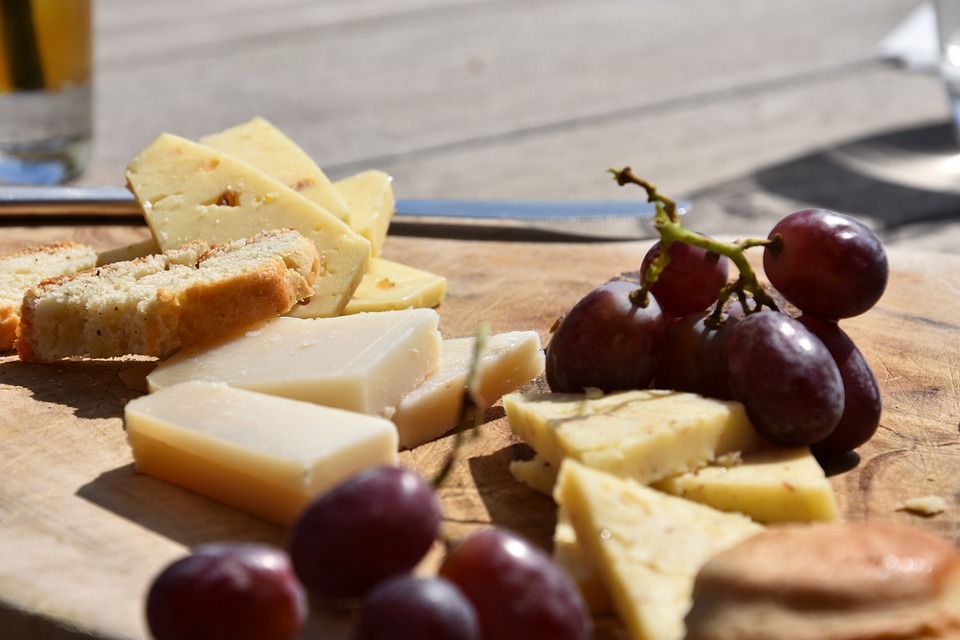
Place cheese in varying shapes and sizes, fanning out slices or stacking for visual interest. Leave space for the accompaniments.
Step-by-Step Guide to Creating Your Cheese Platter
Follow these simple steps to assemble your cheese platter:
Step 1: Gather Your Ingredients
Assemble your cheese, accompaniments, and any serving utensils. Be sure to have a variety of flavors and textures.
Step 2: Prepare the Cheese
Remove cheese from the fridge about 30 minutes before serving to let it reach room temperature for optimal flavor.
Step 3: Arrange the Platter
Start with the cheese, then fill in with fruits, meats, nuts, and spreads. Aim for balance in color and texture.
Step 4: Garnish
Finish with fresh herbs or edible flowers for an extra touch of elegance.
Final Touches and Serving Suggestions
Once your platter is complete, consider the following final touches:
Serving Tools
Provide cheese knives, toothpicks, and small plates for convenience. Make sure guests can easily serve themselves.
Pairing Drinks
Cheese pairs wonderfully with wines, beers, or non-alcoholic beverages. Explore pairing options at Wine Folly.
Conclusion
Creating a cheese platter is straightforward with the right approach and ingredients. With your newfound knowledge, you’re ready to impress your guests and create an unforgettable culinary experience!

FAQs about Cheese Platter Perfection
What types of cheese should I include in my platter?
For a well-rounded cheese platter, consider including a variety of textures and flavors. Popular choices are:
- Soft cheese (e.g., Brie, Goat cheese)
- Hard cheese (e.g., Cheddar, Manchego)
- Blue cheese (e.g., Gorgonzola, Roquefort)
- Fresh cheese (e.g., Mozzarella, Burrata)
How many cheese varieties should I offer?
A good rule of thumb is to include 3 to 5 different kinds of cheese. This ensures variety without overwhelming your guests.
What accompaniments should I include?
Accompaniments enhance the flavors of cheese. Consider adding:
- Crackers and bread
- Fresh fruits (e.g., grapes, figs)
- Dried fruits (e.g., apricots, raisins)
- Nuts (e.g., almonds, walnuts)
- Jams or honey
How should I arrange the cheese on the platter?
Arrange the cheese in a visually appealing manner. Place larger pieces first, then fill in gaps with smaller items. Group similar cheeses together for distinct sections.
How far in advance can I prepare the cheese platter?
Most cheese platters can be prepared a few hours in advance. To maintain freshness, add perishable items like fruits closer to serving time.
What is the best way to serve cheese?
Serving cheese at room temperature allows for optimal flavor. Take the cheese out of the refrigerator about 30 minutes before serving.

Choosing the Right Cheeses
To create a perfect cheese platter, start by selecting a variety of cheeses that represent different textures and flavors. Consider including:
- Soft cheeses like Brie or Camembert
- Hard cheeses such as aged Cheddar or Parmigiano-Reggiano
- Blue cheeses for a bold flavor, like Roquefort or Gorgonzola
- Fresh cheeses like Goat cheese for a lighter option
Complementary Accompaniments
Crackers and Bread
Offer an assortment of crackers, breadsticks, and artisan breads to pair with your cheeses. This will add texture and enhance the overall experience.
Fruits and Nuts
Fresh fruits such as grapes, figs, or apple slices paired with nuts can beautifully complement the rich flavors of the cheese. Opt for almonds, walnuts, or pistachios.
Presentation Tips
Arranging your cheese platter artfully is key. Consider the following presentation tips:
- Use a large wooden board or a slate platter to create visual interest.
- Group cheeses by type and size to create a harmonious layout.
- Intersperse fruits, nuts, and accompaniments around the cheeses to create a balanced look.
Additional Resources
For more detailed insights on cheese, check out the Cheese Wikipedia page.

Cheese Platter Perfection: A Step-by-Step Guide to Wow Your Guests
- Choose a variety of cheeses: Include soft, hard, and blue cheeses for diverse textures and flavors.
- Incorporate pairings: Add fruits, nuts, and charcuterie to complement the cheeses.
- Craft a visually appealing layout: Use different heights and shapes for an eye-catching presentation.
- Offer appropriate utensils: Include cheese knives, forks, and small spoons for easy serving.
- Consider dietary restrictions: Provide vegan or lactose-free options for diverse guest needs.
- Provide tasting notes: Label each cheese with its name, origin, and flavor profile for an interactive experience.
- Keep it fresh: Assemble the platter shortly before serving to maintain the best taste and presentation.