


Contents
Introduction to Teapots and Proper Usage
Teapots are a centuries-old way to enjoy a hot cup of tea. Teapots come in a variety of shapes, sizes, and materials, and can be used to steep tea leaves or tea bags. To properly use a teapot, fill the pot with hot water and add the desired amount of tea leaves or tea bags. Allow the tea to steep for the desired amount of time, depending on the type of tea. Once the tea is ready, pour it into a cup and enjoy!
For more information on teapots and proper usage, visit The Spruce Eats.
Teapots, or kettles, are the perfect partner for making hot drinks. They are suitable for longer tea steeping and hot water preparation. The kettles are equipped with practical handles that make them easy to handle. In addition to tea, you can conveniently prepare homemade lemonade, coffee, hot milk, wine and many other types of drinks in them.
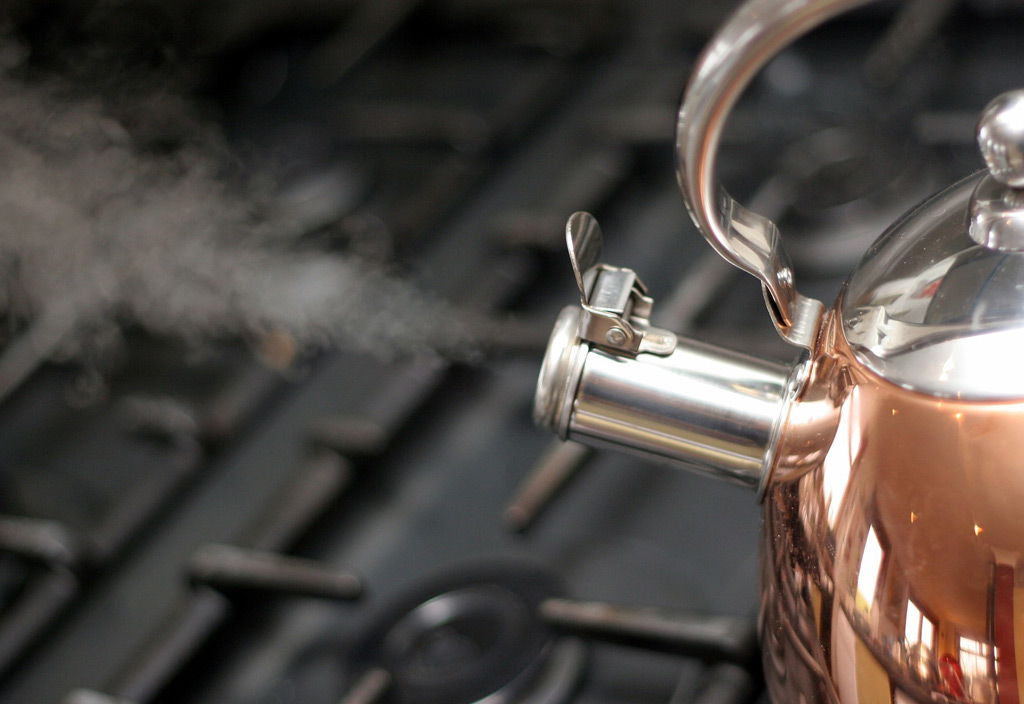
Fig. 01: Stainless steel teapots are not only a practical piece of crockery, but they also make a beautiful addition to your kitchen. When heating them, you need to follow a few guidelines to prolong their life.
Nowadays, we are already seeing teapots with very sophisticated designs, which makes kettles aesthetically appealing additions to the kitchen. You can choose from many types to fit right into yours. For example, there are stainless steel teapots, enamel teapots, cast iron teapots, teapots with a whistle to alert you that water is boiling. The last two are very popular retro teapots, which will give your home a completely different touch.
How to choose the right teapot?
First of all, you need to focus on the type of kettle. Not all kettles are adapted to all heating variants. Only quality kettle is suitable for all types of cookers – gas, electric, ceramic and induction. Therefore, choose quality kettles or kettles directly designed for a given cooker. Simply put, you will preferably choose a kettle for induction.
The second criterion should definitely be the material of the kettle. Stainless steel is suitable. Its great advantage is that the teapot can be exposed to a really high temperature. This makes it faster to prepare hot drinks and stainless steel teapots achieve a longer service life than teapots made of other materials. Then there is cast iron, which, like stainless steel, is resistant to corrosion. However, it must be heated more slowly to avoid damage. It is always necessary to have at least two-thirds water. But you may still be charmed by the design at first sight enamelled teapots. But even that is guaranteed to serve well.
The last criterion is, of course, the volume of the kettle, which is crucial in making sure there is enough hot water for the whole family. So think of the latter when choosing one, and if you don’t like to wash dishes by hand, look for a teapot that’s dishwasher safe.
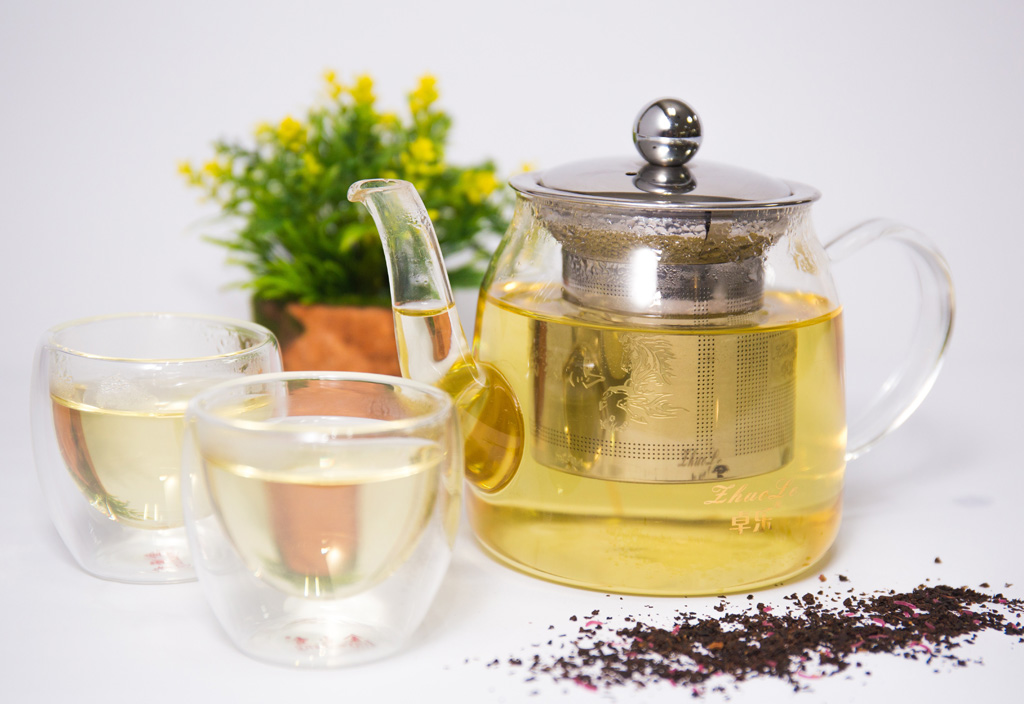
Fig. 02: Kettles made of boiling glass require specific handling. Avoid temperature shocks when heating and use a flame diffuser (for gas heating).
Advantages of the teapot
Apart from the very appealing design, teapots have a huge advantage. They have the ability of what is called tea patina, which is a coating that develops after prolonged use of the teapot. This “priming” adds a whole new dimension to your tea. However, if you prepare drinks other than tea in the teapot, we recommend that you wash the teapot properly after each use.
So how do you use a teapot properly?
It is common for a teapot to be subjected to high power on the stove, leading to overheating its surface.. Most often, poor handling is noticeable in teapots of light colour or in teapots without paint with only a polished stainless steel surface.
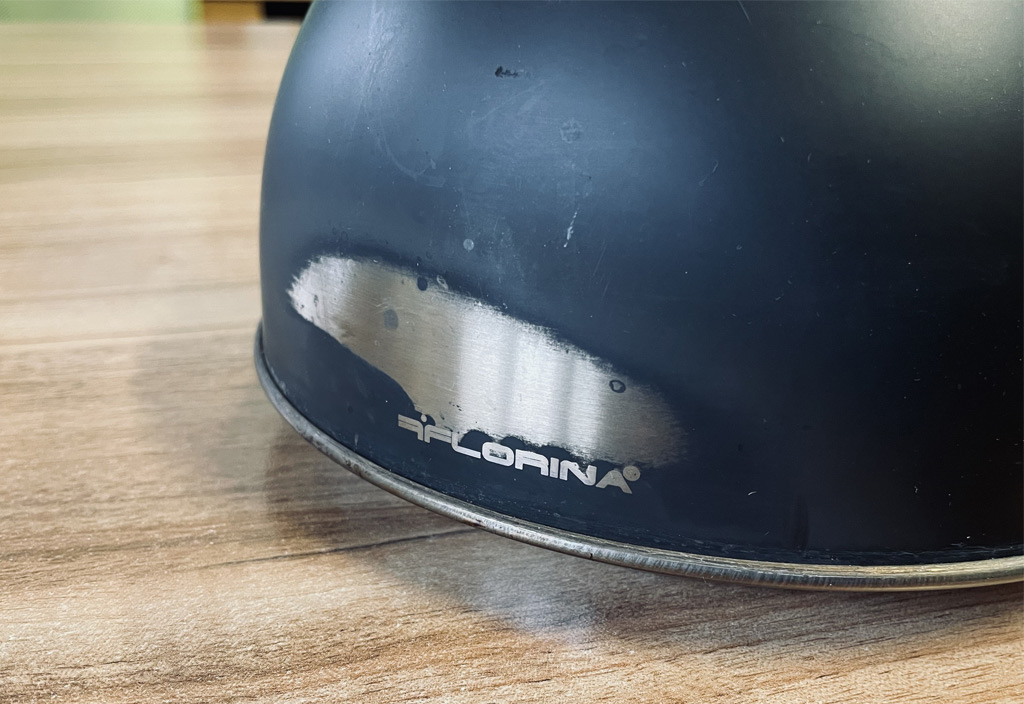
Figure 03: A teapot that has been placed off-center on a gas burner. The flame went over the edge and burned the colored lacquer.
In order to preserve the appearance of a teapot for a long time, it is necessary to observe a few principles which are also encountered in other kinds of utensils, such as pots and pans. If a teapot is overfired, the spray paint can cause color changes, but this is not a defect. Therefore:
- Avoid overheating the kettle.
- At a small amount of water choose small power Plates don’t wait for the whistle to blow. The water boils much sooner.
- U gas stove use the smallest burners. The flame must be only in the central part of the bottom with a distance of approx. 4 cm from the rim of the pot. Next, make sure the teapot is on the burner exactly in the centre and it’s not crooked.
- When used on Induction do not set the highest heating level. Induction has a very high power output and a rapid onset of heating.
How do I use a teapot properly?
Using a teapot is easy! Start by boiling water in a kettle. Then, add the desired amount of tea leaves or tea bags to the teapot. Pour the boiled water into the teapot and let the tea steep for the desired amount of time. Finally, pour the tea into cups and enjoy!
For more information, check out this guide to using a teapot.
Advantages of Using Teapots Properly
- Teapots are a great way to make a cup of tea quickly and easily.
- Using a teapot allows you to easily adjust the strength of your tea.
- Teapots are easy to clean and maintain.
- Using a teapot can help to conserve energy since you can make multiple cups of tea with one pot.
- Teapots come in a variety of styles and sizes to suit any taste and preference.
Welcome to the world of teapots! Teapots are a great way to make a delicious cup of tea. Whether you’re a beginner or a seasoned tea connoisseur, you can make the perfect cup of tea with the right teapot. To get started, fill your teapot with cold water, add tea leaves or tea bags, and bring the water to a boil. Once the water is boiling, pour it over the tea leaves or tea bags, and steep for the desired amount of time. Then, carefully pour the tea into a cup and enjoy! Don’t forget to clean your teapot after each use to keep it looking and working its best.


