
Contents
What is the difference between all-purpose flour and bread flour?
Flour is a crucial ingredient used in baking different types of baked goods, from cakes to bread. All-purpose flour and bread flour are two different types of flour that are commonly used in baking.
All-purpose flour is a versatile flour that is suitable for most baking needs. It is made from a blend of hard and soft wheat and has a medium protein content of around 10-12%. This flour is ideal for making cakes, cookies, and pies as it produces a tender crumb and a delicate texture.
On the other hand, bread flour has a higher protein content of around 12-14% compared to all-purpose flour. It is made from a blend of hard wheats that are high in gluten. This gluten content helps to create stronger and more elastic dough, which is essential for making bread. Bread flour produces a chewy and dense texture, which is perfect for crusty bread or pizza dough.
In conclusion, the main difference between all-purpose flour and bread flour is their protein content, which affects their functionality in different baking applications. Choosing the right flour depending on the recipe is crucial to achieve the desired outcome.
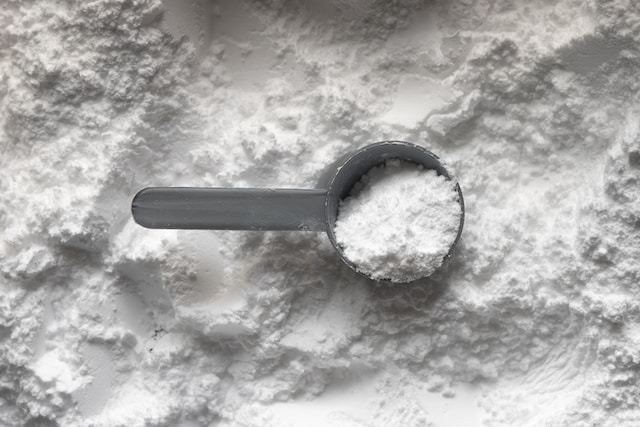
All-Purpose Flour vs Bread Flour
Introduction
When it comes to preparing baked goods, choosing the right type of flour is essential. Two common types of flour used in home baking are all-purpose flour and bread flour. Although these two types of flour may seem quite similar, there are actually some key differences that affect the final result of your baked goods. In this post, we will explore the difference between all-purpose flour and bread flour to help you choose the right type for your recipe.
All-Purpose Flour
All-purpose flour is a versatile type of flour that can be used in a wide range of recipes, including cakes, breads, and pastries. As the name suggests, all-purpose flour is designed to be suitable for a variety of purposes. It is commonly made from a mixture of hard and soft wheat and has a moderate protein content, usually around 10-12%. This protein content makes it ideal for recipes that require a moderate amount of gluten development, such as cakes and pancakes.
All-purpose flour is widely available and is typically less expensive than bread flour. It has a finer texture than bread flour, which can make it easier to work with in some recipes. However, its lower protein content means that it may not produce the same level of gluten development as bread flour, which can affect the texture and rise of your bread.
Bread Flour
Bread flour, as the name suggests, is specifically designed for use in bread recipes. It is made from hard wheat and has a higher protein content than all-purpose flour, usually around 12-14%. This higher protein content helps to develop gluten, which is essential for creating the structure and texture of bread.
Bread flour typically has a coarser texture than all-purpose flour and may have a slightly nutty taste. It is more expensive than all-purpose flour, but its unique properties make it ideal for bread baking. Using bread flour in bread recipes can help to create a chewy, well-risen loaf with a crispy crust.
Which Should You Choose?
Choosing the right flour for your recipe depends on several factors, including the type of baked good you are making and your personal preferences. If you are making a cake, pastry, or other delicate baked good, all-purpose flour is likely the best choice. Its lower protein content will create a tender, crumbly texture that is perfect for these types of recipes.
On the other hand, if you are making bread or another yeast-based recipe, bread flour is your best bet. Its higher protein content will help to create a sturdy structure and a well-risen loaf. If you prefer a chewy, dense texture in your bread, bread flour is the way to go.
Conclusion
Choosing the right type of flour for your recipe can make a big difference in the final result of your baked goods. All-purpose flour and bread flour may seem similar, but the difference in their protein content can significantly affect the texture and rise of your baked goods. By understanding the unique properties of these two types of flour, you can choose the right one for your recipe and achieve the perfect result every time.
For more information on flour types and their uses, check out King Arthur Baking’s Flour Guide.

Frequently Asked Questions
What is the difference between all-purpose flour and bread flour?
All-purpose flour and bread flour differ in their protein content. Bread flour has a higher protein content (12-14%) than all-purpose flour (8-11%).
Protein provides structure to baked goods. The higher the protein content, the more gluten is formed, resulting in a chewier and denser texture.
All-purpose flour is suitable for most baked goods, including cakes, cookies, muffins, and quick bread. Bread flour is best for yeast bread, such as loaves, rolls, and pizza crust, where the higher protein content provides the necessary structure, volume, and chewiness.

The Benefits of Using Whole Wheat Flour
Introduction to Whole Wheat Flour
Whole wheat flour is made by grinding the entire wheat kernel, which includes the bran and germ, unlike white flour. The bran and germ contain many of the wheat’s nutrients and minerals, making whole wheat flour an excellent source of fiber, protein, and antioxidants.
Benefits of Whole Wheat Flour
1. Packed with Nutrients: Whole wheat flour is a great source of vitamins and minerals, including iron, calcium, B vitamins, and vitamin E.
2. Rich in Fiber: Whole wheat flour is high in both soluble and insoluble fiber, which can help control blood sugar levels, reduce cholesterol, and promote bowel regularity.
3. Maintains a Healthy Weight: Whole wheat flour can help manage weight as it has a low glycemic index, which means it releases glucose slowly into the bloodstream, keeping you feeling fuller for longer.
4. Reduces Risk of Chronic Diseases: The fiber and antioxidants in whole wheat flour have been linked to a reduced risk of chronic diseases, such as heart disease, cancer, and diabetes.
Using Whole Wheat Flour
You can use whole wheat flour in any recipe that calls for regular flour, such as bread, cakes, muffins, and cookies. However, because whole wheat flour absorbs more liquid than regular flour, it’s best to use it in recipes that have more moisture.
Outbound Link to Relevant Page in Wikipedia
Check out this page on Flour on Wikipedia to learn more about different types of flours available in the market today.
Difference Between All-Purpose Flour and Bread Flour
- All-purpose flour is made from a mixture of hard and soft wheat while bread flour is made from hard wheat only.
- Bread flour has a higher protein content, ranging from 11-13%, which gives bread its structure and chewiness.
- All-purpose flour has a lower protein content, around 8-11%, which makes it more versatile for a variety of baked goods.
- Bread flour requires more hydration than all-purpose flour due to its higher protein content.
- Bread flour is the preferred choice for recipes that require a strong dough, such as bagels, pizza crusts, and artisan breads.
- All-purpose flour can be used for a wider range of recipes, such as cakes, cookies, and quick breads.