


Contents
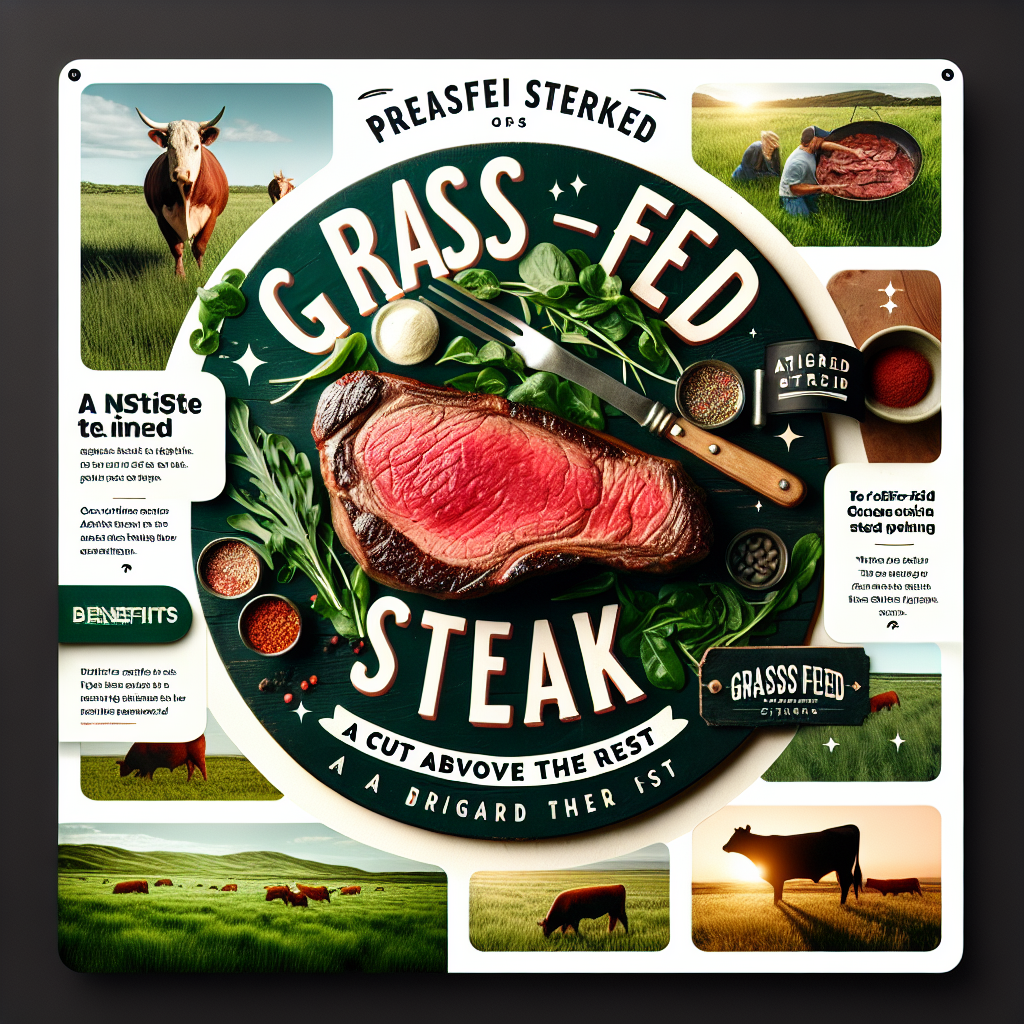
Grass-Fed Steak Benefits: A Cut Above the Rest
Introduction to Grass-Fed Steak
In recent years, the demand for grass-fed steak has surged as consumers become more aware of the health, environmental, and ethical advantages associated with this choice. Unlike conventionally raised beef, grass-fed steak comes from cattle that are raised on a natural diet of grass and forage, leading to a host of benefits for both the consumer and the environment. From improved nutritional content to better animal welfare, grass-fed steak truly stands out as a premium option for meat lovers. In this article, we will explore the myriad benefits of choosing grass-fed steak, making it a cut above the rest.

What is Grass-Fed Steak?
Grass-fed steak comes from cattle that have been raised on a natural diet of grass and forage for their entire lives. This is in contrast to grain-fed cattle, which are often fed a diet of corn and soy to accelerate weight gain. Grass-fed beef is known for its distinctive flavor and nutritional profile.
Nutritional Benefits of Grass-Fed Steak
Higher Omega-3 Fatty Acids
Grass-fed steak is significantly higher in omega-3 fatty acids compared to grain-fed beef. Omega-3s are essential fats that play a crucial role in heart health and brain function. Studies have shown that diets rich in omega-3s can help reduce inflammation and lower the risk of chronic diseases. For more information on the benefits of omega-3s, visit Healthline.
Rich in Antioxidants
Grass-fed beef contains higher levels of antioxidants such as vitamin E and beta-carotene. These antioxidants combat oxidative stress in the body and may help reduce the risk of certain diseases, including cancer. The increased levels of these nutrients are attributed to the cattle’s natural forage diet.
Lower in Total Fat
One of the significant benefits of grass-fed steak is that it is typically lower in total fat compared to its grain-fed counterpart. This can make it a healthier alternative for those watching their fat intake, while still providing a rich source of protein.
Environmental Impact
More Sustainable Farming Practices
Grass-fed beef is often produced using more sustainable farming practices. Cattle raised on pasture contribute to better soil health and can help sequester carbon in the ground. This form of agriculture encourages biodiversity and minimizes the reliance on chemicals and synthetic fertilizers.
Animal Welfare Considerations
Grass-fed cattle are typically raised in more humane conditions. They are allowed to roam freely in a pasture environment, which aligns more closely with their natural behaviors. This kind of farming approach often results in healthier animals and ultimately leads to better quality meat.
Flavor and Culinary Aspects
Distinctive Flavor Profile
Many people believe that grass-fed steak has a richer and more complex flavor than grain-fed beef. The diet of natural grasses offers unique flavor notes, making it a favorite for chefs and gourmets alike. It’s also known for having a firmer texture, which many prefer.
Cooking Tips for Grass-Fed Steak
When cooking grass-fed steak, it’s essential to note that it cooks faster due to its lower fat content. Here are some tips for the best results:
- Cook it on medium heat to avoid drying out.
- Let it rest for a few minutes after cooking to retain juices.
- Season simply to let the natural flavors shine.
Where to Buy Grass-Fed Steak
Finding high-quality grass-fed steak may be easier than you think. Many local farmers markets and specialty grocery stores offer a selection of grass-fed options. Additionally, online retailers provide convenient delivery services. Look for labels that specify “100% grass-fed” to ensure the authenticity of the product.
Conclusion
Whether you’re drawn to grass-fed steak for its health benefits, environmental impact, or flavor, it’s clear that this delicious cut of meat is a cut above the rest.
Health Benefits of Grass-Fed Steak
Higher Nutritional Value
Grass-fed steak is known to have a higher nutritional profile compared to grain-fed beef. It is rich in omega-3 fatty acids, which are beneficial for heart health, and has higher levels of antioxidants such as vitamin E and conjugated linoleic acid (CLA).
Lower in Unhealthy Fats
Grass-fed steak generally contains less total fat than grain-fed beef. This means fewer calories and a healthier option for those looking to manage their weight while still enjoying red meat.
Better Environmental Impact
The production of grass-fed beef is often more sustainable. Grass-fed grazing promotes healthier soils and better carbon sequestration, which can help combat climate change compared to conventional farming methods.
Animal Welfare Considerations
Grass-fed cattle usually have access to open pastures and are raised in more humane conditions. This approach often aligns with ethical considerations regarding animal husbandry.
Learn More
For more detailed information on the benefits and practices of grass-fed beef, check out the Grass-fed Wikipedia page.

FAQs About Grass-Fed Steak Benefits: A Cut Above the Rest
What is grass-fed steak?
Grass-fed steak comes from cattle that are raised on a natural diet of grass and forage, rather than being grain-fed. This method of raising cattle enhances the nutritional profile of the meat.
What are the nutritional benefits of grass-fed steak?
Grass-fed steak is often higher in omega-3 fatty acids, antioxidants, and vitamins such as Vitamin E and beta-carotene. It also tends to have lower levels of total fat compared to grain-fed beef.
Does grass-fed steak taste different?
Many people describe grass-fed steak as having a richer, more complex flavor compared to grain-fed beef. The taste can vary depending on the specific diet and environment of the cattle.
Is grass-fed steak better for the environment?
Grass-fed cattle typically require less input and contribute to a better ecological balance. They can promote pasture health and biodiversity while improving soil quality.
How does grass-fed beef affect animal welfare?
Grass-fed cattle tend to have more natural living conditions, as they roam freely and graze in pastures. This is generally considered more humane compared to conventional feedlot practices.
Are there any drawbacks to eating grass-fed steak?
While grass-fed steak can be more nutritious, it may also be more expensive and less widely available. Additionally, it may require different cooking methods due to its lower fat content.
How can I incorporate grass-fed steak into my diet?
Grass-fed steak can be enjoyed in various dishes, from simple grilled steaks to hearty stews. Look for high-quality sources to ensure you reap the full benefits.

Health Benefits
- Higher omega-3 fatty acids content
- Rich in antioxidants and vitamins
- Lower fat content compared to grain-fed beef
Environmental Impact
- Supports sustainable farming practices
- Reduces greenhouse gas emissions
- Promotes biodiversity in grazing areas
Flavor and Quality
- Distinctively rich and earthy flavor
- More marbling for improved texture
- Often considered superior in culinary applications
Animal Welfare
- Animals raised on natural diets
- Better living conditions on pasture
- Promotes humane treatment of livestock