




Contents
Stainless Steel Kettle Rust: What You Need to Know to Keep Your Kettle Safe
Stainless steel kettles are a popular choice for boiling water due to their durability and low maintenance. However, they are not immune to rust, which can be harmful to your health if not properly addressed. Here’s what you need to know to keep your stainless steel kettle rust-free:
- Use soft water: Hard water can cause rust to form more easily, so it’s important to use soft water when filling your kettle.
- Clean your kettle regularly: It’s a good practice to clean your kettle regularly, both inside and out. Use a non-abrasive cleaner and rinse thoroughly to prevent rust from forming.
- Don’t leave water in the kettle: If you won’t be using your kettle for a while, be sure to empty it completely. Leaving water in the kettle can cause rust to form.
- Don’t scratch the surface: Avoid using abrasive scrubbers or cleaning agents, as they can scratch the surface of your kettle and make it more prone to rust.
- Store your kettle properly: Store your kettle in a dry place when not in use. If you store it in a damp or humid environment, rust can form more easily.
By following these simple tips, you can keep your stainless steel kettle rust-free and ensure that you’re boiling water in a safe and healthy manner.
Stainless Steel Kettle Rust: What You Need to Know
Stainless steel kettles are a popular choice for boiling water because of their durability and ability to resist rust. However, despite their rust-resistant properties, stainless steel kettles can still develop rust, which can be harmful to your health. In this article, we’ll discuss what causes stainless steel kettle rust, the dangers it poses, and how you can prevent it from occurring in your kettle.
What Causes Stainless Steel Kettle Rust?
Stainless steel kettles can rust due to a variety of reasons, such as:
- Exposure to acidic or alkaline substances, such as vinegar or lemon juice
- Exposure to hard water or water with high mineral content
- Poor maintenance, such as not cleaning the kettle regularly
- Scratches or chips on the surface of the kettle
The Dangers of Stainless Steel Kettle Rust
Rust is a form of corrosion that occurs when iron, oxygen, and water interact. Rust can produce harmful compounds that can be toxic if ingested, such as lead and chromium. Ingesting rust particles can cause health problems such as:
- Stomach pain and cramping
- Nausea and vomiting
- Damage to the liver and kidneys
- Anemia
How to Prevent Stainless Steel Kettle Rust
Preventing stainless steel kettle rust is relatively easy and requires the following steps:
- Regularly clean your kettle with a non-abrasive cleaner
- Avoid using acidic or alkaline substances in your kettle
- Use filtered water to reduce the amount of minerals in the water
- Wipe your kettle dry after each use to prevent rust from forming
- Check your kettle regularly for scratches or chips and replace if necessary
Conclusion
Stainless steel kettles are a convenient and durable way to boil water, but they can develop rust if not properly maintained. Rust can be harmful to your health, so it’s important to understand what causes it and how to prevent it from occurring. By following the steps outlined in this article, you can keep your stainless steel kettle rust-free and ensure the safety of your drinking water.
Resources

FAQs about Stainless Steel Kettle Rust
What is stainless steel kettle rust?
Stainless steel kettle rust is a form of corrosion that occurs on the surface of a stainless steel kettle due to exposure to moisture, oxygen, and other environmental factors.
Is stainless steel kettle rust harmful?
While stainless steel kettle rust is not technically harmful to humans, it can alter the taste of the water and it is unsightly.
How can I prevent stainless steel kettle rust?
To prevent stainless steel kettle rust, always make sure to dry your kettle thoroughly after each use. Additionally, try to avoid leaving water sitting in your kettle for too long.
Can I remove stainless steel kettle rust?
Yes, you can remove stainless steel kettle rust using a variety of cleaning methods. One popular option is a mixture of baking soda and white vinegar, which can be applied to the rust with a soft cloth and then wiped away.
How often should I clean my stainless steel kettle?
It is a good idea to clean your stainless steel kettle on a regular basis, especially if you use it frequently. This will help prevent rust and keep your kettle looking its best.
Are there any special maintenance tips for stainless steel kettles?
Aside from keeping your kettle dry and clean, there are a few other things you can do to help maintain its quality. For instance, avoid using abrasive cleaning tools, and consider using filtered water when possible to help prevent mineral buildup.
What is a stainless steel kettle?
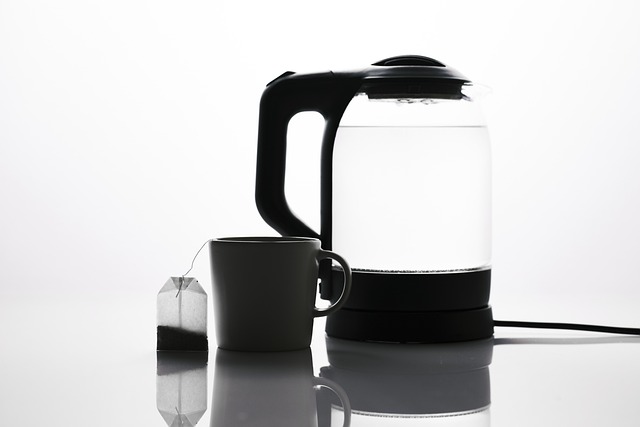
A stainless steel kettle is a popular kitchen appliance used for boiling water or other liquids. It is made of stainless steel which is an alloy of iron, chromium, and nickel. Stainless steel is known for its durability, resistance to corrosion, and easy cleaning.
Can stainless steel kettle rust?
Stainless steel can rust under certain conditions. Rust is a form of corrosion that occurs when the iron in the stainless steel reacts with oxygen and moisture in the air. However, stainless steel is usually resistant to corrosion because of the presence of chromium which forms a protective oxide layer on the surface of the metal.
Stainless steel kettles can rust if they are not cleaned properly or if they are exposed to corrosive substances such as salt, acid, or bleach. Hard water can also leave mineral deposits that can lead to rusting.
How to prevent stainless steel kettle from rusting?
- Wash the kettle regularly with mild soap and water.
- Avoid using abrasive sponges or harsh chemicals to clean the kettle.
- Remove mineral deposits by boiling water with vinegar or lemon juice.
- Dry the kettle thoroughly after each use to prevent moisture buildup.
By following these simple steps, you can keep your stainless steel kettle rust-free and looking good for years to come.
Conclusion
Stainless steel kettles are a durable and reliable kitchen appliance. Although they can rust under certain conditions, it can be prevented by proper care and maintenance. By following the tips mentioned above, you can ensure that your stainless steel kettle stays in top condition.
For further information on stainless steel and its properties, visit the Stainless Steel Wikipedia page.

Stainless Steel Kettle Rust: What You Need to Know to Keep Your Kettle Safe
What Causes Rust on Stainless Steel Kettles?
- Exposure to water and air
- Presence of salt, chlorine and other chemicals
- Prolonged exposure to acidic substances, like vinegar or lemon juice
How to Prevent Rust on Your Stainless Steel Kettle?
- Immediately dry your kettle after each use
- Store your kettle in a dry location
- Avoid using metal utensils that may scratch the surface of the kettle
- Avoid using harsh chemicals or abrasive cleaners
- Regularly clean your kettle with warm water and mild soap
What to Do If Your Stainless Steel Kettle Rusts?
- Try using a mixture of baking soda and water to gently scrub away the rust
- Use a stainless steel cleaner or polish to restore the shine of your kettle
- Consider replacing your kettle if the rusting is significant or affects the functionality