


Contents
From Sage to Thyme: The Secret Benefits of Adding Herbs to Your Soups
Are you tired of the same old soup flavors? Do you want to add some excitement and health benefits to your soups? Look no further than adding herbs! From sage to thyme, herbs can elevate any soup recipe and provide numerous health benefits.
Sage, known for its antibacterial properties, can help soothe a sore throat and ease inflammation. Thyme, with its high levels of antioxidants, can boost your immune system and aid in digestion. And these are just a couple of the many herbs that can enhance the flavor and nutritional value of your soups.
So why not experiment with adding herbs to your soups? Not only will your taste buds thank you, but your body will too.

Why Add Herbs to Your Soup?
Herbs have been used for centuries to add flavor and nutrition to dishes. Adding herbs to your soup not only enhances the taste but also provides numerous health benefits. Here are just a few reasons why you should consider adding herbs to your soup:
- Herbs contain antioxidants and anti-inflammatory compounds that help fight off free radicals and reduce inflammation in the body.
- Herbs are a great source of vitamins and minerals, including vitamin C, vitamin K, and iron.
- Herbs can aid in digestion and help calm the stomach. For example, ginger can help soothe nausea and mint can ease digestion.
Herbs to Add to Your Soup
While there’s a wide variety of herbs that can be used in soups, here are a few of our favorites:
- Thyme – Thyme has antiseptic properties and provides a unique flavor to soups.
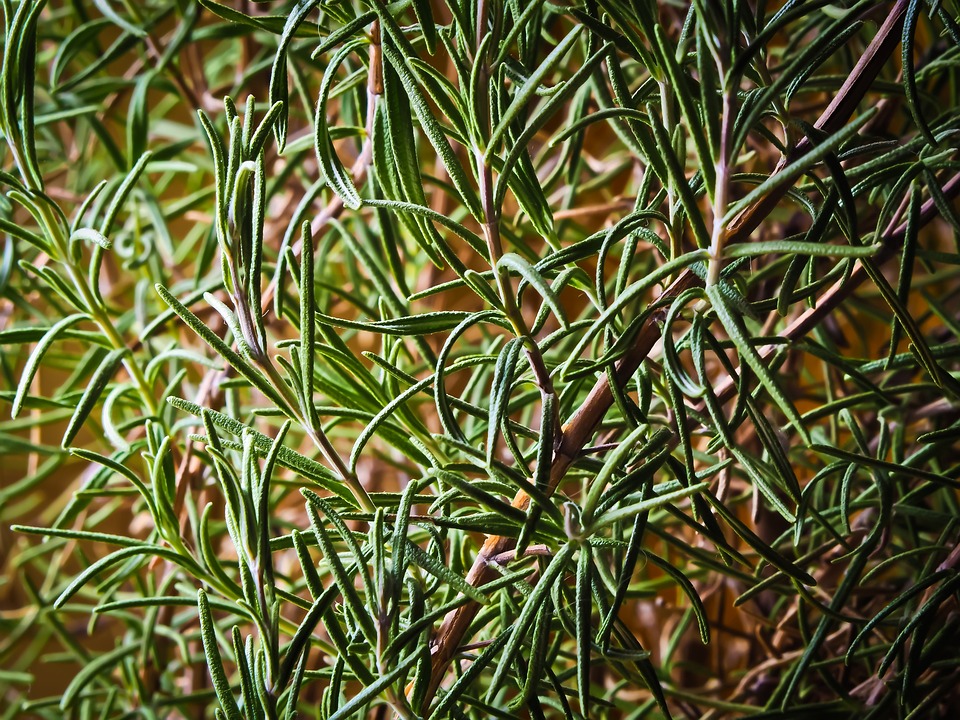
- Rosemary – Rosemary has anti-inflammatory properties and adds a robust flavor to soups.
- Sage – Sage is known for its ability to improve memory but also lends a savory taste to soups.
- Oregano – Oregano has antifungal and antibacterial properties and is a great addition to any soup.
- Basil – Basil is an excellent source of vitamin K, which helps with blood clotting, and can add a sweet and fragrant flavor to soups.
How to Add Herbs to Your Soup
The best way to add herbs to your soup is to do it towards the end of the cooking process. This allows the herbs to infuse into the soup without becoming overcooked and losing their flavor and nutrition. Here are a few tips:
- When using fresh herbs, be sure to chop them finely before adding them to the soup.
- If using dried herbs, use 1/3 of the amount you would use for fresh herbs as dried herbs are more concentrated in flavor.
- Add herbs to the pot towards the end of the cooking process and let them simmer for a few minutes to infuse their flavor into the soup.
Conclusion
If you want to take your soup to the next level in terms of flavor and nutrition, consider adding herbs to your next batch. With so many options to choose from, you can easily find an herb that complements your soup and provides unique health benefits.
Do you have a favorite herb that you like to add to your soup? Let us know in the comments below!

FAQs: From Sage to Thyme – The Secret Benefits of Adding Herbs to Your Soups
What are the benefits of adding herbs to my soups?
Adding herbs to your soups not only enhances the flavor but also provides several health benefits. Herbs like sage, thyme, parsley, and rosemary are rich in antioxidants and anti-inflammatory properties that help in boosting immunity, reducing inflammation, and improving digestion.
How can I add herbs to my soup?
You can add herbs to your soup by either using fresh herbs or dried herbs. Fresh herbs can be added towards the end of cooking, while dried herbs should be added at the beginning of cooking. You can also make a herb-infused oil or pesto and add it to your soup for an extra burst of flavor.
What are some herbs that pair well with different soups?
– For chicken soup, sage, thyme, parsley, and rosemary are a great combination.
– For tomato soup, basil and oregano are popular choices.
– For mushroom soup, tarragon and thyme add a great depth of flavor.
– For lentil soup, cumin and coriander are a great match.
Can I add too many herbs to my soup?
While herbs do add a lot of flavor to soups, it’s important not to overdo it. Adding too many herbs can overpower the other flavors in your soup, so it’s best to start with a small amount and taste as you go. It’s always easier to add more herbs later than to take them out if you’ve added too much.
Do herbs lose their flavor when cooked in soup?
Herbs do lose some of their flavor when cooked for a long time, so it’s best to add fresh herbs towards the end of cooking. Dried herbs can be added at the beginning and will infuse their flavor throughout the soup. Infusing herbs in oil or making a pesto can also help to boost their flavor in soup.

The Benefits of Using Herbs in Your Kitchen
Why You Should Include Herbs in Your Cooking
Using herbs in your kitchen not only adds wonderful flavors to your meals, but also provides numerous health benefits. Some popular herbs like basil, thyme, and oregano contains vitamins and minerals essential to human health.
Tips for Using Herbs in Your Cooking
– Use fresh herbs whenever possible for optimal flavor
– Add herbs towards the end of cooking to retain their fragrances
– Experiment with different herb combinations to discover unique flavors
– Store dried herbs in airtight containers in a cool, dark place
Popular Herbs to Use in Your Cooking
Rosemary: Known for its woody fragrance and its ability to enhance meat dishes.
Basil : An excellent herb used in Italian and Mediterranean dishes, comes in many varieties.
Parsley: Commonly used as a garnish, this herb is rich in vitamin K and can help support healthy bones.
Using a variety of herbs in your cooking can add flavor, nutritional value, and can have many health benefits. Experiment with different herbs in your kitchen, and you’ll be amazed at the results.
From Sage to Thyme: The Secret Benefits of Adding Herbs to Your Soups
- Herbs can enhance the taste and aroma of soups.
- Herbs have medicinal properties that can help with digestion, reduce inflammation, and boost immunity.
- Adding herbs to soups can also provide antioxidants that help fight against free radicals.
- Herbs like parsley and dill contain vitamins and minerals that can improve overall health.
- Rosemary and thyme have been found to improve brain function and memory.
- Basil and cilantro have antibacterial properties that can help fight infection.
Category – Pepper, Salt and Herbs







