

Contents
The Science Behind Salt: How Sea Salt and Table Salt React Differently in Cooking
Salt is a fundamental ingredient in cooking, not just for seasoning but also for its chemical properties that enhance the flavors of our food. However, not all salts are created equal.
Sea salt and table salt, while both primarily composed of sodium chloride, have distinct characteristics that influence their behavior in cooking. Understanding these differences can elevate culinary experiences,
as the size, texture, and mineral content of each type of salt can affect the taste, texture, and even the cooking process itself.
In this exploration, we will delve into the unique properties of sea salt and table salt, examining how they interact with ingredients and heat, and how to best utilize each type for optimal results in the kitchen.

The Basics of Salt: What Are Sea Salt and Table Salt?
Salt is a mineral composed primarily of sodium chloride (NaCl) and is essential for various culinary and health purposes. The two most common types of salt used in cooking are sea salt and table salt. While both provide the same basic flavoring, they can react differently based on their mineral content and processing methods.
Sea Salt vs. Table Salt
What is Sea Salt?
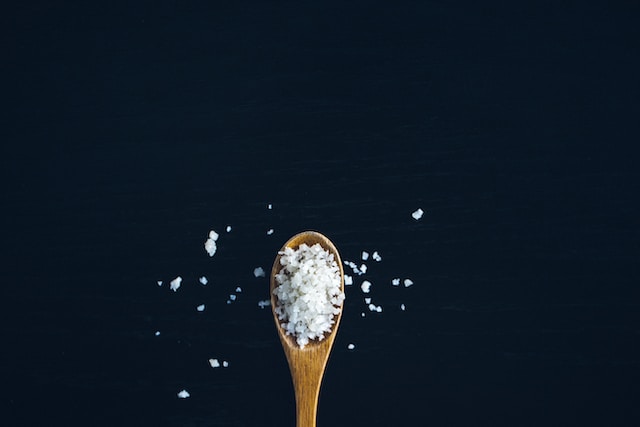
Sea salt is harvested from evaporated seawater and retains various minerals that can influence its flavor and texture. It tends to have larger crystals and a coarser texture, which can contribute to a more intense flavor when added to dishes.
What is Table Salt?
Table salt is mined from salt deposits and is usually processed to eliminate minerals, resulting in a fine, white texture. It often contains additives like iodine and anti-caking agents, which can affect its taste and behavior in cooking.
The Role of Texture in Cooking
The Crystal Size and Dissolution Rate
One of the primary differences between sea salt and table salt is their crystal size. Sea salt’s larger crystals dissolve more slowly than the finely ground table salt. This can lead to different outcomes in recipes where salt is mixed with liquid.
Flavor Delivery
Because of its larger crystals, sea salt can provide bursts of flavor that enhance certain dishes, such as grilled meats or roasted vegetables. In contrast, table salt can blend seamlessly into dishes but may result in a more uniform taste.
The Science of Cooking with Salt
How Salt Affects Boiling Points
Adding salt to water raises the boiling point, which can be beneficial when boiling pasta or vegetables, resulting in enhanced flavor absorption. This phenomenon is known as boiling point elevation and is due to the presence of dissolved ions in the water.
Salt in Baking
Salt plays a crucial role in baking by strengthening gluten structure and regulating yeast fermentation. When using sea salt, bakers may need to adjust the quantity due to its larger grain size, which can lead to inconsistent results if not accounted for.
Conclusion: Choosing the Right Salt for Your Cooking Needs
Ultimately, the choice between sea salt and table salt comes down to personal preference and the specific needs of a recipe. Understanding how each type of salt interacts with ingredients and the cooking process can make a significant difference in the overall flavor and texture of your dishes. For more detailed information on the science of salt and its culinary applications, visit Serious Eats.
FAQs About the Science Behind Salt
1. What is the primary difference between sea salt and table salt?
Sea salt is harvested from evaporated seawater and retains trace minerals, giving it unique flavors and textures. Table salt is typically mined from salt deposits and is often refined with added iodine and anti-caking agents.
2. How do sea salt and table salt differ in taste?
Sea salt tends to have a more complex flavor due to its mineral content, while table salt has a sharper, more straightforward saltiness due to its high purity.
3. Do sea salt and table salt dissolve differently in cooking?
Yes, sea salt crystals are often larger and coarser, meaning they can take longer to dissolve compared to the fine grains of table salt, affecting the seasoning process during cooking.
4. Can I substitute sea salt for table salt in recipes?
Yes, but adjustments may be necessary due to the different sizes and flavors. Generally, using less sea salt is advisable when substituting for table salt, and vice versa, depending on the recipe.
5. How do the mineral contents affect cooking?
The trace minerals in sea salt can add subtle flavor variations, enhancing dishes. In contrast, table salt’s purity provides a consistent saltiness that is easy to control in recipes.
6. Is there a difference in health benefits between sea salt and table salt?
Both types of salt provide sodium, which is essential for bodily functions. However, sea salt may contain small amounts of minerals beneficial for health. Nonetheless, moderation is key for both types.
7. When is it best to use sea salt versus table salt in cooking?
Use sea salt for finishing dishes, where its texture and flavor can shine. Table salt is perfect for baking and recipes requiring consistent measurements and rapid dissolution.
This HTML structure outlines an FAQ section discussing the different reactions of sea salt and table salt in cooking, with appropriate headings and responsive formatting.

Differences Between Sea Salt and Table Salt
When it comes to cooking, the choice between sea salt and table salt can significantly affect flavor and texture. Both salts are primarily composed of sodium chloride, but their sources and processing methods vary.
Source and Production
Sea salt is harvested from evaporated seawater, making it less processed and retaining trace minerals like magnesium and calcium. In contrast, table salt is mined from salt deposits and often refined to remove impurities, resulting in a more uniform texture.
Flavor Profile
Due to its natural minerals, sea salt often has a more complex flavor profile compared to the purer and more concentrated taste of table salt. Chefs tend to prefer sea salt for its ability to enhance dishes without overpowering them.
Culinary Uses
Sea salt is popular for finishing dishes, providing a crunchy texture and aesthetic appeal. Table salt is commonly used in baking due to its fine texture, which dissolves easily in mixtures. Understanding these differences can help in selecting the right salt for specific recipes.
Nutritional Aspects
While both salts contain sodium, sea salt may also provide trace minerals. However, these minerals are present in very small amounts. For more detailed information, you can refer to this Wikipedia page.
Conclusion
Ultimately, the choice between sea salt and table salt comes down to personal preference and the specific culinary application. Experimenting with different types can enhance your cooking and elevate flavors.
The Science Behind Salt: Sea Salt vs. Table Salt in Cooking
- Composition: Sea salt is harvested from evaporated seawater, while table salt is mined and often contains additives.
- Texture: Sea salt usually has larger, flakier crystals, giving a different mouthfeel compared to the fine granules of table salt.
- Flavor: Sea salt often has trace minerals that can enhance flavor; table salt is more neutral.
- Solubility: Table salt dissolves faster due to its smaller grains, making it ideal for quick cooking.
- Usage: Sea salt is often used as a finishing touch, while table salt is commonly used in cooking and baking.