Contents
How can herbs be used in everyday cooking?
Herbs have been used for centuries to enhance the flavor of food and for their medicinal properties. They are an essential part of everyday cooking, and can be used to add a touch of flavor to any dish. Whether you’re cooking vegetables, meat, or pasta, herbs can help you create a variety of flavors and aromas.
Using herbs in cooking is easy, and there are many ways to do it. For example, you can add fresh herbs to your salads, or use them to infuse your oils and dressings. Herbs such as parsley, rosemary, and thyme can be added to meat and fish dishes, while basil and oregano can be used in tomato-based pasta dishes.
Herbs also have many nutritional benefits. For example, parsley is rich in vitamin C and can help lower blood pressure, while basil is a good source of vitamin K and calcium. Herbs can also help to boost the immune system and promote overall health and well-being.
In conclusion, herbs are a versatile and nutritious addition to any kitchen. By using them in everyday cooking, you can add flavor and nutrition to your meals while also enjoying their many health benefits. So next time you’re in the kitchen, why not reach for some fresh herbs and get creative?

What are herbs?
Herbs are plants that are used for their culinary, medicinal, and aromatic properties. They are different from spices in that they are the leaves of the plant, while spices come from the roots, stems, flowers, or seeds of the plant. Herbs can be used fresh or dried, and they add flavor and depth to a wide range of dishes.
How can herbs be used in everyday cooking?
1. Flavoring dishes
Herbs can be used to add flavor to dishes. Fresh or dried herbs can be added to soups, stews, marinades, and sauces, to name a few examples. Some herbs that are commonly used for flavoring include basil, thyme, rosemary, parsley, and oregano.
2. Garnishing
Herbs can be used as a garnish to add visual appeal to a dish. Chopped fresh herbs can be sprinkled over salads, soups, and pasta dishes to add color and flavor. Some commonly used herbs for garnishing include chives, mint, and cilantro.
3. Infusing oils and vinegars
Herbs can also be used to flavor oils and vinegars. For example, fresh or dried rosemary and thyme can be added to olive oil to create an infused oil that can be used for cooking or as a dip for bread. Dried herbs can also be added to white or red wine vinegar to create an infused vinegar that can be used for dressing salads or marinating meats.
4. Making herb butter
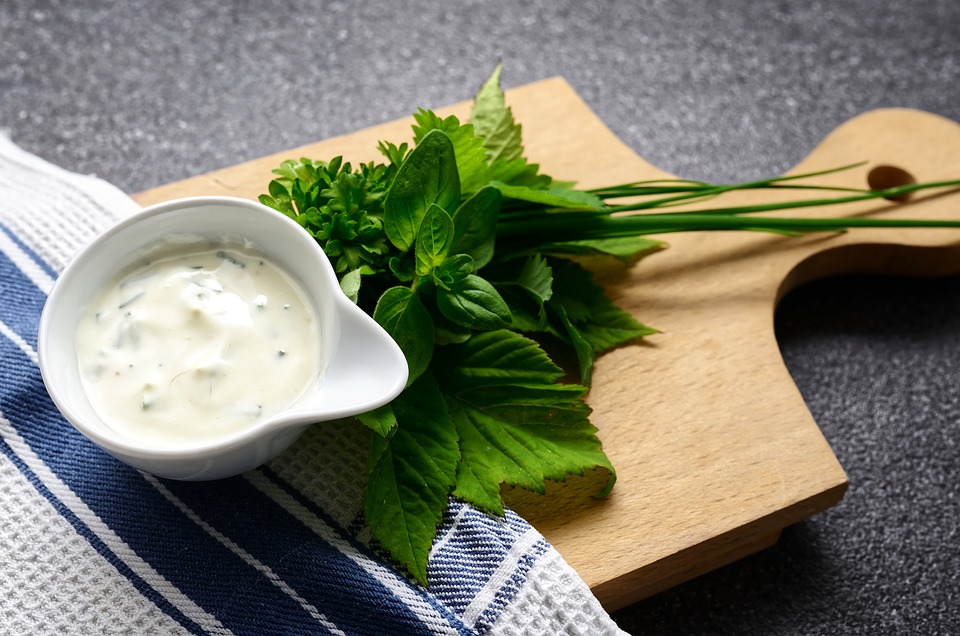
Herb butter is a delicious spread that can be used on bread, steak, vegetables, and more. To make herb butter, soften a stick of unsalted butter and mix in chopped fresh herbs like chives, tarragon, or basil. The butter can be kept in the fridge for several weeks.
5. Making herb blends
Herbs can be combined to make customized blends that add flavor to a variety of dishes. For example, Italian seasoning blends oregano, basil, and thyme, while herbs de Provence blends rosemary, thyme, and lavender. The blends can be added to soups, stews, and roasted meats.
Conclusion
Herbs are incredibly versatile and can be used to add flavor, color, and visual appeal to a wide range of dishes. By using fresh or dried herbs in everyday cooking, you can create delicious and nutritious meals that are full of flavor.
References

FAQs – How can herbs be used in everyday cooking?
Q: What are some common herbs used in everyday cooking?
A: Some common herbs used in everyday cooking include basil, rosemary, thyme, oregano, parsley, cilantro, and dill.
Q: How can I incorporate herbs into my dishes?
A: Herbs can be used in a variety of ways in everyday cooking. You can use them to season meats, fish, poultry, and vegetables. They can also be added to dressings, marinades, sauces, soups, stews, and pasta dishes.
Q: How do I know which herbs to use with which foods?
A: The flavor of different herbs will pair well with different foods. For example, basil goes well with tomatoes and mozzarella cheese, while rosemary is often used with roasted meat dishes. It’s best to experiment with different herbs and flavors to find what works best for your taste preferences.
Q: Can I use dried herbs instead of fresh herbs in my cooking?
A: Yes, you can use dried herbs in place of fresh herbs. However, dried herbs are more concentrated in flavor than fresh herbs, so you should use less when substituting them in recipes.
Q: What are the benefits of using herbs in cooking?
A: Herbs not only add flavor to dishes, but they also have health benefits. Many herbs contain antioxidants and anti-inflammatory properties, which are important for maintaining a healthy diet. Additionally, using herbs can help reduce the amount of sodium needed to flavor dishes, making them a healthier option for seasoning.

The Benefits of Growing Herbs in Your Kitchen
Why Choose Herbs?
Herbs are more than just a way to add flavor to your meals – they also come with a variety of health benefits. For example, basil has been shown to have antimicrobial properties, which can help protect against harmful bacteria. Mint can soothe an upset stomach, and rosemary has been linked to improved memory and cognitive function.
How to Start Your Own Herb Garden
Growing your own herbs in your kitchen is easy and requires minimal space. Choose a sunny windowsill or countertop and select herbs that are well-suited for indoor growing such as basil, parsley, and thyme.
Make sure you use well-draining soil and water your herbs when the top inch is dry. You can also fertilize your plants with natural products like worm castings or organic compost.
Recipes to Try With Fresh Herbs
Once you have your own herb garden in your kitchen, the possibilities are endless. Some popular herb-infused recipes include:
– Basil pesto pasta
– Mint chocolate chip ice cream
– Rosemary roasted chicken
– Parsley and lemon couscous
So why not start your own herb garden today and enjoy the delicious flavors and health benefits these plants have to offer?
To learn more about the benefits of herbs, visit the herb page on Wikipedia.
Ways to use herbs in everyday cooking
- Add herbs to salads for added flavor
- Use them to season meat, fish, and vegetable dishes
- Make herb-infused oils and vinegars for dressing and marinades
- Brew herbal teas for a refreshing drink
- Make herb butter to spread on bread or use in cooking
- Use herbs to make pesto, salsa, or hummus
- Dry herbs for later use in soups, stews or casseroles
Category – Pepper, Salt and Herbs