Contents
Herbs to Enhance Your Culinary Creations
Herbs are excellent ingredients for enhancing the overall taste and aroma of your culinary creations. These plants, which belong to the green leafy family, are not only flavorful but are also packed with nutrients and health benefits. Using herbs in your meals can help you reduce the amount of salt and artificial flavorings while adding unique tastes that can make your dishes stand out.
There are different herbs that you can use in your cooking, each providing a distinct flavor profile. For instance, chives can add a mild onion-like taste to your dishes. Rosemary, on the other hand, has a woody and piney aroma that mixes well with meat and potatoes. Basil, known for its fresh and sweet aroma, is a staple ingredient in Italian cuisine.
Herbs not only enhance the taste of your food, but they also provide numerous health benefits. Some common herbs have medicinal properties such as anti-inflammatory, anti-bacterial, and anti-cancer properties that can improve your overall well-being.
In conclusion, incorporating herbs into your culinary creations can add flavor and nutrition to your meals. Experiment with different herbs to find your favorite flavors and discover new ways to spice up your dishes.

Introduction
Cooking with herbs can enhance the flavor and aroma of your dishes, taking them to a new level. Herbs not only add a depth of flavor to your culinary creations but they also have numerous health benefits. Incorporating herbs in your cooking can improve digestion, boost immunity and even reduce inflammation. Here are some of the most commonly used herbs in cooking and their benefits.
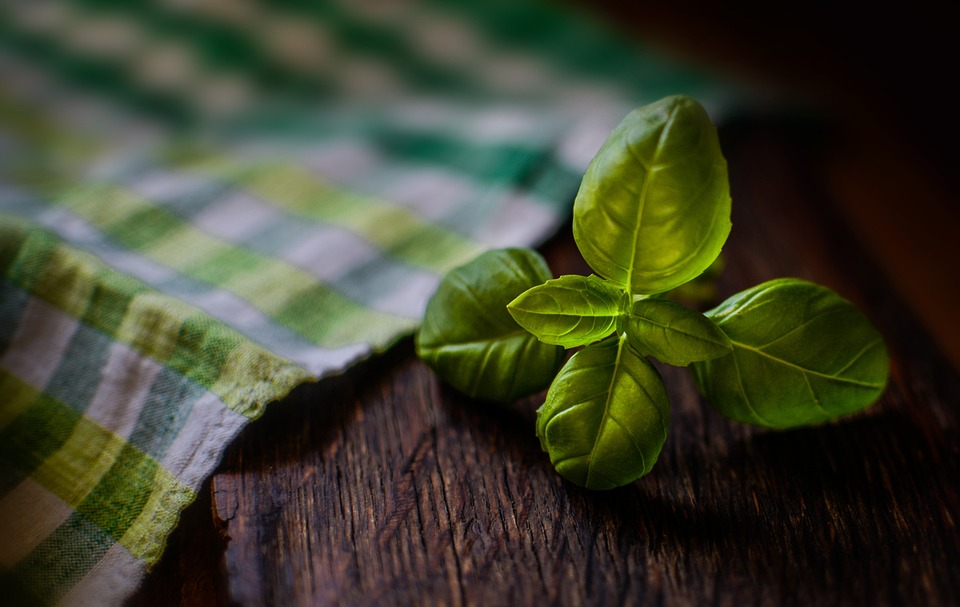
Basil

Benefits:
- Rich source of antioxidants and anti-inflammatory compounds
- Improves digestion
- Can help lower blood pressure and reduce risk of heart disease
Uses:
- Commonly used in Italian cuisine such as pasta sauces, pizza and caprese salad
- Can be used in soups, stews and even in fruit salads
Parsley

Benefits:
- Rich in vitamins A, C and K
- Contains minerals such as iron, magnesium and calcium
- Can help improve digestion and freshen breath
- Has anti-inflammatory properties
Uses:
- Commonly used in Mediterranean cuisine such as tabbouleh and as a garnish for meat dishes
- Can be used to flavor soups, stews and even smoothies
Oregano

Benefits:
- Rich in antioxidants
- Has anti-bacterial properties
- May help improve gut health
Uses:
- Commonly used in Greek and Italian cuisine such as tomato-based sauces, pizza and meat dishes
- Can be used to flavor roasted vegetables, soups and stews
Rosemary

Benefits:
- Rich in antioxidants and anti-inflammatory compounds
- May help improve digestion
- Has been shown to have cognitive benefits and improve memory retention
Uses:
- Commonly used in Mediterranean cuisine such as roasted meats, potatoes and even cocktails
- Can be used in soups, stews and even in baked goods
Conclusion
Adding herbs to your culinary creations not only enhances the flavor and aroma of your dishes, but it also brings numerous health benefits. Experimenting with herbs in your cooking can not only make your dishes more interesting but can also improve your overall health and wellbeing.
References:
- https://www.medicalnewstoday.com/articles/266425
- https://www.healthline.com/nutrition/10-healthy-herbs-and-spices
- https://www.medicalnewstoday.com/articles/266515

Frequently Asked Questions
What are some common herbs used in cooking?
Some common herbs used in cooking include basil, thyme, rosemary, oregano, parsley, cilantro, and dill. These herbs can add a lot of flavor and aroma to dishes.
Are there any herbs that should be avoided in cooking?
Some herbs, like tarragon and marjoram, have a very strong flavor that may not be suitable for every dish. It’s also important to make sure that you are using fresh herbs, as dried herbs can lose their flavor over time and become bitter.
How can I incorporate herbs into my cooking?
Herbs can be used in a variety of ways in cooking. They can be added fresh to dishes like salads or used to flavor soups and stews. They can also be used to make sauces and marinades or used to infuse oils and vinegars.
What are some herbs that pair well with specific foods?
Basil is often paired with tomatoes and is used in many Italian dishes. Thyme pairs well with chicken and is used in many French dishes. Rosemary is often used in lamb dishes, and sage is a popular herb for stuffing. Cilantro is commonly used in Mexican and Asian dishes.
Are there any health benefits to using herbs in cooking?
Yes, many herbs have health benefits. For example, rosemary has been shown to improve memory and concentration, and turmeric has anti-inflammatory properties. Garlic and ginger are also known for their immune-boosting properties.

Herbs Kitchen: Discovering the Benefits of Adding Herbs to Your Dishes
Herbs are generally considered as some of the most important ingredients in cooking. They add flavor, aroma, and color to any dish, which makes it more appetizing to eat. In the kitchen, you will want to have an assortment of herbs, whether you grow them yourself or buy them from the market. In this article, we will be discussing the benefits of adding herbs to your dishes and the specific herbs you can use in your kitchen.
The Benefits of Adding Herbs to Your Dishes
There are plenty of reasons why you should add herbs to your dishes. Here are some of the benefits you can enjoy:
- Herbs are packed with antioxidants and other essential nutrients, which can help boost your immune system and improve your overall health.
- Herbs can enhance the flavor of your dishes, making them more delicious and satisfying.
- Many herbs have anti-inflammatory properties, which can help reduce the risk of chronic diseases such as cancer, heart disease, and diabetes.
- Herbs can also help in reducing stress and anxiety, which can have a positive impact on your mental health.
The Best Herbs to Use in Your Kitchen and How to Use Them
Here are some of the best herbs you can use in your kitchen and how to use them:
- Basil – This is one of the most commonly used herbs in the kitchen, and it’s perfect for adding to pasta sauces, pizzas, and salads.
- Parsley – This herb adds a refreshing and vibrant flavor to any dish. You can use it to garnish soups, stews, and salads.
- Thyme – Thyme is a popular herb for adding flavor to roasted vegetables, meats, and soups.
- Chives – These herbs are perfect for adding a mild onion flavor to any dish. You can use them in salads, mashed potatoes, and soups.
It’s important to remember that herbs should be used sparingly, as they can easily overpower the dish’s flavor. You can add them at the beginning of the cooking process, or near the end, depending on the dish you’re preparing.
If you want to learn more about herbs and their uses, you can check out this herb page on Wikipedia.
In conclusion, adding herbs to your kitchen is a great way to add flavor, color, and nutrients to your dishes. With so many herbs to choose from, you can experiment and find the perfect combination that suits your preferences. Get creative with your dishes and discover the wonders of herbs in your kitchen! So, let’s bring new herbs to our kitchen and make our meal healthy and tasty.
Herbs to Enhance Your Culinary Creations
- Basil – adds a fresh and peppery flavor to tomato-based sauces or as a topping on pizzas
- Oregano – complements Italian dishes, tomato sauces, and roasted vegetables
- Thyme – pairs well with chicken, pork, and fish dishes, as well as roasted vegetables
- Rosemary – adds a woody and pine-like flavor to roasted meats and potatoes
- Cilantro – commonly used in Mexican and Asian cuisine, and pairs well with lime and chili flavors
- Mint – adds a refreshing flavor to desserts, beverages, and savory dishes such as lamb or peas
- Parsley – adds a fresh and bright flavor to salads, soups, and sauces
- Sage – pairs well with poultry, pork, and sausage dishes, as well as buttery sauces and stuffing recipes
- Chives – adds a mild onion flavor to egg dishes, potatoes, and soups
Category – Pepper, Salt and Herbs