Contents
Herb Gardening 101: A Beginner’s Guide to Growing Your Own Kitchen Herbs
Herbs are versatile plants that are typically used for their culinary, medicinal, or aromatic properties. Not only do they add flavor and color to our dishes, but they also carry numerous health benefits. With herb gardening becoming increasingly popular, growing your own kitchen herbs has never been easier or more rewarding.
Whether you’re a seasoned gardener or a newbie, this beginner’s guide will help you get started with herb gardening. From selecting the right herbs to preparing the soil, here you’ll find everything you need to know to successfully grow your own herbs.

What is Herb Gardening?
Herb gardening refers to the process of growing young plants of specific herbs for household use. These herbs can be used in culinary, or for their medicinal properties, which makes herb gardening an excellent precursor to a healthy home.
Types of Herbs to Grow
There are different types of herbs to grow in your garden. These herbs have different properties, and they serve different purposes.
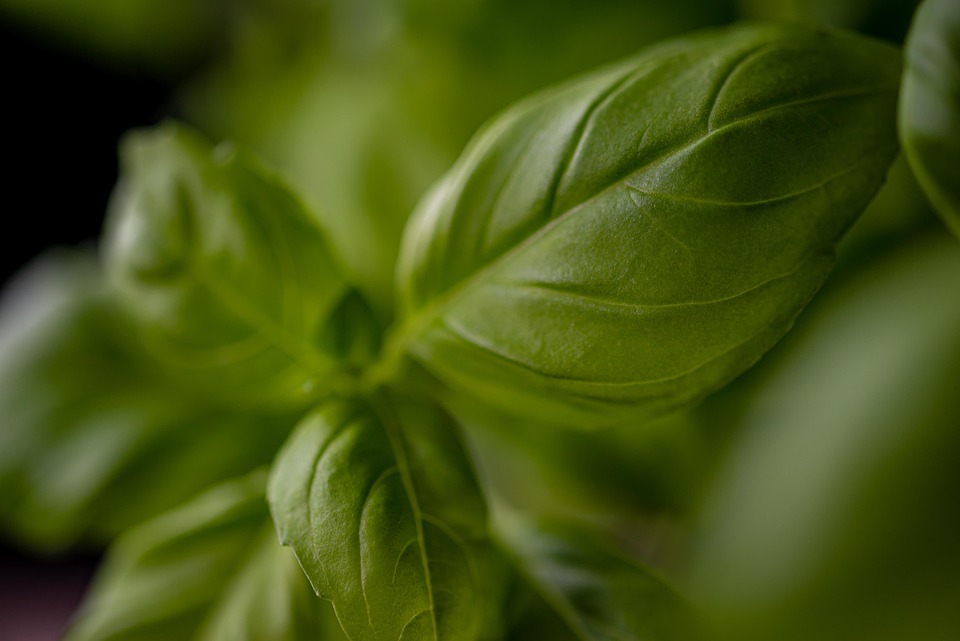
- Basil: This is an herb that is used in cooking. You can use it to make sauces or pesto. Basil also has medicinal properties that soothe digestion problems.
- Mint: Mint has a refreshing aroma and is perfect for making tea. It can also be used in cooking to add flavor to dishes. Mint also has soothing properties that help in relieving digestive problems.
- Cilantro: Cilantro is an herb that is commonly used in cooking. It adds a refreshing taste to food and is commonly used in salsa.
- Thyme: This is an herb that is prized for its aroma. It’s perfect for adding flavor to stews and soups.
How to Grow Your Own Kitchen Herbs
Growing your herbs is easy, and you can do it regardless of the space you have. Whether you have a balcony, terrace, or yard, you can grow your herbs. Here’s how to grow your kitchen herbs:
- Decide on the herbs to grow: Consider the types of herbs that grow best in your area and select the herbs that you will grow based on their properties.
- Prepare the soil: Herbs require well-drained, loamy soil to grow. Mix potting soil with perlite to create the ideal growing conditions.
- Plant the herbs: Plant your herbs in an appropriate container or in your garden. Ensure that your container has drainage holes for water to escape, and the soil is no more than an inch below the rim.
- Water the herbs: Herbs require regular watering, and you should water them when the soil is dry an inch below the surface.
- Harvest the herbs: When the herbs are ready, you can harvest them by cutting the leaves using garden scissors.
Conclusion
Herb gardening is a fun and rewarding hobby. With the right tools and knowledge, you can grow your herbs at home and enjoy fresh herbs in your cooking.
If you’re new to herb gardening, we recommend learning from other resources, such as The Spruce and Gardening Know How.

Frequently Asked Questions about Herb Gardening 101
What is Herb Gardening?
Herb gardening is the practice of cultivating and growing herbs in your garden for culinary, medicinal, or ornamental purposes. It involves using specific techniques and methods to maintain healthy, thriving plants, including proper soil, watering, and pruning.
Why Should I Start an Herb Garden?
Growing your own herbs has many benefits, such as:
- Having fresh herbs readily available for cooking and seasoning meals
- Saving money on buying expensive herbs at the grocery store
- Using herbs for medicinal purposes or natural remedies
- Adding natural beauty to your outdoor space
What Herbs are Best for a Beginner’s Garden?
Some easy-to-grow herbs, perfect for beginners include:
- Basil
- Mint
- Chives
- Parsley
- Thyme
- Rosemary
What are Some Tips for Growing Herbs?
Here are some tips to successfully grow herbs:
- Choose a sunny, well-drained spot in your garden or use containers
- Use high-quality potting soil or compost
- Water regularly, but be careful not to overwater
- Prune regularly to promote healthy growth
- Fertilize occasionally with organic fertilizers
Can I Harvest My Herbs?
Yes! Harvesting your herbs is encouraged as it promotes bushier growth and more flavorful herbs. For best results, harvest in the morning before the sun is high and the plants are at their peak oil content.
What Can I Do With My Harvested Herbs?
The possibilities are endless! Use them fresh in cooking or dry them for later use. Herbs can also be infused into oils, vinegars, or made into teas or tinctures.

The Benefits of Growing Herbs in Your Kitchen
Herbs are not only great for cooking, but they also have a range of benefits to your health and wellness. By growing your own herbs in your kitchen, you can reap these benefits without having to venture out to the grocery store.
Reduce Stress and Anxiety
Many herbs, such as lavender, chamomile, and lemon balm, have calming properties that can help reduce stress and anxiety. Having these herbs in your kitchen can create a relaxing environment and help you unwind after a long day.
Improve Digestion
Herbs like peppermint, ginger, and fennel can help improve digestion and alleviate stomach discomfort. By adding these herbs to your meals, you can support healthy digestion in a natural way.
Boost Immunity
Several herbs, such as thyme, oregano, and garlic, have antimicrobial and antibacterial properties that can help boost your immune system. Incorporating these herbs into your meals can help prevent illness and support overall wellness.
By growing herbs in your kitchen, you can add fresh flavor to your meals while also enjoying their health benefits. To learn more about the different types of herbs and their uses, check out Wikipedia’s Herb page.
Herb Gardening 101: A Beginner’s Guide to Growing Your Own Kitchen Herbs
- Choose a sunny spot for your herb garden
- Select herbs based on your cooking preferences and climate
- Prepare the soil by mixing compost and ensuring good drainage
- Plant your herbs and water them regularly
- Prune your herbs to promote growth and prevent overcrowding
- Harvest your herbs throughout the growing season and store them properly
- Consider using raised beds or containers for easier maintenance
- Experiment with different herbs and enjoy the benefits of fresh, flavorful herbs in your cooking
Category – Pepper, Salt and Herbs