Contents
What are some non-culinary uses for kitchen herbs?
Kitchen herbs are not only great for enhancing the flavor of your dishes but also have various non-culinary uses that are worth exploring. Here are some surprising non-culinary uses for kitchen herbs:
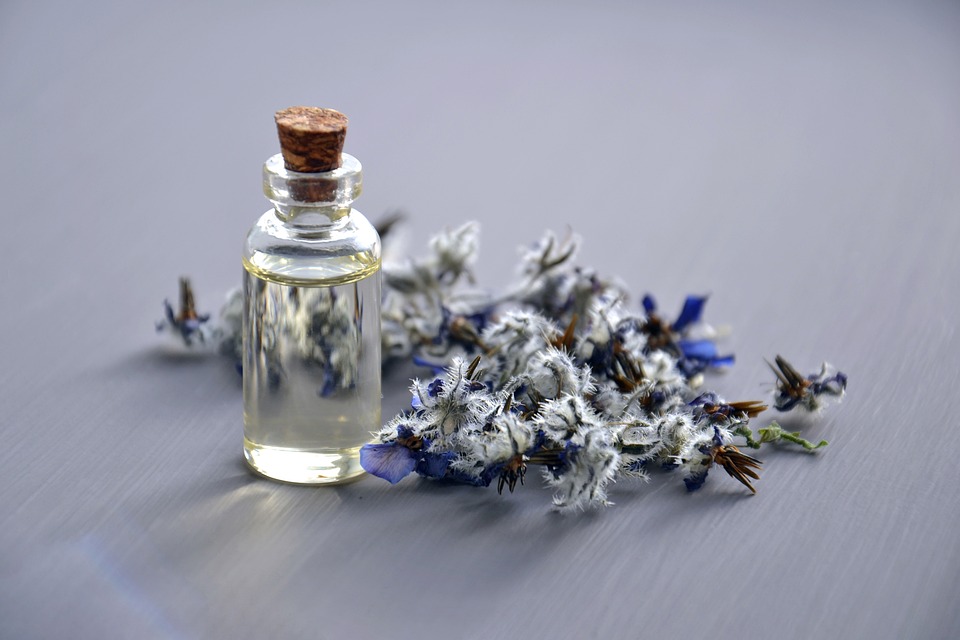
- Aromatherapy: Essential oils extracted from kitchen herbs like lavender, peppermint, and rosemary can be used for aromatherapy to promote relaxation and reduce stress.
- Natural Cleaning: Herbs such as lemon balm, thyme, and tea tree oil have antibacterial properties that make them great natural cleaning agents.
- Decorative: Fresh herbs like basil, rosemary, and mint can be used as decorative elements to add a pop of color and fragrance to your home.
- Medicinal: Some kitchen herbs like chamomile, ginger, and turmeric have medicinal benefits and are used in natural remedies to treat various health issues.
- Insect Repellent: Herbs like citronella, lemongrass, and basil have insect-repelling properties and can be used to ward off mosquitoes and other bugs.
So, the next time you have some extra kitchen herbs lying around, don’t throw them out. Instead, try some of these non-culinary uses and see how they can enhance your life beyond the kitchen.

Introduction
Kitchen herbs are commonly used in cooking to add flavor and aroma to dishes. However, they also have uses beyond the kitchen. In this blog post, we will explore some non-culinary uses for kitchen herbs.
Health Benefits
Herbal Teas
Herbal teas have been used for centuries to promote good health and wellbeing. Herbs such as chamomile, peppermint, and ginger are known to have calming and soothing effects, making them perfect for relaxation and stress relief. Other herbs, such as echinacea and elderberry, are valued for their immune-boosting properties.
Aromatherapy
Essential oils extracted from kitchen herbs are commonly used in aromatherapy. Lavender, for example, is known to have calming effects and helps relieve anxiety, insomnia, and depression. Rosemary is believed to stimulate memory and concentration, while peppermint is often used for headaches and nausea.
Beauty Products
Herbal Infused Oils
Herbal infused oils are used in skincare products and hair treatments. The oils are typically made by steeping dried herbs in carrier oils such as jojoba or almond oil. Calendula is known to possess anti-inflammatory properties and is often used in products formulated for sensitive skin. Rosemary and thyme can be used in hair treatments to promote hair growth.
Herbal Baths
Herbs such as lavender, chamomile, and rose petals can be added to a warm bath for a relaxing soak. These herbs have calming and soothing properties and can help reduce stress and anxiety. Epsom salts can also be added for additional benefits as they help soothe sore muscles and detoxify the body.
Household Uses
Natural Cleaners
Kitchen herbs can be used to make natural cleaners that are safe for both you and the environment. Rosemary and thyme, for example, are known for their antibacterial properties and can be used to make a homemade cleaning spray. Lemon balm and lavender can also be used in natural cleaners and give a fresh scent to your home.
Pest Control
Herbs such as peppermint, basil, and rosemary are natural insect repellents. They can be used to repel ants, flies, and mosquitoes. You can plant these herbs in your garden or keep them in pots around your home to keep annoying insects at bay.
Conclusion
Kitchen herbs are incredibly versatile and can be used for many non-culinary purposes. From health and beauty benefits to household uses, there are many ways to incorporate these herbs into your daily life. So next time you buy a bunch of herbs for your kitchen, remember that they have many other uses beyond cooking!
Sources
- Medical News Today – Herbal Teas
- ScienceDirect – Aromatherapy using essential oils
- Healthline – Calendula
- Healthline – Herbal Infused Oils for Hair
- PubMed – Lavender and the Nervous System
- The Spruce – Herbs That Repel Mosquitoes and Fleas

FAQs about Non-Culinary Uses for Kitchen Herbs
What are some non-culinary uses for kitchen herbs?
There are several non-culinary ways to use kitchen herbs, such as:
- Making herbal teas and infused waters
- Creating homemade skincare products and hair masks
- Making herbal sachets and potpourri for scenting your home
- Using herbs for natural cleaning products
- Creating insect-repelling sprays and sachets with herbs
What are some popular herbs used for non-culinary purposes?
Some popular herbs used for non-culinary purposes include:
- Lavender for its calming and relaxing properties
- Peppermint for its invigorating scent and digestive benefits
- Rosemary for its stimulating effects and ability to improve memory
- Chamomile for its soothing properties and use in skincare
- Thyme for its antiseptic and anti-inflammatory properties
How can I use kitchen herbs for skincare?
You can use kitchen herbs for skincare by infusing them into carrier oils or making herbal teas and using them as a base for homemade skincare products. For example, you can make a chamomile-infused oil to use as a facial moisturizer or a rosemary-infused vinegar for scalp treatments. There are many recipes and guides available online for incorporating herbs into your skincare routine.

Herbs in the Kitchen: A Guide to Elevating Your Cooking
What are long tail keywords?
Long tail keywords are phrases that are made up of three or more words and are very specific to a particular topic. They are used in SEO (Search Engine Optimization) to rank higher on search engine results. In this article, we will be discussing the long tail keyword related to herbs in the kitchen.
Herbs Kitchen
Herbs play a vital role in enhancing the flavor of food. They have been used in cooking for centuries and are an essential part of all cuisines. Herbs have the ability to elevate a dish from ordinary to extraordinary. They not only add flavor but also have several health benefits. Hence, having a herb garden in your kitchen is a great idea.
The benefits of herbs
Herbs are packed with antioxidants, vitamins, and minerals. Different herbs have different health benefits. For example, parsley is known to aid digestion, while thyme can help reduce inflammation. Including herbs in your diet can help boost your immunity and help prevent various diseases.
Herbs that you must have in your kitchen
1. Basil – Used in Italian cuisine, it has a sweet, strong taste.
2. Rosemary – Used in Mediterranean cuisine, it has woody, pine-like flavor.
3. Thyme – Used in French cuisine, it has a strong, herbal taste.
4. Oregano – Used in Italian and Mexican cuisine, it has a strong, slightly bitter taste.
Conclusion
Incorporating herbs in your kitchen is an excellent way of enhancing the flavor of your food and reaping the benefits of their nutritional value. So, do not hesitate to start your own herb garden in your kitchen and make your dishes stand out.
Outbound link:
If you want to learn more about different herbs and their uses, you can visit the following page on Wikipedia:
List of culinary herbs and spices
What are some non-culinary uses for kitchen herbs?
- Herbal tea blends for relaxation and health benefits
- Homemade potpourri or sachets for natural fragrance in the home
- Herbal bath salts or scrubs for skin care
- Infused oils for massage or aromatherapy
- Natural bug repellents or insecticides
- Herbal remedies for common ailments like headaches, colds, and digestive issues
- Herb-infused room sprays for freshening up living spaces
- Herb gardening for stress relief and indoor or outdoor decor
Category – Pepper, Salt and Herbs