Contents
A Rust-Free Brew: Essential Tips to Maintain Your Stainless Steel Kettle
A Rust-Free Brew: Essential Tips to Maintain Your Stainless Steel Kettle
Why Stainless Steel Kettles Are Popular Among Brewers
Stainless steel kettles have become a staple in the brewing community. Their durability, heat conductivity, and resistance to corrosion make them an ideal choice for both novice and experienced brewers. However, like any brewing equipment, proper maintenance is crucial to ensure a long lifespan and rust-free performance. Here are some essential tips to keep your stainless steel kettle in top-notch condition:
Cleaning and Dealing with Stains
Regular cleaning is essential to prevent any residue or mineral buildup that could lead to rust. After each use, clean your stainless steel kettle with warm soapy water and a soft sponge or cloth. Avoid using abrasive cleaners or steel wool as they can scratch the surface. For stubborn stains, you can utilize a mixture of vinegar and water or a specialized stainless steel cleaner. Make sure to rinse thoroughly and dry your kettle completely before storing.
Removing Rust Spots
If you notice any rust spots on your kettle, act quickly to prevent further damage. One effective method to remove rust is by creating a paste using baking soda and water. Apply the paste on the rusty areas and gently scrub with a non-abrasive sponge or cloth. Rinse thoroughly and dry. For more severe rust, you might need to use a commercial rust remover specifically designed for stainless steel surfaces.
Preventing Rust from Forming
Prevention is key to maintaining a rust-free stainless steel kettle. Here are some preventive measures you can take:
- Always dry your kettle thoroughly after cleaning to prevent moisture buildup.
- Avoid using harsh or abrasive cleaning agents and tools that can damage the stainless steel surface.
- If you use a dishwasher, ensure your kettle is dishwasher-safe and place it on the top rack.
- Avoid leaving acidic substances, such as vinegar or citrus juice, in the kettle for extended periods.
- Consider using a kettle with a tri-ply or encapsulated bottom, which provides enhanced heat distribution and prevents hot spots.
Additional Tips for Maintaining Your Stainless Steel Kettle
Here are some additional tips to keep your stainless steel kettle in optimal condition:
- Regularly check the kettle’s handles, spout, and lid to ensure they are securely attached.
- Store your kettle in a dry and well-ventilated area.
- Avoid stacking heavy objects on top of your kettle to prevent dents or deformations.
- If using an electric stainless steel kettle, make sure to read and follow the manufacturer’s instructions for cleaning and maintenance.
Conclusion
By following these essential tips, you can enjoy a rust-free brew and prolong the lifespan of your stainless steel kettle. Regular cleaning, prompt rust removal, and preventive measures will ensure a reliable and efficient brewing experience for years to come.
For more brewing tips and advice, visit Homebrewers Association.

FAQs: A Rust-Free Brew – Essential Tips to Maintain Your Stainless Steel Kettle
Q: How often should I clean my stainless steel kettle?
A: It is recommended to clean your stainless steel kettle after every use to prevent the buildup of mineral deposits and other contaminants.
Q: What should I use to clean my stainless steel kettle?
A: Use a non-abrasive cleaner specifically formulated for stainless steel. Avoid using harsh chemicals or scrubbing pads that can damage the surface.
Q: How do I remove stubborn stains or discoloration from my kettle?
A: For stubborn stains or discoloration, create a paste using baking soda and water. Apply the paste to the affected area and let it sit for a few minutes before gently scrubbing with a soft cloth or sponge.
Q: Can I use vinegar to clean my stainless steel kettle?
A: Yes, vinegar is an effective natural cleaner for stainless steel. Dilute white vinegar with water and use it to remove mineral deposits or hard water stains. Be sure to rinse the kettle thoroughly after using vinegar.
Q: How do I prevent rust on my stainless steel kettle?
A: To prevent rust, avoid using abrasive cleaners or scrubbing pads that can scratch the surface of the kettle. Additionally, make sure to thoroughly dry the kettle after cleaning and store it in a dry place.
Q: Can I use steel wool to clean my stainless steel kettle?
A: It is not recommended to use steel wool as it can scratch and damage the surface of the stainless steel. Opt for a soft cloth or sponge instead.
Q: What should I do if my stainless steel kettle develops rust?
A: If your stainless steel kettle develops rust, mix equal parts of baking soda and water to form a paste. Apply the paste to the rusted area and let it sit for a few hours. Then, scrub the area gently with a soft cloth or sponge. Rinse thoroughly and dry the kettle before use.
Q: Can I use bleach to clean my stainless steel kettle?
A: It is not recommended to use bleach on stainless steel as it can damage the surface and cause discoloration. Stick to gentle cleansers specifically designed for stainless steel.
Q: Are there any specific care instructions for electric stainless steel kettles?
A: Electric stainless steel kettles may have additional care instructions provided by the manufacturer. It is best to refer to the user manual or manufacturer’s guidelines for proper care and maintenance.
Q: How long can I expect my stainless steel kettle to last?
A: With proper care, a stainless steel kettle can last for many years. Regular cleaning, gentle handling, and drying after each use will help extend its lifespan.
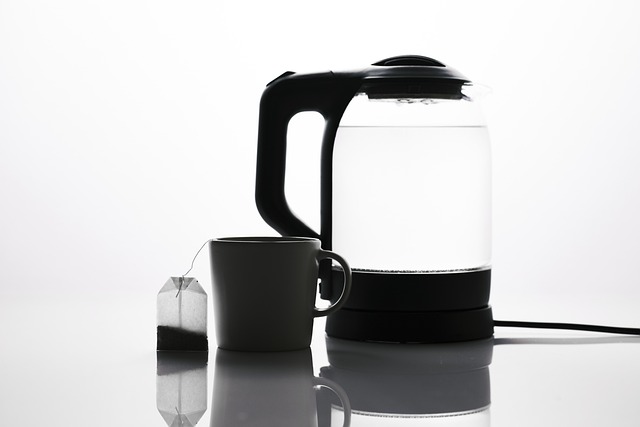
Why is Preventing Rust in Stainless Steel Kettles Important?
Stainless steel kettles are a popular choice for boiling water due to their durability and sleek design. However,
over time, they are susceptible to rusting which can not only affect their appearance but also impact the
quality of the water. Understanding how to prevent stainless steel kettles from rusting is essential in
maintaining their functionality and longevity.
1. Regular Cleaning
One of the primary causes of rust in stainless steel kettles is the buildup of mineral deposits and residues.
To prevent this, it is crucial to clean your kettle regularly. Start by rinsing it with warm water after every
use. For stubborn stains or mineral deposits, create a mixture of equal parts water and vinegar and gently scrub
the affected areas with a soft cloth or sponge. Rinse thoroughly afterward to remove any residue.
2. Drying and Storage
After cleaning your stainless steel kettle, ensure it is completely dry before storing it. Leftover moisture can
contribute to rust formation. Wipe the exterior and interior of the kettle using a clean, dry cloth. Leave the
lid off and allow it to air dry thoroughly. Once dry, store the kettle in a cool, dry place to minimize
exposure to humidity.
3. Avoid Abrasive Cleaners
When cleaning your stainless steel kettle, it is important to avoid using abrasive cleaners or scrubbing tools.
These can scratch the surface of the kettle, making it more susceptible to rusting. Stick to gentle cleaning
methods such as using mild dish soap, warm water, and non-abrasive cloths or sponges.
4. Use Filtered Water
The quality of water used in your kettle can also affect its susceptibility to rusting. Hard water, which is
high in mineral content, can cause mineral deposits to accumulate more rapidly. Consider using filtered or
purified water to reduce mineral buildup and prolong the life of your stainless steel kettle.
5. Regular Inspections
To catch any early signs of rust, it is important to inspect your stainless steel kettle regularly. Pay
attention to the bottom, spout, and the interior of the kettle. If you notice any spots or discoloration, take
immediate action to prevent further rusting. Follow the cleaning steps mentioned earlier or consult the kettle
manufacturer’s guidelines for specific care instructions.

Tips for Maintaining Your Stainless Steel Kettle
-
Proper Cleaning
- Use mild dish soap and warm water for regular cleaning
- Avoid abrasive cleaners or scrubbing tools that can damage the stainless steel surface
- Rinse thoroughly to remove any residue
-
Drying and Handling
- Always dry your kettle thoroughly after cleaning to prevent water spots and potential rust formation
- Avoid placing wet or damp items on the kettle’s surface
- Use oven mitts or pot holders to handle the kettle to prevent fingerprints or oils from your hands causing discoloration
-
Regular Maintenance
- Inspect your kettle regularly for any signs of rust or damage
- If you notice any rust spots, gently scrub them away with a non-abrasive sponge or cloth
- Consider using a stainless steel polish to maintain the kettle’s shine
-
Storage and Protection
- Store your kettle in a cool and dry place to avoid exposure to moisture or humidity
- Consider using a protective cover when your kettle is not in use
- Avoid stacking other items on top of the kettle to prevent scratches or dents