Contents
Exploring the Unique Flavors of White Pepper in Asian Dishes
White pepper is a widely used spice in Asian cuisine, known for its unique and distinct flavor profile. Unlike its black counterpart, white pepper is made from the inner core of ripe pepper berries, which are soaked and then dried, resulting in a milder and more delicate taste. Its warm and earthy notes lend themselves well to a variety of Asian dishes, enhancing both the aroma and the overall taste.
In Asian cooking, white pepper is frequently utilized in soups, stir-fries, marinades, and sauces. Its flavor complements the ingredients found in many traditional dishes, adding an extra layer of complexity to the overall flavor profile. Whether it’s a comforting bowl of hot and sour soup or a fiery Sichuan stir-fry, white pepper brings a unique warmth that elevates the culinary experience.
One of the key advantages of white pepper is its ability to blend seamlessly with other spices and herbs. It harmonizes well with garlic, ginger, and various aromatic herbs commonly used in Asian cuisine, creating a symphony of flavors that dance on the taste buds. Furthermore, white pepper is versatile and can be added either during the cooking process or as a finishing touch, depending on the desired intensity.
While black pepper is more commonly known and used in Western dishes, white pepper is a staple in many Asian households and restaurants. Its nuanced flavor adds depth and complexity to numerous regional dishes, such as Thai salads, Chinese hotpots, or Vietnamese pho. For those seeking a more refined and subtle peppery experience, white pepper is undoubtedly a spice worth exploring.
Exploring the Unique Flavors of White Pepper in Asian Dishes
Introduction
Asian cuisine is known for its bold flavors and intricate use of spices. When it comes to adding that extra kick to
dishes, white pepper stands out as a unique ingredient that Asian chefs love to utilize. In this blog post, we will
dive into the world of white pepper, exploring its distinctive qualities, its role in various Asian cuisines, and some
popular dishes where it shines.
The Distinctive Qualities of White Pepper
White pepper comes from the same plant as black pepper, but it undergoes a different process to achieve its
distinctive flavor. While black pepper is made from the sun-dried unripe fruit, white pepper is made by soaking fully
ripe berries in water until the outer layer decomposes. The remaining seed is then dried, resulting in a white
peppercorn with a more mellow and earthy taste compared to black pepper.
Role of White Pepper in Asian Cuisines
White pepper is an essential spice in many Asian cuisines and plays a significant role in enhancing the overall
flavor profile of various dishes. Its unique flavor adds depth and complexity to soups, stir-fries, curries, and
marinades. Additionally, white pepper is often used in Asian sauces and seasonings to provide a gentle heat that
complements the dish without overpowering other ingredients.
Popular Dishes Utilizing White Pepper
Let’s take a look at some mouthwatering Asian dishes where white pepper takes center stage:
Hainanese Chicken Rice
Hainanese Chicken Rice, a beloved Singaporean dish, is known for its fragrant rice cooked with chicken broth and
served with succulent poached chicken. White pepper is used generously in the cooking process, infusing the dish with
its distinct flavor and delivering a satisfying warmth to every bite.
Hot and Sour Soup
This classic Chinese soup balances spicy and sour flavors harmoniously. White pepper adds the heat element without
overpowering the tangy notes from vinegar and other seasonings. It brings a unique kick to the soup that keeps you
coming back for more.
Mapo Tofu
Mapo Tofu, a popular Sichuan dish, features soft tofu in a fiery chili and bean-based sauce. White pepper is an
essential ingredient in this dish, contributing a subtle heat that complements the other spicy elements and brings out
the rich flavors of the sauce.
Thai Green Curry
Thai Green Curry is known for its vibrant flavors and fragrant spices. White pepper contributes to the complexity of
the curry paste, balancing the heat from green chilies and enhancing the overall taste of the dish. It adds depth and
warmth, making every spoonful a delight.
In Conclusion
White pepper is truly a remarkable spice that elevates the flavors of Asian dishes in its own unique way. From adding
depth to soups and curries to providing the perfect amount of heat in sauces, it has rightfully earned its place in
countless Asian kitchens. Embrace the versatility of white pepper in your own culinary adventures and explore the
delicious world of Asian cuisine.
Related Post: The Art of Blending Spices in Asian Cooking
Frequently Asked Questions (FAQ) – Exploring the Unique Flavors of White Pepper in Asian Dishes
What Is White Pepper?
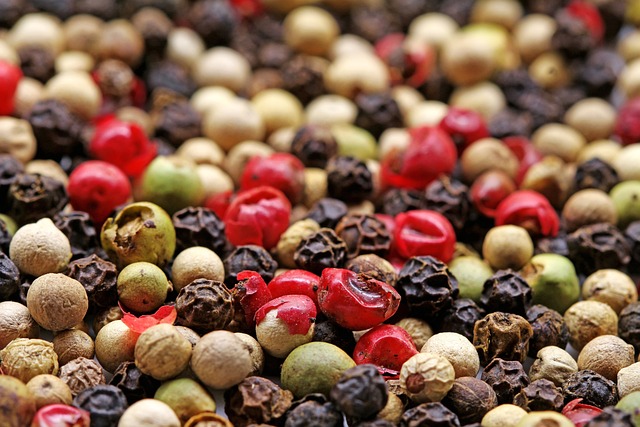
White pepper is a spice commonly used in Asian cuisines. It is derived from the same peppercorn plant as black pepper, but is processed differently. The black outer shell of the peppercorn is removed, leaving behind a white inner seed. This inner seed is then dried and ground into a fine powder, which is used to season and add flavor to various dishes.
How Does White Pepper Differ from Black Pepper?
White pepper and black pepper come from the same plant, but they have different flavor profiles. White pepper has a milder, earthier, and less pungent taste compared to black pepper. It also lacks the complex aroma of black pepper. In Asian cuisines, white pepper is often used in dishes where a subtle peppery flavor is desired without overpowering the other ingredients.
What Are the Benefits of Using White Pepper in Asian Dishes?
The use of white pepper in Asian dishes brings out a unique flavor profile that enhances the overall taste experience. It adds a subtle heat and depth of flavor without overwhelming the dish. Additionally, white pepper has been associated with several health benefits, including aiding digestion, boosting metabolism, and promoting overall gut health.
How Should I Store White Pepper?
To ensure the freshness and longevity of white pepper, it is best to store it in an airtight container in a cool, dark, and dry place. Avoid exposing it to excessive heat, moisture, and light, as this can cause the spice to lose its potency and flavor. When stored properly, white pepper can retain its quality for up to two years.
Can White Pepper be Substituted with Black Pepper?
While white pepper and black pepper are both pepper-based spices, they have distinct flavor differences. While it is possible to use black pepper as a substitute for white pepper, it may alter the taste and aroma of the dish. It is recommended to use white pepper when a milder, earthier flavor is desired in Asian dishes.

White Pepper: A Popular Ingredient in Asian Cuisine
What is White Pepper?
White pepper, commonly used in Asian cooking, is derived from the berries of the pepper plant. Unlike black pepper, which is made from the unripe fruit, white pepper is made from the ripe fruit. The outer layer of the fruit is removed, leaving behind the inner seed, which is then dried and ground to obtain the white pepper powder.
Flavor and Culinary Uses
White pepper has a distinct flavor profile that sets it apart from black or red pepper. It tends to be spicier and has a more complex aromatic profile. The flavor of white pepper is considered slightly earthy, pungent, and less fruity than black pepper.
In Asian cuisine, white pepper is widely used in various savory dishes. It is a key ingredient in soups, stir-fries, curries, and marinades, adding a unique heat and depth of flavor to the dishes. The spiciness of white pepper enhances the overall taste of the food without overpowering other ingredients.
Medicinal Properties
In addition to its culinary uses, white pepper is also known for its potential health benefits. It contains a compound called piperine, which has been suggested to possess anti-inflammatory and antioxidant properties. Some traditional healing practices use white pepper to aid digestion, stimulate appetite, and relieve flatulence.
However, it’s important to note that scientific evidence supporting these claims is limited, and white pepper should not be considered a cure for any medical condition without proper consultation.
Conclusion
White pepper is a popular ingredient in Asian cuisine, adding spice, flavor, and complexity to a variety of dishes. From soups to stir-fries, it enhances the overall taste profile and brings a unique twist to the table. While it’s commonly used in cooking, it’s always good to experiment and discover new ways to incorporate this versatile ingredient into your favorite Asian recipes.
For more information on white pepper, you can visit the Wikipedia page about white pepper.

Exploring the Unique Flavors of White Pepper in Asian Dishes
Background
- White pepper is a popular spice used in Asian cuisine.
- It is derived from the same peppercorn plant as black pepper, but undergoes a different processing method.
- White pepper has a milder and more nuanced flavor compared to its black counterpart.
Flavor Profile
- White pepper offers a complex blend of earthy, pungent, and subtly floral flavors.
- It has a lingering heat that gradually builds up, adding depth and intensity to dishes.
- The milder taste of white pepper makes it a versatile ingredient, suitable for both delicate and robust Asian dishes.
Traditional Uses
- White pepper is a key seasoning in many Chinese, Thai, and Vietnamese recipes.
- It is commonly used in soups, stir-fries, marinated meats, and savory sauces.
- White pepper is often favored over black pepper in dishes where its mild heat and subtle flavor won’t overpower other ingredients.
Experimentation and Pairings
- While white pepper shines in classic Asian recipes, it can also surprise and complement non-traditional dishes.
- Consider experimenting with white pepper in fusion cuisine, such as adding it to pasta sauces or using it in spice rubs for grilled meats.
- Pair white pepper with ingredients like garlic, ginger, soy sauce, and vinegar to enhance its flavor notes.
Conclusion
- Exploring the unique flavors of white pepper can elevate your Asian dishes to new heights.
- Its milder taste and distinctive profile offer a versatile and exciting addition to your culinary repertoire.
- From traditional recipes to innovative concoctions, white pepper provides endless opportunities for culinary creativity.