


Contents
Welcome to the world of Italian cooking!
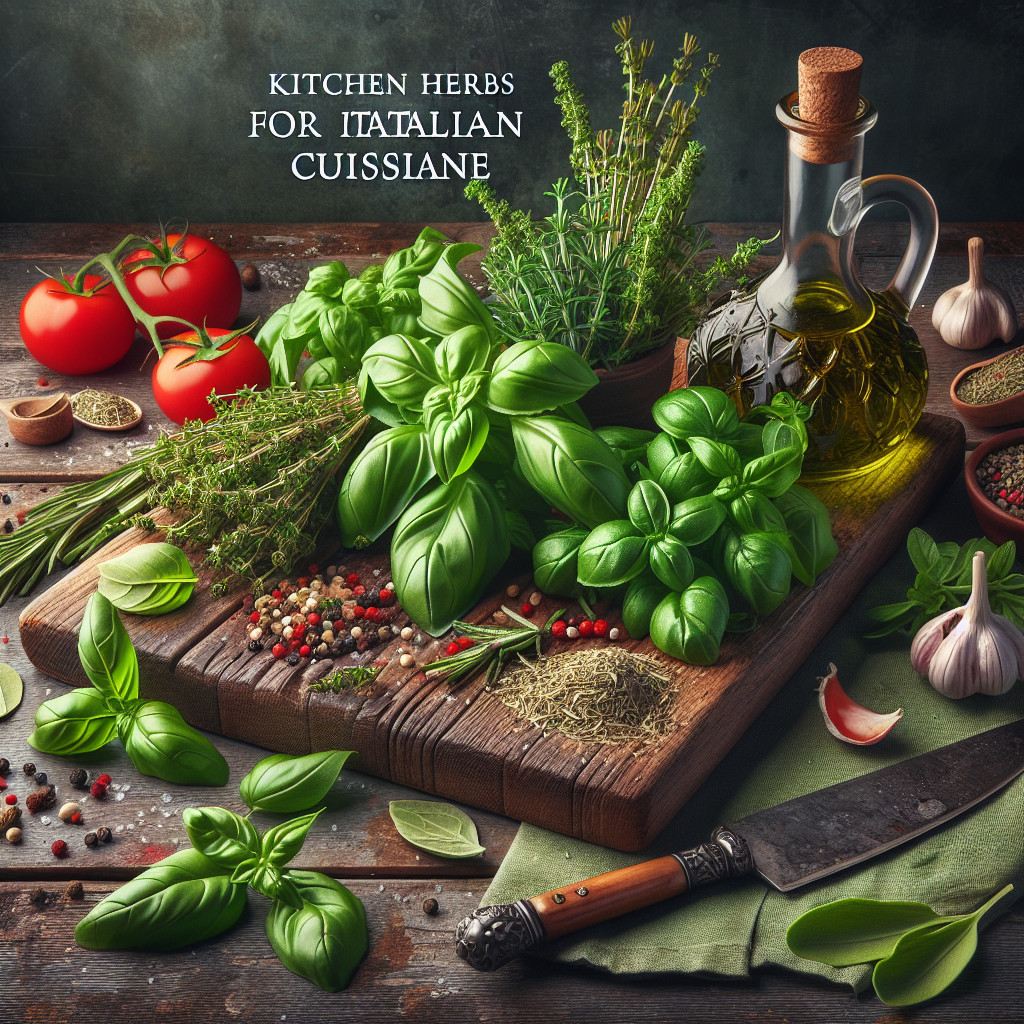
Italian cuisine is known for its use of fresh herbs to create bold and flavorful dishes. Here are the top 10 essential herbs that every Italian chef should have in their kitchen:
1. Basil
Known as the king of herbs in Italian cooking, basil is essential for making a classic pesto sauce or adding a fresh touch to pasta dishes.
2. Rosemary
This fragrant herb is perfect for seasoning roasted meats and vegetables, as well as adding a savory depth to soups and stews.
3. Oregano
Oregano adds a zesty kick to pizza, pasta sauces, and grilled meats. It’s a staple herb in Italian seasoning blends.
4. Parsley
A versatile herb that can be used as a garnish or to add freshness to sauces, salads, and vegetable dishes.
5. Thyme
Thyme is great for adding a slightly earthy and floral flavor to roasted meats, vegetables, and soups.
6. Sage
Add depth and warmth to dishes like risotto, pasta sauces, and roasted poultry with the distinctive flavor of sage.
7. Marjoram
This delicate herb pairs well with tomatoes, eggplant, and seafood, adding a subtle sweetness to dishes.
8. Mint
Use mint to add a refreshing touch to salads, desserts, and cocktails, or to flavor lamb dishes in Italian cuisine.
9. Bay leaf
Bay leaves are used to add a subtle aroma and depth of flavor to soups, stews, and braised dishes.
10. Tarragon
This herb has a licorice-like flavor that pairs well with seafood, chicken, and egg dishes in Italian cooking.
Stock your kitchen with these essential herbs to elevate your Italian dishes and bring authentic flavors to your table.

1. Basil
Basil is a staple herb in Italian cuisine and is essential for making classic dishes like pesto. Its fresh, aromatic flavor pairs well with tomatoes, making it perfect for pasta sauces, pizzas, and salads.
2. Rosemary
Rosemary adds a pine-like fragrance and flavor to Italian dishes. It is commonly used in roasted meats, potatoes, and focaccia bread. Its robust flavor makes it a versatile herb in the kitchen.
3. Oregano
Oregano is a must-have herb for Italian cooking. It adds a savory and slightly spicy flavor to dishes like pasta sauces, pizzas, and grilled meats. Oregano is also a key ingredient in many Italian seasoning blends.
4. Thyme
Thyme is a versatile herb that can be used fresh or dried in Italian dishes. Its earthy and slightly sweet flavor complements a variety of ingredients, making it a popular choice for soups, stews, and risottos.
5. Parsley
Parsley is a commonly used herb in Italian cooking for its fresh and vibrant flavor. It is often used as a garnish but can also be added to pasta dishes, salads, and sauces for a burst of freshness.
6. Sage
Sage has a strong and earthy flavor that pairs well with rich meats like pork and poultry. It is often used in stuffing, pasta dishes, and risottos to add depth and complexity to the flavor profile.
7. Marjoram
Marjoram has a sweet and citrusy flavor that complements a variety of Italian dishes. It is commonly used in tomato-based sauces, roasted vegetables, and grilled meats for a fresh and fragrant taste.
8. Bay Leaf
Bay leaves add a subtle and aromatic flavor to Italian dishes when used in moderation. They are often added to soups, stews, and braised dishes to infuse a hint of herbal essence into the dish.
9. Chives
Chives have a mild onion flavor that is perfect for adding a delicate touch to Italian dishes. They are often used as a garnish for soups, salads, and egg dishes, adding a pop of color and flavor.
10. Mint
Mint is a refreshing herb that can be used in both savory and sweet Italian dishes. It pairs well with lamb, peas, and tomatoes, adding a cool and bright flavor to pasta dishes, salads, and desserts.

Frequently Asked Questions
1. What are the top 10 essential herbs for Italian cooking?
Some of the essential herbs for authentic Italian cooking include:
- Rosemary
- Basil
- Oregano
- Thyme
- Sage
- Italian Parsley
- Bay Leaves
- Marjoram
- Mint
- Chives
2. Where can I buy these herbs?
You can buy these herbs at most grocery stores, farmer’s markets, or even grow them in your own herb garden.
3. How should I store these herbs?
It is best to store fresh herbs in the refrigerator, either wrapped in a damp paper towel or in airtight containers. Dried herbs should be kept in a cool, dark place away from heat and sunlight.
4. Can I substitute dried herbs for fresh herbs in recipes?
Yes, you can substitute dried herbs for fresh herbs, but keep in mind that dried herbs are more concentrated in flavor, so you will need to use less of them in your recipes.
5. Are these herbs commonly used in Italian cuisine?
Yes, these herbs are commonly used in authentic Italian cooking to add flavor and aroma to dishes such as pasta, sauces, soups, and stews.

The Best Kitchen Herbs for Italian Cuisine
Italian cuisine is known for its rich flavors and aromatic herbs that bring dishes to life. Below are some of the top kitchen herbs used in Italian cooking:
Basil
Basil is a staple herb in Italian cuisine, especially in dishes like pesto, caprese salad, and tomato-based pasta sauces.
Oregano
Oregano adds a warm and earthy flavor to Italian dishes, particularly pizza, pasta sauces, and grilled meats.
Rosemary
Rosemary is a fragrant herb that pairs well with roasted meats, potatoes, and focaccia bread.
Thyme
Thyme is a versatile herb that adds a subtle citrusy flavor to dishes like roasted chicken, soups, and stews.
Parsley
Parsley is a bright and fresh herb that is often used as a garnish or added to pasta dishes, salads, and soups.
These are just a few of the many herbs that are essential in Italian cooking. Experiment with different combinations to create your own delicious Italian-inspired dishes!
For more information on Italian cuisine, you can visit Wikipedia’s page on Italian cuisine.
Top 10 Essential Herbs for Authentic Italian Cooking
- Basil
- Parsley
- Oregano
- Thyme
- Rosemary
- Sage
- Marjoram
- Mint
- Bay leaves
- Chives
Category – Pepper, Salt and Herbs






