





Contents
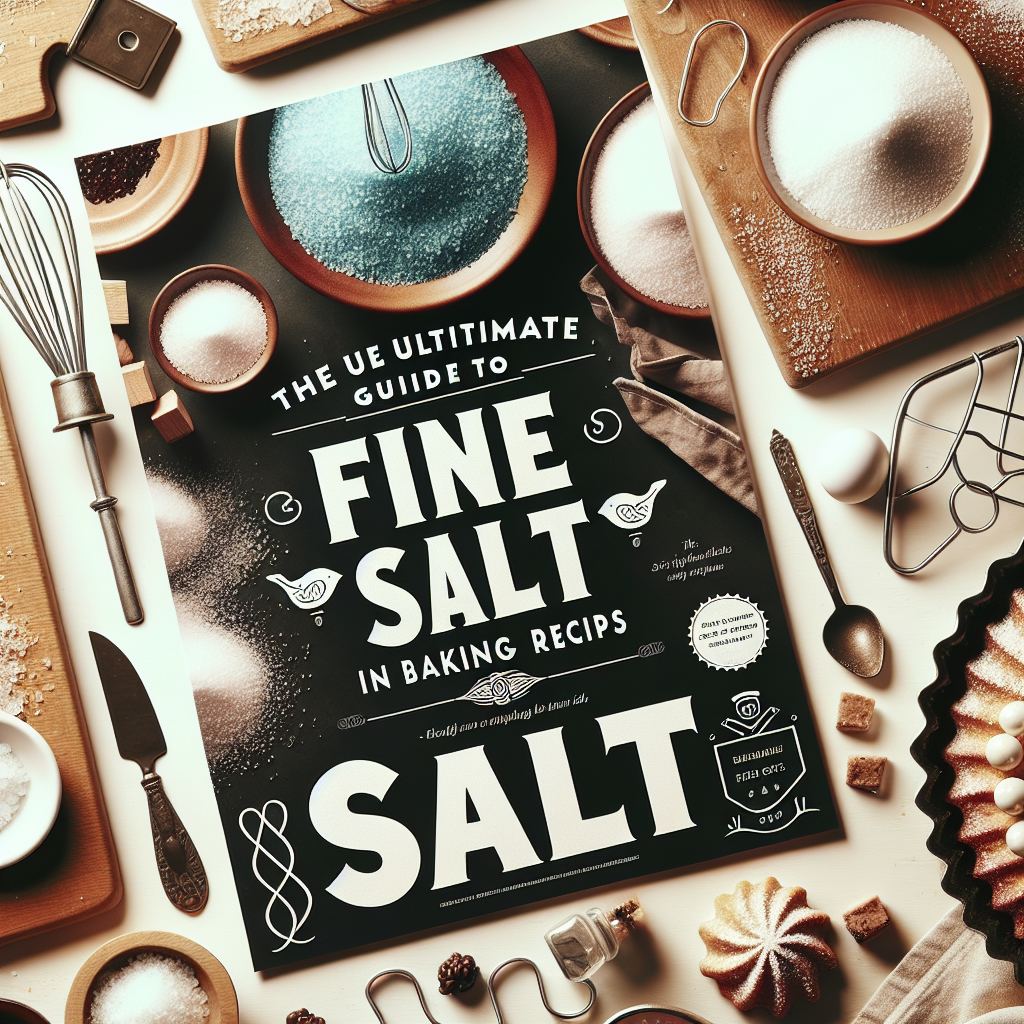
The Ultimate Guide to Using Fine Salt in Baking Recipes
Baking is as much a science as it is an art, and one of the key ingredients that often gets overlooked is fine salt. While it may seem like a simple addition, understanding how to use fine salt can elevate your baked goods to an entirely new level. From enhancing flavors to controlling texture, fine salt plays a crucial role in the chemistry of baking.
This guide will provide you with everything you need to know about using fine salt in your baking endeavors, including tips on measurement, the best types to use, and how it interacts with other ingredients. Whether you’re a novice baker or a seasoned pro, mastering the use of fine salt will ensure your recipes turn out perfectly every time.

What is Fine Salt?
Fine salt, also known as table salt, is a common ingredient that plays a crucial role in baking. It is finely granulated and easily dissolves in liquids, which enhances the flavor profile of baked goods.
Why Use Fine Salt in Baking?
Flavor Enhancement
Salt enhances the natural flavors of ingredients, making baked goods more delicious. It balances sweetness and intensifies flavors, which is particularly important in desserts and pastries.
Texture Improvement
Fine salt can affect the texture of baked items. When used in doughs, it strengthens gluten formation, leading to better structure and rise.
Preservation and Shelf Life
Salt not only enhances flavor but also acts as a preservative, extending the shelf life of your baked goods by inhibiting the growth of bacteria and molds.
How to Use Fine Salt in Baking Recipes
Measurement Guidelines
In baking, the right amount of salt is crucial. As a general rule, 1/2 teaspoon of fine salt is recommended per cup of flour. Adjust based on personal taste and the specific recipe requirements.
Incorporating Fine Salt
It is best to mix fine salt with dry ingredients before adding wet ingredients. This ensures even distribution throughout the mixture.
Substituting Fine Salt in Recipes
Other Salt Varieties
While fine salt is commonly used, you may encounter other types such as kosher salt or sea salt. Here’s how to substitute:
- Kosher Salt: Use about 1.5 times the amount of kosher salt compared to fine salt due to its larger grain size.
- Sea Salt: Sea salt can often be substituted in equal amounts, but taste and texture may vary.
Measuring Tips
When substituting different salt types, be sure to measure carefully. Using a kitchen scale can help ensure accuracy.
Recipes to Try Using Fine Salt
Chocolate Chip Cookies
Adding fine salt to chocolate chip cookies enhances the sweetness of the chocolate. Try this classic recipe with the right amount of salt for a perfect batch.
Artisan Bread
Fine salt is essential for developing the flavor and texture of artisan bread. Follow this easy artisan bread recipe to experience the difference it makes.
Common Mistakes to Avoid
Over-Salting
Using too much fine salt can lead to overly salty baked goods. Always measure accurately and start with the recommended amounts.
Skipping Salt
It may be tempting to skip salt in recipes, especially if you’re conscious about sodium intake. However, salt is crucial for flavor and texture, so it is best to use it in moderation.
Conclusion
Fine salt is a versatile and essential ingredient in baking. Understanding how to use it effectively can enhance your baking results significantly. For more tips and recipes, check out AllRecipes.
Frequently Asked Questions about Using Fine Salt in Baking Recipes
1. What is fine salt and how is it different from regular salt?
Fine salt is a type of salt that has smaller granules than regular table salt. It dissolves more quickly, making it ideal for baking as it ensures even distribution in your recipes.
2. Can I substitute fine salt for coarse salt in baking?
Yes, you can substitute fine salt for coarse salt; however, you may need to adjust the quantity. Since fine salt is denser, using the same volume may result in a saltier dish.
3. How much fine salt should I use in a baking recipe?
Typically, a general rule is to use 1/2 to 1 teaspoon of fine salt per cup of flour. However, it’s best to follow the specific amounts listed in your recipe for the best results.
4. Does fine salt affect the texture of my baked goods?
Yes, fine salt can enhance the texture of baked goods. Its smaller granules dissolve quickly, leading to a more uniform flavor and texture in your final product.
5. Is it necessary to use fine salt in baking?
While it is not strictly necessary, using fine salt can improve the overall flavor of your baked goods. Salt enhances other flavors, which is particularly important in sweet recipes.
6. Can I use kosher salt instead of fine salt?
Yes, kosher salt can be used in place of fine salt, but the volume measurement may differ because its crystal size is larger. It’s best to check specific conversions if a recipe calls for fine salt.
7. How do I store fine salt for optimal freshness?
Fine salt should be stored in a cool, dry place in an airtight container to prevent clumping and maintain its flavor.
This HTML code creates a well-structured FAQs section with H2 and H3 headings, providing clear information about using fine salt in baking recipes.

Benefits of Using Fine Salt for Baking
Fine salt is a popular choice among bakers for various reasons. Its ability to dissolve quickly ensures an even distribution of flavor throughout your baked goods. This characteristic makes it essential in recipes ranging from bread to cakes.
How Fine Salt Affects Flavor
The right amount of fine salt can enhance the sweetness of desserts and bring out the flavors of other ingredients. It’s important to measure accurately to ensure a balanced taste.
Texture and Rise
Fine salt interacts with yeast, affecting the rise in bread-making. The clarity of flavor from fine salt combined with its impact on gluten structure can significantly improve the texture of baked products.
Choosing the Right Salt
When choosing baking salt, consider the type of dishes you’re preparing. Fine salt blends well with dry ingredients, making it suitable for cookies, cakes, and pastries. For more information on the different types of salt, you can refer to the Salt page on Wikipedia.
The Ultimate Guide to Using Fine Salt in Baking Recipes
- Understanding fine salt and its role in baking.
- Differences between fine salt and other types (e.g., coarse salt, table salt).
- How fine salt enhances flavor in baked goods.
- Importance of salt in dough fermentation and rise.
- Recommended measurements for various baking recipes.
- Tips for substituting fine salt with other salts.
- Common mistakes to avoid when using salt in baking.
- How to store salt for optimal freshness.







