Contents
Kosher Salt: A Must-Have Ingredient in Your Kitchen
Kosher salt, known for its large, flaky crystals and distinctive texture, has become a staple in kitchens around the world. Its name originates from the Jewish practice of koshering meat, where the salt’s coarse grains effectively draw out blood. Beyond its cultural significance, kosher salt is prized for its versatility in cooking and seasoning.
Whether you’re a professional chef or a home cook, kosher salt enhances flavors without overpowering dishes. It’s easy to pinch and sprinkle, making it ideal for seasoning foods during the cooking process or at the table. If you haven’t yet made kosher salt a part of your culinary arsenal, now is the perfect time to discover why it’s a must-have ingredient in every kitchen.

What is Kosher Salt?
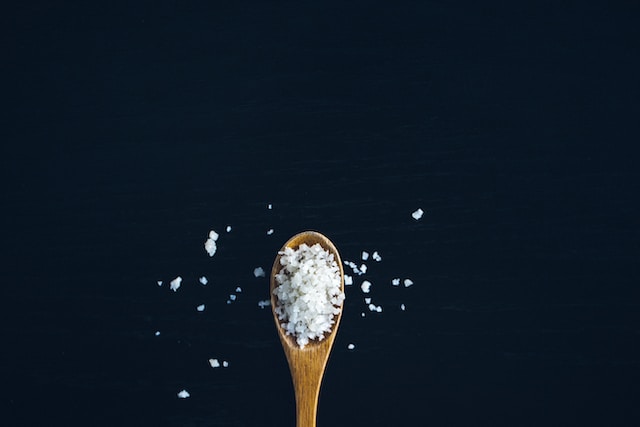
Kosher salt is a versatile ingredient used in various types of cooking and food preparation. It is characterized by its larger grain size compared to table salt, which makes it easier to handle and distribute over food. The name “kosher salt” actually refers to the grain size, not the salt’s purity or its compliance with kosher dietary laws.
The History of Kosher Salt
The origins of kosher salt date back centuries when it was used primarily to kosher meat, a process that involves drawing out blood to make the meat permissible under Jewish law. While it still serves this purpose, its culinary uses have expanded significantly over the years.
Historical Uses
Traditionally, kosher salt has been a staple in Jewish kitchens, but its appeal has grown beyond cultural boundaries. Its mineral-rich content and easy-to-grip texture make it favorable among chefs and home cooks alike.
Culinary Benefits of Using Kosher Salt
Kosher salt is favored in the culinary world for several reasons:
Enhanced Flavor
The larger crystals of kosher salt allow for better distribution over food, enabling a more balanced seasoning. This makes it easier to enhance the natural flavors of ingredients without overpowering them.
Texture Control
The grain size of kosher salt is perfect for seasoning meats, vegetables, and other dishes, providing a delightful crunch when used as a finishing touch.
Ease of Use
Many chefs prefer kosher salt because it’s easier to pinch and sprinkle, allowing for more control over the seasoning process.
How to Use Kosher Salt in Your Cooking
Here are some practical ways to incorporate kosher salt into your cooking routine:
Brining
Kosher salt is an ideal choice for brining meats, as its larger grains dissolve slowly, allowing for proper absorption of flavors.
Seasoning
Use it to season vegetables before roasting or grilling. The salt helps draw out moisture and enhances flavor.
Finishing Touch
Sprinkle kosher salt over dishes just before serving for an added crunch and burst of flavor.
Comparing Kosher Salt with Other Types of Salt
Table Salt
Table salt is finely ground and often contains additives like anti-caking agents. It has a more intense salinity than kosher salt, which can lead to over-salting when substituted directly.
Sea Salt
Sea salt is harvested from evaporated seawater and comes in various grain sizes. While it can be used as a substitute for kosher salt, its flavor can vary significantly depending on its source.
Himalayan Pink Salt
Rich in minerals and trace elements, Himalayan pink salt offers a unique taste but is typically more expensive than kosher salt.
Conclusion
To sum up, kosher salt is a must-have ingredient in every kitchen. Its versatility, ease of use, and ability to enhance flavors make it a preferred choice for both amateur cooks and professional chefs. Integrating kosher salt into your culinary practices can elevate your dishes to new heights.
Learn More
For more information on cooking with kosher salt, visit The Spruce Eats.
FAQs about Kosher Salt: A Must-Have Ingredient in Your Kitchen
What is Kosher Salt?
Kosher salt is a coarse-grained salt that is commonly used in cooking and food preparation. It gets its name from the Jewish koshering process, where it is used to draw out blood from meat.
How is Kosher Salt Different from Table Salt?
The main differences lie in the grain size, texture, and added ingredients. Kosher salt has larger crystals, making it less salty by volume compared to table salt, which often contains additives like iodine.
Why Should I Use Kosher Salt in Cooking?
Kosher salt’s larger crystals make it easier to pinch and season food evenly. It also dissolves quickly and enhances flavors without overpowering dishes, making it a favorite among chefs.
Is Kosher Salt Suitable for All Types of Cooking?
Yes, Kosher salt is versatile and can be used in various cooking methods, from seasoning meats to baking. However, adjustments in measurements may be needed when substituting other salts due to its texture and grain size.
Can I Use Kosher Salt for Baking?
While Kosher salt can be used in most baking recipes, it’s important to note that it may not dissolve as quickly as fine salt, so be sure to adjust the quantities accordingly.
How Should I Store Kosher Salt?
Store Kosher salt in a cool, dry place, ideally in an airtight container to prevent moisture absorption and clumping.
Is Kosher Salt Healthier than Other Salts?
Kosher salt is generally free from additives, making it a cleaner option. However, all salt should be consumed in moderation, as excessive sodium intake can lead to health issues.

What Is Kosher Salt?
Kosher salt is a type of coarse-grained salt that is used in the koshering process of meat, making it essential in various culinary practices. It tends to have larger crystals, which makes it easier to pinch and sprinkle over food.
Uses of Kosher Salt in Cooking
Due to its unique texture and flavor, kosher salt is favored by chefs for seasoning and enhancing dishes. It can be used to brine meats, season vegetables, and even rim cocktail glasses.
Benefits of Using Kosher Salt
- Improves flavor without overwhelming dishes
- Easy to control quantity due to its coarseness
- Doesn’t contain additives, making it a purer choice
Substituting Kosher Salt in Recipes
If a recipe calls for kosher salt and you don’t have any, you can substitute it with table salt or sea salt, but be mindful of the quantity. As table salt is finer, you will need less of it.
Learn More About Kosher Salt
For more detailed information, visit the Kosher Salt Wikipedia page.
Kosher Salt: A Must-Have Ingredient in Your Kitchen
- Essential seasoning that enhances flavor in cooking.
- Larger crystals make it easy to pinch and control seasoning.
- Perfect for brining, curing, and marinating foods.
- Less bitter taste compared to regular table salt.
- Widely used by chefs for its versatility and texture.
- Ideal for sprinkling on meats and vegetables before cooking.
- Available in coarse and fine textures to suit various recipes.