
Contents
How much salt is too much?
Salt is an essential mineral that helps regulate fluid balance in our bodies and aids in the functioning of our muscles and nerves. However, consuming too much salt can lead to several health problems, including high blood pressure and an increased risk of heart disease, stroke, and kidney disease.
The American Heart Association recommends consuming no more than 2,300 milligrams (mg) of sodium per day, which is equivalent to about one teaspoon of salt. However, many people consume much more than this. In fact, the average American adult consumes about 3,400 mg of sodium per day.
To reduce your sodium intake, try to limit your consumption of processed and packaged foods, which are typically high in sodium. Also, opt for low-sodium versions of foods when available, and avoid adding salt to your meals.

Salt and Its Importance
Salt is a necessary component of a healthy diet. It helps regulate fluid balance, aids in nerve and muscle function, and is vital for cellular communication. However, consuming excessive amounts of salt can have negative effects on our health.
Recommended Daily Intake of Salt
According to the American Heart Association, the recommended daily intake of salt for adults is 2,300 milligrams or less, which is equivalent to about one teaspoon. However, the ideal amount of salt intake may vary for individuals depending on a number of factors such as age, sex, weight, and history of health conditions like high blood pressure, heart disease, or diabetes, to name a few.
Risks Associated with High Salt Intake
Consuming too much salt has been shown to increase the risk of developing high blood pressure, heart disease, stroke, and kidney disease. It can also lead to water retention, which can cause swelling in various parts of the body.
How to Control Salt Intake
There are several ways to control the amount of salt in our diets:
- Read food labels – it’s essential to check the sodium content in packaged foods and choose those with lower amounts of salt.
- Cook at home – cooking at home allows us to control the amount of salt we add to our meals.
- Use herbs and spices – replacing salt with herbs and spices is a great way to flavor our food without adding excessive amounts of salt.
- Reduce portion sizes – consuming smaller portions can significantly reduce our overall salt intake.
The Bottom Line
While salt is vital for our health, it’s important to be aware of how much we consume. By controlling our salt intake, we can reduce the risk of developing various health conditions and improve our overall well-being.
References
- How Much Sodium Should I Eat Per Day?
- The sweet danger of sugar and salt
- How much salt is in your food?
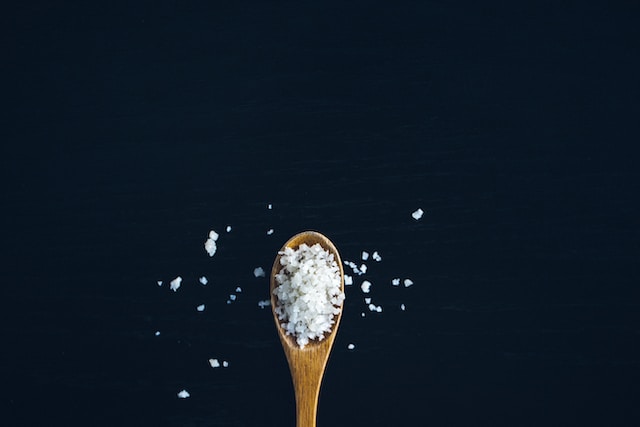
How much salt is too much?
What is the recommended daily intake of salt?
The American Heart Association recommends consuming no more than 2,300 milligrams (mg) of sodium per day, which is equivalent to approximately 1 teaspoon of salt. However, individual sodium intake may vary depending on age, health status, and other factors.
What are the health risks of consuming too much salt?
Consuming too much salt can lead to a variety of health problems, including high blood pressure, heart disease, stroke, and kidney damage. It can also contribute to osteoporosis, stomach cancer, and other health issues.
How can I reduce my salt intake?
Reducing your salt intake can be achieved by making simple changes to your diet, such as choosing fresh foods over processed foods, reading nutrition labels, and using herbs and spices to flavor foods instead of salt. Eating a balanced diet that is rich in fruits, vegetables, lean proteins, and whole grains can also help to reduce salt intake.
Are there any foods that are naturally high in salt?
Yes, some foods are naturally high in salt, such as cured meats, cheese, pickles, and olives. Additionally, some condiments, such as soy sauce and Worcestershire sauce, can also be high in sodium.
Can I still eat salt in moderation?
Yes, consuming salt in moderation is generally safe for healthy individuals. However, it is important to be mindful of sodium intake and to choose foods that are low in salt whenever possible.

What is Himalayan Salt?
Himalayan salt is a type of rock salt mined from the Khewra Salt Mine in Pakistan. Known for its pinkish hue, it is considered to be one of the purest forms of salt found on Earth.
Health Benefits of Himalayan Salt
While most of us associate salt with high blood pressure and other health issues, Himalayan salt has several health benefits:
- It contains essential minerals such as calcium, magnesium, and potassium, which are required for maintaining optimal health.
- It can help reduce the occurrence of respiratory illnesses by clearing mucus and reducing inflammation in the respiratory tract.
- Himalayan salt can improve the quality of sleep by promoting the production of melatonin, a hormone that regulates sleep.
- It can help regulate blood sugar levels by reducing insulin resistance in the body.
If you’re interested in learning more about Himalayan salt, check out this Wikipedia page.
Salt Consumption Guidelines
- The American Heart Association suggests adults consume no more than 2,300 milligrams (mg) of sodium per day.
- The Centers for Disease Control and Prevention recommends that adults should consume less than 2,300 mg of sodium per day.
- The American Academy of Pediatrics recommends that children aged 1-3 years should consume no more than 1,500 mg of sodium per day, while children aged 4-8 years should consume no more than 1,900 mg per day.
- Consuming more than the recommended amount of salt can lead to high blood pressure, which can increase the risk of heart attack and stroke.
- Processed foods, fast foods, and restaurant meals are often high in sodium, so it is important to monitor these sources of salt intake.
- Healthy alternatives to replace salt in cooking and seasoning include herbs, spices, and lemon juice.