Contents
An Audible Delight: Brewing Tea with a Whistling Tea Kettle like a Pro
Welcome to our guide on brewing tea with a whistling tea kettle like a pro. If you’re a tea enthusiast, you probably know that a good cup of tea starts with the right equipment and techniques. Using a whistling tea kettle adds an audible delight to the tea-making process, making it more enjoyable and satisfying.
Table of Contents
- Benefits of Brewing Tea with a Whistling Tea Kettle
- Choosing the Right Whistling Tea Kettle
- Brewing Techniques for the Perfect Tea
- Cleaning and Maintenance
- Conclusion
Benefits of Brewing Tea with a Whistling Tea Kettle
Whistling tea kettles have been a staple in households for many years and are loved for good reason. Here are a few benefits of using a whistling tea kettle:
- Convenience: Whistling tea kettles alert you when your water is boiling, so you can focus on other tasks without worry.
- Auditory Pleasure: The cheerful whistle of a tea kettle is a delightful sound that adds a touch of joy to your tea brewing experience.
- Traditional Charm: Whistling tea kettles evoke a sense of nostalgia and are often associated with cozy teatime rituals.
Choosing the Right Whistling Tea Kettle
When selecting a whistling tea kettle, consider the following factors:
- Material: Whistling tea kettles can be made from various materials such as stainless steel, glass, or ceramic. Each material has its own advantages, so choose one that suits your needs and preferences.
- Capacity: Determine the amount of tea you usually brew at a time. Select a kettle with an appropriate capacity to avoid constant refilling.
- Heat Source Compatibility: Ensure your chosen kettle is compatible with your heat source, whether it be gas, electric, or induction.
Brewing Techniques for the Perfect Tea
Step 1: Fill the Kettle
Fill your whistling tea kettle with fresh cold water. Be mindful not to overfill it, as water may spill out when boiling.
Step 2: Heat the Water
Place the kettle on your heat source and turn it on. Wait for the water to come to a rolling boil. You’ll know it’s ready when the kettle emits a cheerful whistle.
Step 3: Prepare the Tea
While waiting for the water to boil, prepare your tea leaves, teabag, or infuser. Choose your favorite tea variety and follow the recommended steeping time and temperature.
Step 4: Pour and Enjoy
Once the water has reached the desired temperature, carefully pour it over your tea leaves or teabag. Allow it to steep for the recommended time, and then pour yourself a cup of perfectly brewed tea. Savor the aroma and indulge in the delightful flavors.
Cleaning and Maintenance
To maintain your whistling tea kettle in pristine condition, follow these simple steps:
- Regularly wash your kettle with warm soapy water.
- Remove mineral deposits by boiling a mixture of equal parts water and vinegar.
- Avoid using abrasive cleaners or steel wool, as they can scratch the kettle’s surface.
- Periodically check and replace any worn or damaged parts, such as the whistle or handle.
Conclusion
Brewing tea with a whistling tea kettle adds an audible delight to your tea time routine. The soothing sound of the whistle, combined with the convenience and traditional charm, makes using a whistling tea kettle a joyful experience. By following the proper brewing techniques and maintaining your kettle, you can enjoy the perfect cup of tea every time.
This blog post was written by [Your Name].
For more information on whistling tea kettles, visit www.example.com.

FAQs – An Audible Delight: Brewing Tea with a Whistling Tea Kettle like a Pro
Q: Why use a Whistling Tea Kettle for brewing tea?
A: Whistling tea kettles are designed to alert you when the water has reached boiling point, saving you from boiling dry and potentially damaging your kettle. They add a delightful audible element to the tea brewing process.
Q: How does a Whistling Tea Kettle work?
A: Whistling tea kettles have a small mechanism attached to the spout that creates a high-pitched sound when the steam is forced through it. This sound is produced as an indicator that the water has reached boiling point.
Q: Are all Whistling Tea Kettles the same?
A: No, whistling tea kettles come in various designs, materials, and sizes. Some are stovetop kettles, while others are electric. It’s important to choose one that suits your needs and preferences.
Q: How do I use a Whistling Tea Kettle to brew tea like a pro?
A: Here are some steps to follow:
- Fill the kettle with cold water, preferably filtered water, to the desired level.
- Place the kettle on the stovetop or heat source.
- Turn on the heat and wait for the water to boil. You will hear the kettle whistle when the water is ready.
- Once the water has boiled, carefully pour it over your tea leaves or tea bags in a teapot or cup.
- Allow the tea to steep for the recommended time.
- Enjoy your delicious brewed tea!
Q: How do I clean a Whistling Tea Kettle?
A: To clean a whistling tea kettle, follow these steps:
- Allow the kettle to cool down completely.
- Remove any remaining water from the kettle.
- Wash the kettle with warm, soapy water using a soft sponge or cloth.
- Rinse the kettle thoroughly.
- For stubborn stains or mineral buildup, you can use a mixture of vinegar and water to soak the kettle or a specialized kettle descaler.
- Rinse the kettle again to remove any cleaning residue.
Q: Can I use a Whistling Tea Kettle for other hot beverages?
A: Absolutely! While traditionally used for tea, you can use a whistling tea kettle to boil water for other hot beverages like coffee, hot chocolate, or even for cooking instant noodles.
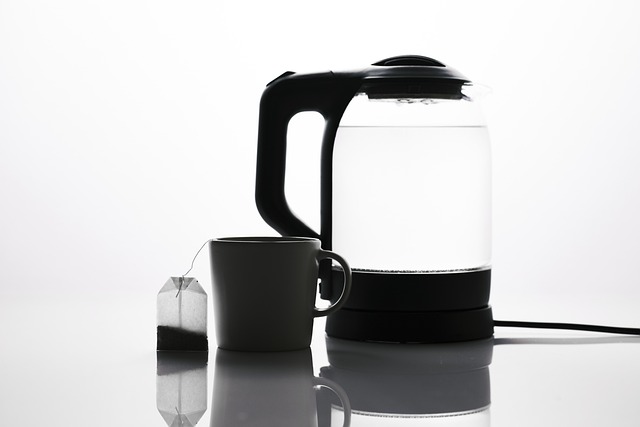
How to Make Tea in a Whistling Tea Kettle
Boiling Water in the Whistling Tea Kettle
Before you can make tea in a whistling tea kettle, you first need to boil water. Fill the tea kettle with the desired amount of water, but make sure not to exceed the maximum capacity. Place the kettle on a stovetop burner and turn the heat to medium-high. It is essential to always keep an eye on it to prevent the kettle from boiling dry, as this can damage it. Once the water reaches its boiling point, you will hear the kettle whistling.
Preparing the Tea Leaves or Tea Bags
While waiting for the water to boil, prepare your tea leaves or tea bags. If you prefer loose tea leaves, measure the desired amount based on the instructions or your personal taste preference. If you opt for tea bags, have them ready for steeping.
Adding Tea to the Teapot or Cup
After the water has come to a boil and the stove is turned off, carefully remove the whistling tea kettle from the heat source. Open the lid of the kettle and pour the boiled water over the tea leaves or tea bags in the teapot or cup. The amount of tea you use will depend on your desired strength and the size of your teapot or cup.
Steeping the Tea
Cover the teapot or cup with a lid or a small plate to retain the heat and allow the tea to steep. The steeping time varies depending on the type of tea you are using. Generally, black teas require around 3-5 minutes, green teas need 2-3 minutes, and herbal teas may need longer steeping durations.
Serving and Enjoying the Tea
Once the tea has finished steeping, remove the lid or plate and discard the tea leaves or tea bags. Pour the freshly brewed tea into cups, using a strainer if needed to catch any loose tea leaves. You can add sweeteners, lemon, or milk if desired. Finally, sit back, relax, and savor the delightful aroma and flavors of your freshly brewed tea from a whistling tea kettle!
For more detailed information about tea preparation and diverse tea types, you can visit the Wikipedia page on tea.

Short Summary:
-
Introduction
- Create an audible and enjoyable tea brewing experience using a whistling tea kettle.
-
Benefits of a Whistling Tea Kettle
- Provides an audible signal when water reaches boiling point, preventing over-boiling and ensuring right temperature for steeping.
- Enhances the sensory aspect of brewing tea.
- Traditional and charming addition to any kitchen.
-
Choosing the Right Whistling Tea Kettle
- Consider material (stainless steel, copper, etc.), capacity, and heat conductivity.
- Look for durable construction and a secure handle.
- Opt for a well-designed whistle for reliable loud sound.
-
Using a Whistling Tea Kettle
- Fill the kettle with water, leaving room for expansion, and avoid overfilling.
- Place the kettle on a heat source, ensuring the handle is away from flames or hot surfaces.
- Wait for the distinctive whistling sound, indicating the water has reached boiling point.
- Remove the kettle from heat and use the hot water for tea preparation.
-
Cleaning and Maintenance
- Regularly clean the kettle to remove mineral build-up, using a descaling solution or vinegar.
- Avoid using harsh abrasives on the kettle’s exterior to maintain its appearance.
- Check and replace any worn-out parts, such as the whistle or handle, as needed.
-
Conclusion
- Brewing tea using a whistling tea kettle adds charm and delight to the experience while ensuring optimal heat management. Invest in a quality kettle and enjoy the audible ritual of tea preparation.