Contents
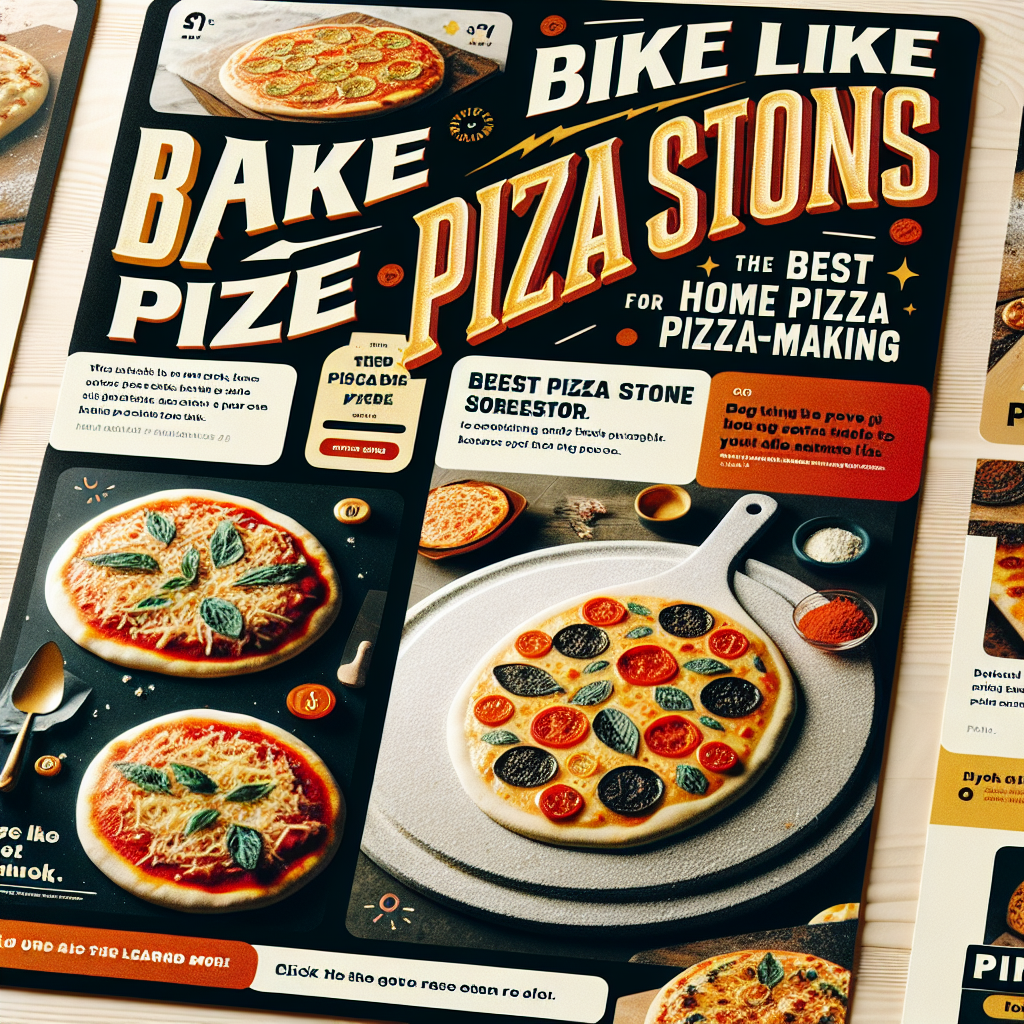
Bake Like a Pro: The Best Pizza Stones for Home Pizza-making
If you’re looking to elevate your homemade pizza experience, investing in the best **pizza stones** is essential. A quality pizza stone can help you achieve that perfect crispy crust that rivals your favorite pizzeria. In this guide, we’ll explore the top options available on the market, providing you with everything you need to know for successful **home pizza-making**. Whether you’re a novice or a seasoned chef, the right pizza stone can make all the difference in achieving that coveted **wood-fired taste** in your own kitchen.
The Importance of Using a Pizza Stone
Using a **pizza stone** helps achieve a crispy crust and evenly cooked pizza. The stone absorbs moisture and distributes heat efficiently, creating that perfect finish. This tool is essential for both amateur cooks and seasoned **pizza enthusiasts**.
How Pizza Stones Work
When heated, a pizza stone retains high temperatures and transfers them to the dough, which eliminates sogginess. This allows for a quicker cooking time and helps achieve restaurant-quality results at home.
Materials Used in Pizza Stones
- Cordierite: Known for its durability and heat retention.
- Clay: Provides excellent heat distribution and is very effective.
- Cast Iron: Offers superb heat retention but can be heavy and requires seasoning.
- Steel: Heats up quickly and is great for achieving a crispy crust.
Top 3 Pizza Stones to Consider
1. Pampered Chef Pizza Stone
This **ceramic pizza stone** is popular among home cooks. It’s dishwasher safe, making it easy to clean, and helps achieve an even bake.
Get the Pampered Chef Pizza Stone
2. Old Stone Oven Pizza Stone
Constructed from **cordierite**, this stone is built to withstand high temperatures and can be used in the oven or on the grill. Its large surface area is excellent for multiple pizzas.
Explore Old Stone Oven Pizza Stone
3. Lodge Cast Iron Pizza Pan
This **cast iron** option is ideal for those who prefer a heavy-duty choice. It heats evenly and retains heat well, providing a great crust. Additionally, it’s versatile enough for skillet recipes.
View Lodge Cast Iron Pizza Pan
How to Maintain Your Pizza Stone
Proper maintenance ensures the longevity of your pizza stone. Here are some tips:
- Allow it to cool completely before cleaning.
- Using a soft brush or sponge, remove any food residues.
- Avoid soap as it can absorb into the stone.
- Store it in a dry place to prevent moisture retention.
Conclusion
Investing in the right **pizza stone** can greatly enhance your home pizza-making experience. With quality options like the ones mentioned, you can bake like a pro and impress your friends and family with perfect homemade pizzas.

FAQs about Bake Like a Pro: The Best Pizza Stones for Home Pizza-making
1. What is a pizza stone, and why should I use one?
A pizza stone is a flat, heat-retaining slab, typically made from ceramic or stone, that helps create a crispy crust by evenly distributing heat throughout your pizza.
2. How do I choose the right pizza stone for my oven?
Consider the size of your oven, the thickness of the stone, and the material. A thicker stone retains heat better, while a larger one can accommodate bigger pizzas.
3. Are there specific care instructions for pizza stones?
Yes, avoid using soap and water. Instead, scrape off any residue after it cools down and let it dry completely to prevent cracking.
4. Can I use my pizza stone on a grill?
Absolutely! Many pizza stones are designed to handle higher temperatures and can be used on gas or charcoal grills for an authentic wood-fired pizza experience.
5. How do I preheat my pizza stone?
Place the stone in a cold oven and preheat it to the desired temperature (usually around 475°F/245°C). Allow it to heat for at least 30 minutes to ensure it reaches the right temperature.
6. What types of pizza stones are available?
You can find various types of pizza stones, including ceramic, cordierite, and steel. Each material has its unique benefits regarding heat retention and cooking style.
7. How do I prevent my pizza from sticking to the stone?
Use cornmeal or flour on the stone before placing the pizza to create a barrier. Additionally, ensure the stone is preheated to help prevent sticking.
8. Can I cut pizza directly on the pizza stone?
No, cutting directly on the pizza stone can cause scratches and damage. Always transfer your pizza to a cutting board for slicing.
9. What is the lifespan of a pizza stone?
With proper care, a good-quality pizza stone can last for several years; however, frequent thermal shock can cause cracking, so avoid drastic temperature changes.
10. Where can I buy the best pizza stones?
Look for pizza stones at kitchenware stores, online retailers, or specialty cooking shops. Read reviews and rating guidelines to find the best options for your home pizza-making.

Understanding Pizza Stones
Pizza stones are essential tools for baking the perfect pizza at home. They help create a crispy crust by evenly distributing heat throughout the pizza. The right pizza stone can elevate your homemade pizza experience significantly.
Material Matters
Pizza stones can be made from various materials, including ceramic, cordierite, and cast iron. Each material offers different heat retention properties. For instance, cordierite stones are known for their excellent thermal shock resistance.
Choosing the Right Size
When selecting a pizza stone, consider the size of your home oven. Common dimensions are 14 inches and 16 inches in diameter. Ensure that the stone fits comfortably in your oven and leaves space for air circulation.
Maintenance Tips
To prolong the life of your pizza stone, avoid using soap when cleaning it. Instead, simply scrape off any food residues with a spatula and wipe it down with a damp cloth. Periodic baking of a simple bread can also help keep the stone in good condition.
Benefits of Using a Pizza Stone
Using a pizza stone in a home oven leads to a better crust texture and flavor. It simulates the high heat of traditional brick ovens, making it easier to achieve professional-quality pizza.
For more detailed information on pizza, check out the Wikipedia article on Pizza.

Bake Like a Pro: The Best Pizza Stones for Home Pizza-making
-
Insulation
Look for stones with excellent heat retention for even baking.
-
Material
Consider materials like cordierite or ceramic for optimal results.
-
Size
Choose a size that fits your oven and meets your pizza-making needs.
-
Thickness
Thicker stones provide better heat retention but may take longer to preheat.
-
Brand Recommendations
Popular brands include Pizzacraft, Old Stone Oven, and Quarry Stone.
-
Care and Maintenance
Follow manufacturer guidelines for cleaning and storing your pizza stone.
-
Price Range
Prices vary, so find a balance between quality and budget.