


Contents
Breaking it Down: Why and How Stainless Steel Kettles Can Rust
Stainless steel kettles are a popular choice for their durability and sleek appearance. However, many people are surprised to find that even stainless steel kettles can rust over time. In this article, we will explore the reasons behind this phenomenon and discuss ways to prevent and address rust in stainless steel kettles.
Breaking it Down: Why and How Stainless Steel Kettles Can Rust
1. Introduction
Stainless steel kettles are known for their durability and ability to withstand rust, but under certain conditions, rusting can still occur. In this blog post, we will explore why and how stainless steel kettles can rust, as well as provide some tips on how to prevent and address this issue. Let’s dive in!
2. Understanding Stainless Steel
Stainless steel is an alloy made primarily of iron, chromium, and nickel. It is highly resistant to corrosion due to the protective layer of chromium oxide that forms on its surface. This layer acts as a barrier, preventing oxygen and water from reaching the underlying metal, thus reducing the chances of rust formation.
3. Factors Leading to Rust Formation
Despite stainless steel’s corrosion resistance, certain factors can contribute to rust formation in kettles. These factors include:
- Prolonged exposure to high levels of chlorine or hard water
- Scratches or damages to the chromium oxide layer
- Presence of iron particles from water or other sources
- Improper cleaning and maintenance
4. Preventive Measures
To minimize the risk of rust formation in your stainless steel kettle, consider the following preventive measures:
- Use filtered or distilled water instead of tap water
- Avoid leaving water in the kettle for extended periods
- Regularly clean and descale the kettle using appropriate products
- Be cautious when handling metal objects near the kettle to prevent scratches
5. Addressing Rust in Stainless Steel Kettles
If you happen to notice rust spots on your stainless steel kettle, here are steps you can take to address the issue:
- Empty and clean the kettle thoroughly
- Mix a paste of baking soda and water
- Apply the paste to the rusted areas and let it sit for a few hours
- Gently scrub the affected areas with a soft cloth or sponge
- Rinse the kettle thoroughly and dry it properly before use
6. Additional Resources
For more information on stainless steel kettle care and maintenance, check out the following resources:
- The Spruce Eats: How to Clean a Stainless Steel Tea Kettle
- Kitchenistic: How to Clean a Stainless Steel Teapot
- wikiHow: How to Clean a Stainless Steel Tea Kettle
7. Conclusion
By understanding the factors that can contribute to rust formation and implementing preventive measures, you can keep your stainless steel kettle in excellent condition for a long time. In case rust occurs, follow the steps mentioned above to address the issue effectively. Don’t let rust ruin your tea or coffee brewing experience!

Frequently Asked Questions
Why do stainless steel kettles rust?
There are a few key reasons why stainless steel kettles may rust:
- Prolonged exposure to moisture or water
- Chloride presence in water or cleaning agents
- Damages to the protective layer (passivation) of the stainless steel surface
How can I prevent stainless steel kettle rust?
To prevent rusting in stainless steel kettles, consider the following tips:
- Regularly rinse and dry the kettle after each use
- Use distilled or filtered water instead of tap water
- Avoid using abrasive cleaning agents or scrubbers
- Do not store water inside the kettle for extended periods of time
- Check and maintain the kettle’s protective layer periodically
How can I remove rust from a stainless steel kettle?
If you notice rust on your stainless steel kettle, here are some steps to remove it:
- Mix vinegar and water in equal parts to create a cleaning solution
- Fill the kettle with the solution and let it sit for a few hours
- Empty the solution and scrub the affected areas with a soft brush or sponge
- Rinse the kettle thoroughly with clean water
- Dry the kettle completely before using it again
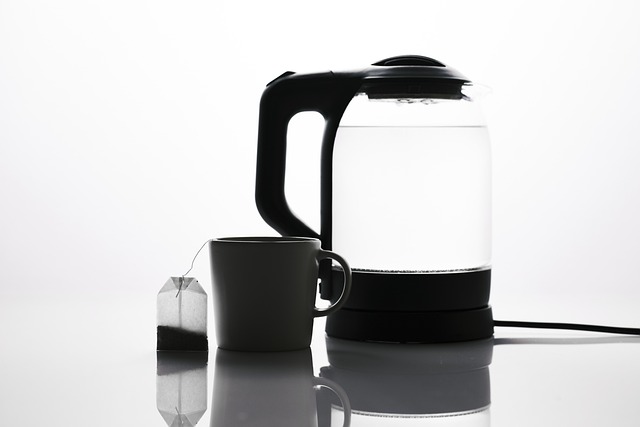
Can stainless steel kettle rust?
Understanding the Rust Potential in Stainless Steel Kettles
When it comes to stainless steel kettles, one common question that arises is whether they can rust or not. Stainless steel is known for its corrosion resistance, but under certain circumstances, rust can still develop on its surface.
Factors Affecting Stainless Steel Rust
Several factors contribute to the likelihood of rust formation on stainless steel kettles:
- Exposure to Chlorides: Stainless steel can be susceptible to rusting when exposed to high chloride environments, such as coastal areas or environments with high chlorine content.
- Scratches and Abrasions: Any damage to the protective oxide layer of stainless steel can expose it to rust. Scratches and abrasions caused by cleaning with harsh materials or metal utensils should be avoided.
Maintaining a Rust-Free Stainless Steel Kettle
To ensure that your stainless steel kettle remains rust-free, follow these tips:
- Regular Cleaning: Clean your kettle with mild soapy water and a soft cloth. Avoid using abrasive cleaners or materials that can scratch the surface.
- Thorough Drying: After cleaning the kettle, make sure it is completely dry before storing it. Water left on the surface can lead to corrosion and potential rust formation.
- Prevent Chloride Exposure: If you reside in a coastal area or use water with high chloride content, consider using distilled or filtered water to minimize the risk of rust.
If you want to learn more about stainless steel and its properties, you can visit the Wikipedia page on stainless steel.

Summary
-
Why Stainless Steel Kettles Can Rust
1. Exposure to moisture and oxygen.
2. Poor quality stainless steel.
3. High chloride content in water.
-
How Stainless Steel Kettles Rust
1. Formation of rust-inducing compounds.
2. Electrochemical reactions.
3. Presence of impurities or contaminants.