Contents
Brew Tea the Traditional Way: Stovetop Teapots 101
Tea is a beloved beverage enjoyed by people all around the world. While there are various methods to brew tea, the traditional way of using stovetop teapots holds a special charm. In this guide, we will explore the art of brewing tea using stovetop teapots and provide you with some essential tips to make the perfect cup of tea.
Brew Tea the Traditional Way: Stovetop Teapots 101
Why Use Stovetop Teapots?
Stovetop teapots, also known as kettle-style teapots, are a popular choice for tea enthusiasts who prefer the traditional
method of brewing tea. These teapots offer various advantages over other brewing methods, including precise temperature
control and the ability to extract the full flavor and aroma of the tea leaves. Let’s explore the art of brewing tea with
stovetop teapots in this comprehensive guide!
Choosing the Right Teapot
When selecting a stovetop teapot, it is important to consider the material, size, and design. Opt for a teapot made from
high-quality materials such as stainless steel or cast iron, as they provide excellent heat retention and durability. The
size of the teapot should be proportional to the amount of tea you intend to brew at a time. Additionally, pay attention
to the spout design to ensure smooth pouring without any drips or leaks.
Preparing the Teapot
Before using your stovetop teapot, it is crucial to properly clean and season it. Cleaning involves rinsing the teapot
with warm water and a mild detergent, followed by thorough rinsing to remove any soap residue. To season the teapot,
fill it with hot water and let it boil for a few minutes. Discard the water and repeat this process two or three times to
remove any metallic taste or impurities from the teapot.
Boiling the Water
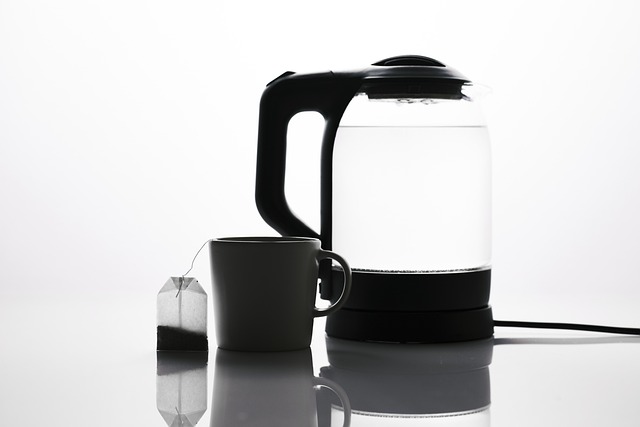
Properly boiling the water is essential for brewing tea. Fill your stovetop teapot with fresh, cold water. Avoid reboiling
water that has been sitting in the kettle for an extended period. Different types of teas require specific water
temperatures for optimal flavor extraction. Green teas generally require lower temperatures around 160-180°F (70-82°C),
while black teas and herbal infusions may need higher temperatures around 200-212°F (93-100°C). Use a thermometer or an
electric kettle with temperature control to heat the water precisely.
Brewing the Tea
Once the water reaches the desired temperature, add the tea leaves to the stovetop teapot. The amount of tea needed
depends on personal taste preferences and the tea variety being brewed. As a general guideline, use one teaspoon of tea
leaves for every 8 ounces (240ml) of water. Allow the tea to steep for the recommended time, typically ranging from 2-5
minutes. Avoid oversteeping, as it can result in a bitter taste.
Pouring and Enjoying
After the steeping time has elapsed, carefully pour the brewed tea into your cup or serving pot. Stovetop teapots with
built-in strainers will help prevent any loose tea leaves from being poured into the cup. To enhance the tea-drinking
experience, consider serving the brew in a preheated cup or teapot to maintain its temperature for longer.
Conclusion
Brewing tea with stovetop teapots is a delightful method that allows you to savor the full flavors and aromas of your
favorite loose-leaf teas. By choosing the right teapot, properly preparing it, boiling the water at the correct
temperature, and allowing the tea to steep adequately, you can enjoy a perfect cup of tea every time. Explore the vast
world of tea and its rich traditions through the lens of stovetop teapots!
For more information, you can visit www.teaclass.com.

Frequently Asked Questions (FAQs)
1. How do I brew tea using a stovetop teapot?
Follow these steps to brew tea using a stovetop teapot:
- Fill the teapot with fresh, cold water.
- Place the teapot on the stove and heat it until the water comes to a gentle boil.
- Add loose tea leaves or tea bags to a tea infuser or directly into the teapot.
- Let the tea steep for the recommended time, usually 3-5 minutes.
- Pour the brewed tea into teacups and enjoy!
2. What is the best type of tea to brew in a stovetop teapot?
You can brew any type of tea in a stovetop teapot, including black tea, green tea, herbal tea, and more. It’s all based on your personal preference. Experiment with different types of tea to find your favorite!
3. Can I use a stovetop teapot on an electric stove?
Yes, you can use a stovetop teapot on an electric stove. As long as the teapot is made with a heat-resistant material, such as stainless steel or cast iron, it can be used on any type of stove.
4. How do I clean a stovetop teapot?
To clean a stovetop teapot, follow these steps:
- Allow the teapot to cool down completely.
- Empty any remaining tea or water from the teapot.
- Wash the teapot with warm, soapy water using a sponge or soft cloth.
- Rinse the teapot thoroughly to remove any soap residue.
- Let the teapot air dry or wipe it gently with a clean towel.
Choosing the Right Stovetop Teapot
Stovetop teapots have gained popularity among tea enthusiasts for their precise control over the brewing process. Whether you prefer loose leaf or tea bags, a good stovetop teapot can make all the difference in serving a delightful cup of tea.
Materials Matter
When it comes to stovetop teapots, the materials used can greatly affect the brewing experience. Opting for a teapot made of high-quality materials such as stainless steel or cast iron can ensure durability and heat retention. These materials are also known for their ability to evenly distribute heat, resulting in a consistent brew.
Capacity and Design
Consider the capacity and design of the stovetop teapot that suits your needs. For solo tea drinkers, a smaller teapot with a capacity of one to two cups may be sufficient. If you frequently entertain guests or have a larger household, a teapot with a capacity of four to six cups might be more suitable. Additionally, pay attention to the design of the teapot, as it should not only be functional but also aesthetically pleasing.
Tea Infusers and Filters
Many stovetop teapots come with built-in infusers or filters, allowing you to brew loose leaf tea without the need for additional equipment. These features make the brewing process more convenient and reduce the chances of tea leaves ending up in your cup. If you typically brew tea bags, ensure that the teapot has a wide enough spout to accommodate them.
Cleaning and Maintenance
Proper cleaning and maintenance are essential for extending the lifespan of your stovetop teapot. Some teapots are dishwasher-safe, while others require handwashing. Before purchasing, check the manufacturer’s recommendations to ensure you are comfortable with the cleaning process. Additionally, be mindful of any specific maintenance instructions, such as seasoning for cast iron teapots, to keep your teapot in optimal condition.
For more information about stovetop teapots, you can visit the Teapot Wikipedia page.

Brew Tea the Traditional Way: Stovetop Teapots 101
Benefits of Using Stovetop Teapots
- Retains the authentic taste and aroma of tea
- Allows full control over water temperature
- Enhances the brewing process
Choosing the Right Stovetop Teapot
- Porcelain or ceramic teapots for delicate teas
- Cast iron teapots for traditional brewing
- Glass or stainless steel teapots for versatility
The Brew Process
- Preheat the teapot
- Add loose tea leaves
- Boil water to the appropriate temperature
- Pour hot water into the teapot
- Allow tea to steep for desired duration
- Serve and enjoy