

Contents
Brewing Perfection: Discover the Best Techniques for Using a Stainless Steel Tea Kettle
Welcome to “Brewing Perfection,” your ultimate guide to achieving the perfect cup of tea using a stainless steel tea kettle. Whether you are a tea connoisseur or a novice looking to explore the wonderful world of tea, this guide will provide you with the best techniques and tips to enhance your tea brewing experience.
Brewing Perfection: Discover the Best Techniques for Using a Stainless Steel Tea Kettle
1. Choosing the Right Stainless Steel Tea Kettle
When it comes to brewing the perfect cup of tea, having the right equipment is crucial. One of the best options is a stainless steel tea kettle, known for its durability and even heat distribution. However, not all stainless steel tea kettles are created equal. It’s essential to choose one that suits your needs and preferences. Explore different brands and models to find a tea kettle that meets your requirements in terms of size, design, and functionality.
2. Preparing the Tea Leaves
The quality of the tea leaves impacts the taste and aroma of your brewed tea. For the best results, opt for loose-leaf tea instead of tea bags. Loose-leaf tea offers a more robust flavor and allows the leaves to expand fully during brewing. Measure the desired amount of tea leaves based on the strength you prefer, usually around one teaspoon per cup of water.
3. Heating the Water
Using a stainless steel tea kettle allows for efficient heat transfer and quick boiling. Fill the kettle with fresh cold water and place it on the stovetop or an electric burner. Stainless steel kettles often come with a whistle or built-in temperature gauge, which can be helpful to indicate when the water reaches the desired temperature. Depending on the type of tea you’re brewing, different temperatures are recommended. Green teas generally require lower temperatures, while black teas usually need boiling water.
4. Avoiding Overheating
A common mistake when using a stainless steel tea kettle is overheating the water. Boiling the water excessively can result in a burnt taste or destroy some delicate flavors. If you accidentally bring the water to a full boil, allow it to cool for a few minutes before pouring it over the tea leaves. This will ensure optimal brewing conditions and prevent any negative impact on the taste of your tea.
5. Steeping Time and Techniques
The steeping time is critical in extracting the flavors and characteristics of the tea leaves. Oversteeping can lead to bitterness, while understeeping might result in a weak and flavorless cup. Follow the instructions provided with your tea or experiment to find the ideal steeping time that suits your taste. As a general guideline, black teas require 3-5 minutes, green teas around 2-3 minutes, and herbal teas often need 5-7 minutes.
6. Pouring and Enjoying
Once your tea has reached the desired strength, it’s time to pour and enjoy. A stainless steel tea kettle typically has a spout designed for precise pouring to avoid any spills or drips. Pour the tea into your favorite teacup or teapot and savor every sip. If you’re not planning to drink the entire brew at once, consider using a tea cozy to keep the remaining tea warm.
Conclusion
Brewing tea using a stainless steel tea kettle enhances the experience and ensures a flavorful and satisfying cup. Remember to choose a high-quality tea kettle, prepare the tea leaves correctly, heat the water to the appropriate temperature, avoid overheating, steep for the recommended time, and pour with precision. Follow these techniques, and you’ll be well on your way to brewing perfection!
For a wide variety of stainless steel tea kettles, you can visit Example Tea Kettles.

Frequently Asked Questions
Q: What are the advantages of using a stainless steel tea kettle?
A: Stainless steel tea kettles offer several benefits over other materials. They are highly durable, resistant to rust and corrosion, and can maintain heat for a longer time compared to kettles made of other materials. Additionally, stainless steel kettles are easy to clean and do not impact the taste or aroma of your tea.
Q: What techniques can I use to brew tea to perfection with a stainless steel tea kettle?
A: To make the best use of your stainless steel tea kettle, here are some techniques you can follow:
- Start with fresh, cold water for better flavor extraction.
- Preheat your stainless steel kettle by filling it with hot water and letting it sit for a few minutes before brewing. This helps in maintaining a more consistent temperature while brewing.
- Use the appropriate amount of loose tea leaves or tea bags according to your preference.
- Allow the water to reach the ideal brewing temperature before pouring it over the tea leaves.
- Cover the kettle with a lid during the brewing process to retain heat and prevent flavors from escaping.
- Steep the tea for the recommended time according to the tea type and desired strength.
- Pour the brewed tea into your teapot or teacup immediately after removing it from the heat source to avoid over-extraction.
Q: How do I clean and maintain my stainless steel tea kettle?
A: Cleaning and maintaining a stainless steel tea kettle is relatively easy. You can follow these steps:
- Regularly wash the kettle with warm, soapy water after each use.
- Rinse thoroughly and dry the kettle to prevent water spots and discoloration.
- If there are any mineral deposits, limescale, or stains, you can use a mixture of vinegar and water to remove them. Simply fill the kettle with equal parts vinegar and water, bring it to a boil, let it sit for a few minutes, and then wash and rinse it thoroughly.
- For general shine and maintenance, you can apply a small amount of stainless steel cleaner or polish with a soft cloth and wipe it down.
- Store the kettle in a clean, dry place when not in use.
Q: Can I use a stainless steel tea kettle on different heat sources?
A: Yes, stainless steel tea kettles are versatile and can be used on various heat sources including gas stoves, electric stoves, ceramic cooktops, and induction cookers. Please check the manufacturer’s instructions to ensure compatibility with specific heat sources.
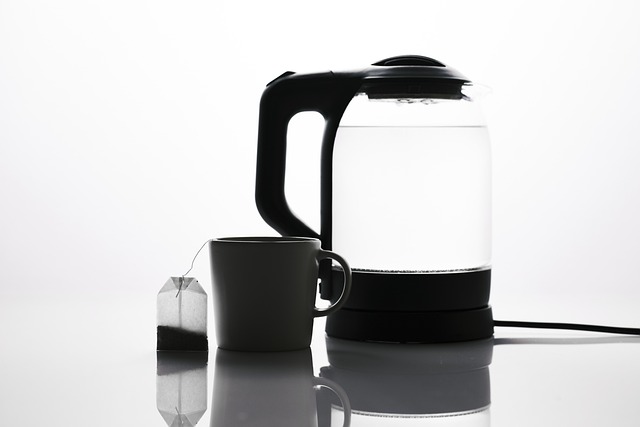
Preparing to Use Your Stainless Steel Tea Kettle
Step 1: Choose the Right Tea
Before using your stainless steel tea kettle, it’s crucial to select the right type of tea. Whether you prefer black, green, herbal, or any other variety, make sure you have your preferred tea ready.
Step 2: Fill the Kettle with Water
Fill your stainless steel tea kettle with fresh, cold water. Avoid filling it to the brim to prevent spillage while boiling.
Step 3: Heat the Water
Place the tea kettle on a stove or any heat source. Ensure that the handle is facing away from the heat to avoid accidental burns. Wait for the water to reach the desired temperature.
Brewing Tea with Your Stainless Steel Tea Kettle
Step 1: Preheat Your Tea Pot or Cup
To enhance the flavor of your tea, it’s recommended to preheat your tea pot or cup. Simply pour hot water into the vessel and discard it before adding the tea leaves or tea bags.
Step 2: Add Tea Leaves or Tea Bags
Place your desired amount of tea leaves or tea bags into the preheated vessel. Adjust the quantity based on your preferred taste strength.
Step 3: Pour Hot Water Into the Tea Pot or Cup
Using your stainless steel tea kettle, carefully pour the hot water over the tea leaves or tea bags in the vessel. Allow the tea to steep for the recommended time, usually mentioned on the packaging or tea instructions.
Step 4: Strain or Remove Tea Bags
If using loose tea leaves, strain the tea into a cup using a strainer or tea infuser. For tea bags, simply remove them. Your tea is now ready to be enjoyed!
For more information about tea, visit the Tea Wikipedia page.

Summary: Brewing Perfection
-
Introduction
- Benefits of using a stainless steel tea kettle
- Overview of the importance of proper brewing techniques
-
Choosing the Right Tea
- Understanding different types of tea and their brewing requirements
- Tips for selecting the best tea for your preferences
-
Preparing the Water
- Optimal temperature and quality of water for brewing
- Methods for filtering and heating water effectively
-
Using Your Stainless Steel Tea Kettle
- Proper handling and care instructions for the kettle
- Steps to ensure a smooth brewing process
-
Brewing Techniques
- Timing and steeping recommendations for different tea types
- Tips for achieving the desired strength and flavor
-
Serving and Enjoying
- Pouring and serving tea with style
- Suggestions for enhancing the tea-drinking experience