


Contents
Debunking the Myth: Facts About Stainless Steel Kettle Rust
Stainless steel kettles have become a popular kitchen essential for boiling water for tea, coffee, and other hot beverages. However, many people have concerns about rust forming on their stainless steel kettles, which could affect the taste and safety of their drinks.
Contrary to popular belief, stainless steel kettles do not rust easily. This is because stainless steel is an alloy that contains a minimum of 10.5 percent chromium, which creates a protective layer on the surface of the steel, preventing rust formation. As long as your kettle is made of high-quality stainless steel, chances of it rusting are very low.
However, if your kettle does show signs of rust or metallic taste, it may be due to other factors such as poor quality materials, improper cleaning or storage, or exposure to harsh chemicals. So, it is always important to follow the manufacturer’s instructions for cleaning and maintenance to ensure the longevity and safety of your stainless steel kettle.
Overall, the myth of stainless steel kettle rust is commonly believed but easily debunked. By understanding the facts and proper care, you can enjoy your stainless steel kettle for years to come.
What is the myth about stainless steel kettle rust?
There is a common misconception that stainless steel kettles do not rust. However, this is not entirely true. While stainless steel is less prone to rusting than other materials, it is not completely immune to rust.
Why does stainless steel rust?
Stainless steel can rust due to a variety of reasons, including exposure to moisture, air, and other chemicals. Even a small amount of moisture can lead to rusting if the stainless steel is not properly maintained.
How can you prevent stainless steel kettle rust?
To prevent rusting, it is important to properly care for your stainless steel kettle. Here are some tips:
- Clean your kettle regularly to remove any build-up of minerals, deposits or dirt.
- Avoid using harsh or abrasive chemicals when cleaning.
- Dry your kettle completely after each use to prevent moisture from building up inside.
- Store your kettle in a dry place.
Can stainless steel kettle rust be removed?
If your stainless steel kettle has developed rust, don’t worry, it can still be salvaged. Here are some ways to remove rust:
- Use a stainless steel cleaner and follow the manufacturer’s instructions.
- Create a paste of baking soda and water and apply it to the rusted area. Leave for a few hours before rinsing off.
- Soak the kettle in a mixture of equal parts water and white vinegar for a few hours before rinsing off.
Conclusion:
Despite the myth that stainless steel kettles cannot rust, they are still susceptible to rust if not properly cared for. By following the tips mentioned above, you can keep your kettle rust-free and in good condition. And if your kettle does develop rust, don’t worry, it can still be cleaned and salvaged!
References:
https://www.livestrong.com/article/1002048-stainless-steel-kettle-rusting-tarnished/

Debunking the Myth: Facts About Stainless Steel Kettle Rust
What is stainless steel?
Stainless steel is a type of alloy made from iron, chromium, and other metals. It is resistant to rust and corrosion, which makes it a popular choice for kitchen appliances.
Can stainless steel kettles rust?
Contrary to popular belief, stainless steel kettles can rust. However, it is important to note that the rust is not caused by the stainless steel itself. Instead, it is caused by other factors such as water quality, mineral buildup, and exposure to air.
How can I prevent rust in my stainless steel kettle?
To prevent rust in your stainless steel kettle, it is important to clean it regularly and thoroughly. Avoid using harsh chemicals and abrasive materials that can scratch the surface of the kettle. Additionally, make sure to dry the kettle completely after each use to prevent water buildup and exposure to air.
Is rust in my stainless steel kettle harmful?
Rust in a stainless steel kettle is not harmful to human health, but it can affect the taste and quality of your tea or coffee. In addition, rust can weaken the structure of the kettle over time, which can lead to leaks and other issues.
Can rust in a stainless steel kettle be removed?
Yes, rust in a stainless steel kettle can be removed through various methods such as using a vinegar and water solution, baking soda and water mixture, or a commercial stainless steel cleaner. It is always best to follow the manufacturer’s instructions or consult a professional for more effective cleaning methods.
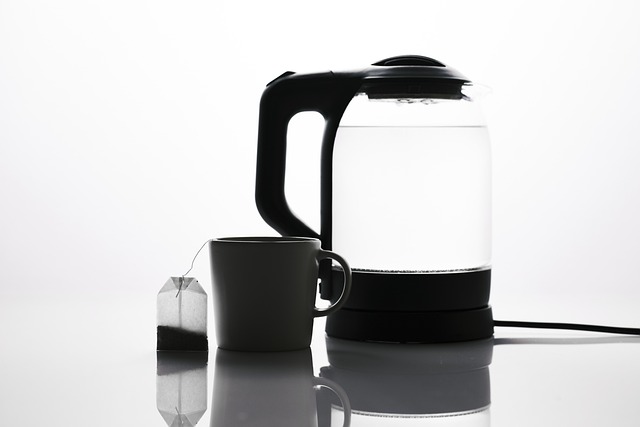
About Stainless Steel Kettles
Stainless steel kettles are a common household item used for boiling water or brewing tea. However, many people are unsure if stainless steel kettles can rust. In this article, we will explore this topic in detail.
What is Stainless Steel?
Stainless steel is an alloy of iron that contains chromium, which helps to prevent rust and corrosion. When exposed to air and water, stainless steel forms a thin layer of chromium oxide on its surface, which acts as a protective layer against rust.
Can Stainless Steel Kettles Rust?
In general, stainless steel kettles are resistant to rust and corrosion. However, if the outer layer of the kettle is scratched or damaged, it can expose the metal to air and water, which can lead to rust. It is important to care for your stainless steel kettle properly to prevent any damage to the surface.
To prevent scratching your stainless steel kettle, avoid using abrasive cleaning products or rough scrubbers. Instead, use a soft cloth with mild soap and warm water to clean the surface of your kettle. Do not use steel wool or wire brushes, as they can scratch the surface of the kettle and damage the protective layer of chromium oxide.
Conclusion
Stainless steel kettles are a durable and long-lasting kitchen appliance. While they are generally resistant to rust and corrosion, it is important to take care of your kettle properly to prevent any damage to the surface. By following these simple tips, you can keep your stainless steel kettle in excellent condition for years to come.
For more information about stainless steel, you can visit the Wikipedia page on stainless steel.

Debunking the Myth: Facts About Stainless Steel Kettle Rust
Why do stainless steel kettles rust?
- Stainless steel kettles may rust if the steel contains impurities or if it’s exposed to high temperatures or acidity levels.
Is rust harmful?
- Rust is not harmful if ingested in small amounts, but it can affect the taste and appearance of the water.
Can rust be prevented?
- Rust can be prevented by regularly cleaning the kettle, avoiding high-temperature settings, and using water with a pH of 7 or higher.
How can rust be removed?
- Rust can be removed by scrubbing the affected area with baking soda, vinegar, or lemon juice.