Contents
Creating a Sustainable Space: Eco-Friendly Kitchen Design
Welcome to our guide on creating an eco-friendly kitchen design that is not only stylish and functional but also sustainable for the environment. By incorporating green practices and materials into your kitchen, you can reduce your carbon footprint and contribute to a healthier planet.
Introduction
Creating an eco-friendly kitchen is not only good for the environment, but it can also help you save money in the long run. By incorporating sustainable design elements into your kitchen, you can reduce your carbon footprint and create a healthier living space. In this blog post, we will discuss how to design a sustainable kitchen that is both stylish and environmentally friendly.
Choosing Eco-Friendly Materials
Bamboo Flooring
One of the most eco-friendly flooring options for your kitchen is bamboo. Bamboo is a renewable resource that grows quickly and can be harvested without causing harm to the environment. It is also durable and easy to maintain, making it a great choice for a sustainable kitchen.
Recycled Glass Countertops
Another sustainable option for your kitchen is recycled glass countertops. These countertops are made from recycled glass, which helps to reduce waste and conserve natural resources. They are also durable and come in a variety of colors and styles to suit your kitchen design aesthetic.
Energy-Efficient Appliances
When choosing appliances for your eco-friendly kitchen, look for models that are Energy Star certified. These appliances are designed to be more energy-efficient, which can help you save money on your energy bills and reduce your overall carbon footprint. Additionally, consider investing in a water-saving dishwasher and refrigerator with a bottom freezer to further enhance the sustainability of your kitchen.
Waste Management
Composting
Composting is a great way to reduce waste in your kitchen and create nutrient-rich soil for your garden. Set up a compost bin in your kitchen and separate food scraps from other waste to create a sustainable waste management system.
Recycling
Incorporate a recycling station into your kitchen design to make it easy to separate recyclable materials from trash. Label bins for different types of materials, such as glass, plastic, and paper, to make recycling a breeze.
Water Conservation
Install low-flow faucets and showerheads in your kitchen to reduce water usage and conserve this precious resource. You can also consider investing in a water filtration system to reduce the need for bottled water, further reducing plastic waste.
Conclusion
By incorporating eco-friendly design elements into your kitchen, you can create a sustainable space that is both stylish and environmentally friendly. From choosing sustainable materials to investing in energy-efficient appliances, there are many ways to reduce your carbon footprint and create a healthier living environment. Start making small changes today to create a more sustainable kitchen for a greener future.

5 Kitchen Design Tips for a Functional and Stylish Space
Whether you’re remodeling your kitchen or designing a new one from scratch, it’s important to consider both functionality and style. Here are five tips to help you create a kitchen that is not only beautiful but also practical:
1. Consider the Layout
The layout of your kitchen is key to its functionality. Make sure to plan the placement of appliances, countertops, and storage areas in a way that allows for easy movement and efficient workflow.
2. Maximize Storage
Utilize every inch of space in your kitchen by incorporating smart storage solutions such as pull-out shelves, drawer organizers, and overhead cabinets. This will help keep your kitchen clutter-free and organized.
3. Choose Durable Materials
When selecting materials for your kitchen, opt for those that are both aesthetically pleasing and durable. Consider using materials such as quartz countertops, hardwood floors, and stainless steel appliances for a long-lasting and stylish look.
4. Layer Lighting
Proper lighting is essential in a kitchen. Incorporate a mix of overhead lighting, task lighting, and under cabinet lighting to create a well-lit space that is both functional and inviting.
5. Add Personal Touches
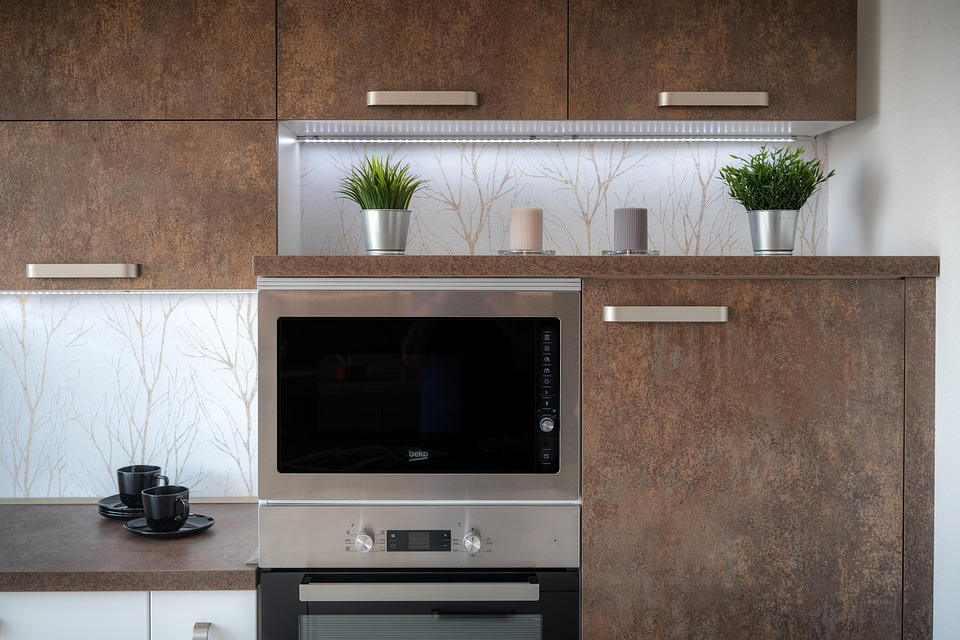
Make your kitchen truly your own by adding personal touches such as unique hardware, colorful accents, and plants. These small details can add character and charm to your space.
For more information on kitchen design, you can visit Wikipedia.

Frequently Asked Questions about Eco-Friendly Kitchen Design
What are some ways to create an eco-friendly kitchen?
There are several ways to create an eco-friendly kitchen, such as using energy-efficient appliances, installing low-flow faucets, recycling and composting, using sustainable materials for countertops and cabinets, and incorporating natural lighting.
How can I reduce water waste in my kitchen?
You can reduce water waste in your kitchen by fixing any leaks, installing low-flow faucets and showerheads, using a dishwasher only when it is full, and opting for a compost instead of a garbage disposal.
What are some eco-friendly materials I can use in my kitchen design?
You can use eco-friendly materials such as bamboo, reclaimed wood, recycled glass, cork, and concrete for countertops, flooring, and cabinets in your kitchen design.
How can I make my kitchen more energy-efficient?
You can make your kitchen more energy-efficient by using energy-saving appliances, LED lighting, installing a programmable thermostat, sealing any air leaks, and incorporating natural lighting with skylights or large windows.
What are some tips for reducing waste in my kitchen?
To reduce waste in your kitchen, you can recycle glass, aluminum, and paper products, compost food scraps, buy in bulk to reduce packaging waste, and use reusable containers instead of disposable ones.

Eco-Friendly Kitchen Design: How to Create a Sustainable Space
- Choose energy-efficient appliances
- Opt for eco-friendly materials like bamboo or recycled glass
- Install a water-saving faucet and low-flow showerhead
- Use natural lighting and incorporate plants for better air quality
- Reduce waste by composting and recycling
- Consider installing a smart thermostat to regulate energy usage