


Contents
Flour and Texture: How Flour Affects the Texture of Baked Goods
Flour is a key ingredient in baked goods, and it plays a significant role in determining the texture of the finished product. Understanding how different types of flour affect the texture of baked goods can help you achieve the desired result in your culinary creations.
When choosing flour for baking, consider its protein content. Flours with higher protein content result in chewy or elastic textures, while flours with lower protein content yield tender and delicate textures.
To achieve tender cakes, use cake flour, which has a lower protein content than all-purpose flour. For flaky pie crusts, use pastry flour, which has slightly more protein than cake flour but less than all-purpose flour. And for chewy cookies, use bread flour, which has a higher protein content than all-purpose flour.
When measuring flour, spoon the flour into the measuring cup and level off with a knife. Do not pack the flour into the cup, as this will result in too much flour and a denser, drier product.
By understanding how different types of flour affect texture and following these tips, you can achieve the perfect texture in your baked goods every time.
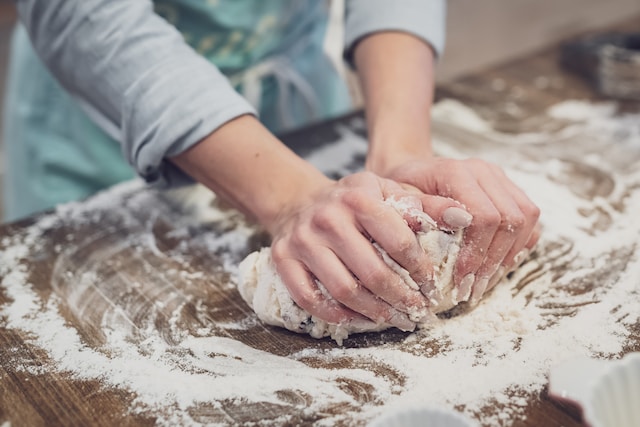
Flour and Texture: A Discussion of How Flour Affects the Texture of Baked Goods
Introduction
As bakers, we know the importance of choosing the right ingredients to achieve the desired texture in our baked goods. Flour is one of the most important ingredients when it comes to texture, and the type of flour you use can have a profound effect on the final outcome. In this post, we’ll discuss how flour affects the texture of your baked goods and share some tips for achieving the perfect tender cakes, flaky pie crusts, and chewy cookies.
Types of Flour and Texture
There are many different types of flour available, each with its own unique characteristics. Here are some of the most common types of flour and their effects on texture:
All-Purpose Flour
All-purpose flour is the most commonly used flour in baking. It has a moderate protein content, which is good for making a variety of baked goods. It’s versatile and can be used in cakes, cookies, breads, and more. All-purpose flour is a good choice for baked goods that should be tender but not too crumbly.
Bread Flour
Bread flour has a higher protein content than all-purpose flour, which makes it ideal for making bread. The higher protein content creates more gluten, which gives bread its chewy texture. If you use bread flour in a cake or cookie recipe, it will make the baked good dense and tough.
Cake Flour
Cake flour has a low protein content and is a good choice for making delicate cakes. It creates a fine crumb and a tender texture. When using cake flour, be sure to sift it before measuring to ensure accurate measurements.
Pie Crust Flour
Pie crust flour, also known as pastry flour, has a low protein content and is ideal for making flaky pie crusts. It creates a tender, crumbly texture that is perfect for pies and tarts.
Whole Wheat Flour
Whole wheat flour is made from whole wheat kernels, which gives it a higher protein content than all-purpose flour. It has a nutty flavor and is a good choice for making bread and muffins. When using whole wheat flour, be sure to also use all-purpose flour to help lighten the texture.
Tips for Achieving Tender Cakes
When it comes to cakes, we all want them to be tender and moist. Here are some tips for achieving that perfect texture:
-

Use room temperature butter. Softened butter blends more easily with the other ingredients and creates a tender cake. -

Cream the butter and sugar together until light and fluffy. This creates air pockets in the batter, which help to create a tender cake. -

Be careful not to overmix the batter once you add the flour. Overmixing can cause the gluten to develop too much, which can make the cake tough. -

Use whole milk instead of low-fat or skim milk. The extra fat in whole milk helps to create a tender cake.
Tips for Achieving Flaky Pie Crusts
Pie crusts should be flaky and tender. Here are some tips for achieving that perfect texture:
-
Use cold ingredients. Cold butter and cold water are key to creating a flaky crust. -

Add a tablespoon of vinegar to the dough. This helps to tenderize the gluten, creating a more delicate crust. -

Chill the dough before rolling it out. This allows the butter to solidify and creates layers in the dough, which helps to create a flaky crust.
Tips for Achieving Chewy Cookies
Cookies should be chewy, not hard and crunchy. Here are some tips for achieving that perfect texture:
-
Use room temperature butter. Softened butter creates a better creaming mixture, which helps to create a chewy cookie. -
Use a high ratio of brown sugar to white sugar. Brown sugar contains more moisture, which helps to create a chewy cookie. -
Use bread flour instead of all-purpose flour. Bread flour has a higher protein content, which creates more gluten, leading to a chewy cookie. -

Use an extra egg yolk in the recipe. The extra fat in the yolk helps to create a chewy cookie.
Conclusion
When it comes to achieving the perfect texture in your baked goods, flour is one of the most important ingredients to consider. By choosing the right type of flour and following some simple tips, you can create tender cakes, flaky pie crusts, and chewy cookies that will impress your family and friends.

FAQs on Flour and Texture:
How does flour affect the texture of baked goods?
Flour is one of the most important ingredients when it comes to baking. Its protein content determines the texture of your baked goods. Gluten, a protein found in flour, helps to create structure and hold baked goods together. The amount of gluten formed during baking determines whether your cake will be tender or chewy.
What are the tips for achieving tender cakes?
For a tender cake, you need to use a low protein flour like cake flour. Cake flour has a lower protein content compared to all-purpose flour. It has a fine texture and produces less gluten formation. Sifting cake flour before use also helps to create a lighter texture.
How to make flaky pie crusts?
Flaky pie crusts require a high protein flour like pastry flour. Pastry flour is finer than all-purpose flour, and it has a low protein content, resulting in a tender yet flaky crust. The addition of cold fats such as butter and shortening creates pockets of air when baked, producing a flaky crust.
If you want chewy cookies, use high protein flour like bread flour or all-purpose flour. The extra protein content forms more gluten, resulting in a chewy texture. Additionally, using brown sugar instead of white sugar and adding an egg yolk to the cookie dough recipe can also help to produce a chewier texture.

Flour and Texture: A Discussion on Achieving Tender Cakes, Flaky Pie Crusts, and Chewy Cookies
How Flour Affects the Texture of Baked Goods
Flour is a key ingredient in many baked goods, and it plays an important role in determining the texture of the final product. Different types of flour have different protein contents, which affect the gluten development in doughs and batters. Gluten is a protein that provides structure and elasticity to baked goods.
For example, all-purpose flour has a moderate protein content and is versatile for a variety of baked goods. Bread flour has a high protein content and is ideal for yeasted breads that require a strong gluten structure. Cake flour has a low protein content and is perfect for tender, delicate cakes.
Tips for Achieving Tender Cakes, Flaky Pie Crusts, and Chewy Cookies
1. Tender Cakes: To achieve a tender cake, use cake flour. Cake flour is milled from soft wheat, which has a lower protein content than all-purpose flour. This will help prevent too much gluten formation, resulting in a tender crumb. Additionally, be careful not to overmix the batter, as this can also create too much gluten.
2. Flaky Pie Crusts: To achieve a flaky pie crust, use a combination of all-purpose and pastry flour. Pastry flour has a slightly lower protein content than all-purpose flour, and the combination allows for gluten development while still maintaining tenderness. Be sure to use cold butter or shortening and handle the dough as little as possible to prevent gluten formation.
3. Chewy Cookies: To achieve chewy cookies, use bread flour. Bread flour has a high protein content, which causes the dough to hold more water and results in a chewier texture. Additionally, adding brown sugar instead of white sugar can also create a chewier texture.
Outbound Links
Learn more about the different types of flour on Wikipedia.
Check out Special Magic Kitchen for delicious cookie recipes!
Flour and Texture: A Discussion of How Flour Affects the Texture of Baked Goods
- Flour plays a key role in determining the texture of baked goods
- Choosing the right type of flour for your recipe is important
- For tender cakes, use cake flour or a combination of all-purpose flour and cornstarch
- For flaky pie crusts, use a combination of all-purpose flour and pastry flour or cake flour
- For chewy cookies, use bread flour or a combination of all-purpose flour and bread flour
- It’s important to measure flour correctly to ensure consistent results
- Too much flour can result in dry and tough baked goods
- Experiment with different types of flour to achieve the desired texture in your baked goods


