Contents
From Pixels to Palate: How 3D Printing Is Changing Cooking Forever
In recent years, 3D printing technology has revolutionized various industries, and the culinary world is no exception. Imagine transforming digital designs into edible masterpieces at the click of a button. From intricate chocolates to customizable pasta shapes, 3D printing allows chefs and home cooks alike to experiment with flavors, textures, and presentations in ways previously thought impossible. This innovative approach not only enhances creativity but also opens up new possibilities for personalized nutrition and sustainable cooking practices. As we delve deeper into the fascinating world of 3D food printing, we’ll explore its impact on gastronomy, including the challenges and opportunities it presents for the future of cooking.
The Evolution of 3D Printing in Culinary Arts
The integration of 3D printing technology in cooking has ushered in a new era where the boundary between digital design and culinary creativity is increasingly blurred. This pause for innovation allows chefs to experiment with forms, textures, and flavors in unprecedented ways.
Historical Context
3D printing has its roots in rapid prototyping, but its migration into the culinary space started gaining traction around the early 2010s. As chefs started exploring molecular gastronomy, the doors to 3D food printing began to open, allowing for intricate designs and novel culinary experiences.
How 3D Printing Works in Cooking
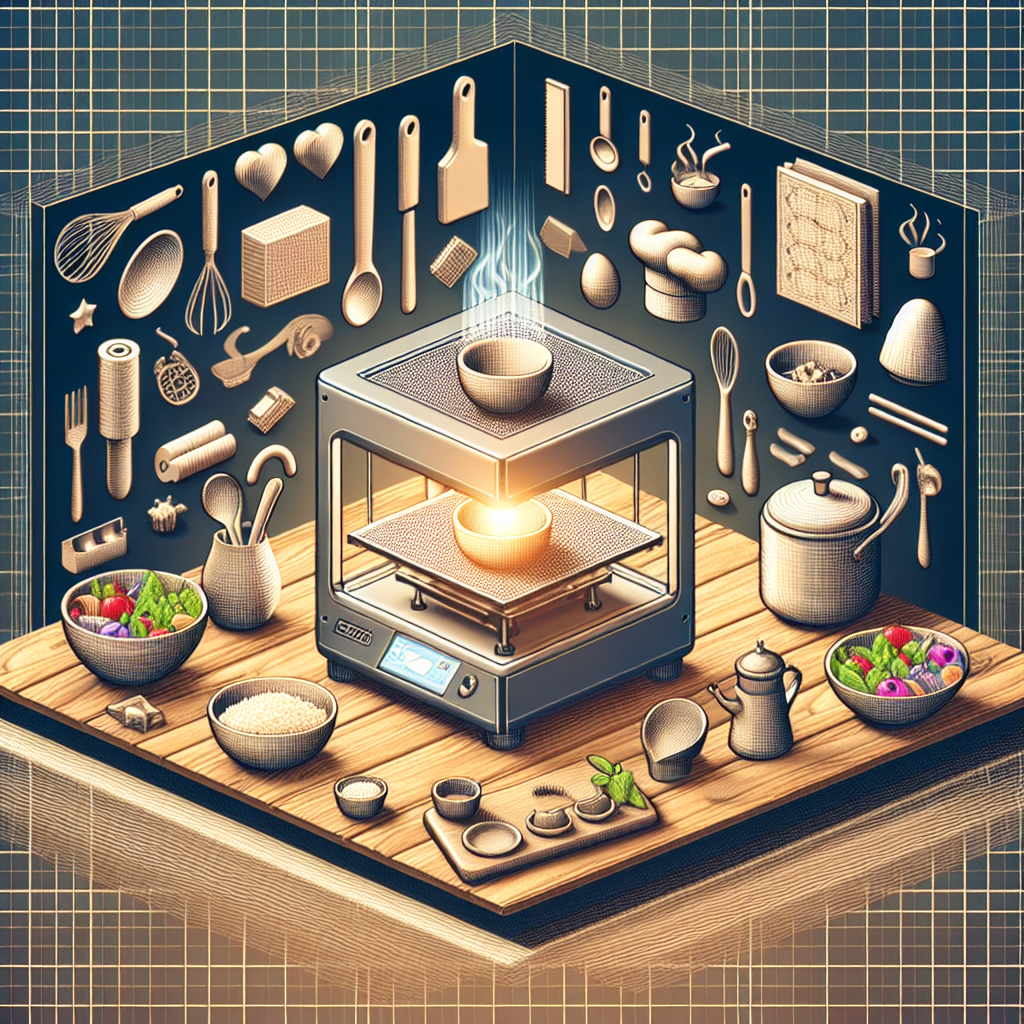
At its core, 3D food printing uses the same principles as traditional 3D printing: digital designs are translated into a physical form layer by layer. In this case, however, the ‘ink’ is made up of edible materials such as dough, chocolate, or pureed foods. The printer extrudes these materials, creating everything from delicate pastries to intricate savory dishes.
The Impact on Food Design and Presentation
One of the most exciting aspects of 3D printing in cooking is its potential to enhance food design and presentation. Chefs are now able to create visually stunning plates that were previously impossible to achieve through traditional cooking methods.
Innovative Shapes and Structures
3D printers allow chefs to create intricate designs that play with geometry and structure. For example, edible structures can be printed to resemble architectural wonders, turning meals into a feast for the eyes as well as the palate.
Customization of Flavors and Textures
With 3D printing, customization in food preparation can reach new heights. Chefs can tailor the flavors and textures of their dishes, creating personalized culinary experiences that cater to individual preferences. For instance, a dish can be printed to include varying levels of sweetness or different textures in one single bite.
Health and Sustainability Benefits
Alongside creativity, 3D printing also offers health and sustainability advantages that are increasingly relevant in today’s culinary conversations.
Reducing Food Waste
3D food printing allows for more efficient use of ingredients, thereby potentially reducing food waste. Any leftover byproducts from previous meals can be repurposed into new edible creations, promoting a more sustainable approach to cooking.
Healthier Options
With the ability to precisely control ingredient composition, 3D printing can contribute to healthier meal options. For example, nutrient-dense ingredients can be incorporated into visually appealing and appetizing formats, enabling consumers to enjoy better choices without sacrificing taste or presentation.
The Future of Culinary Innovation
The relationship between 3D printing and cooking will likely continue to evolve, influencing not just professional chefs but also home cooks.
Accessibility for Home Cooks
As the technology advances and becomes more affordable, 3D food printers could find their way into home kitchens. This democratization of culinary technology would allow home cooks to experiment with intricate designs and flavors, fostering a culture of creativity and experimentation.
Training and Education
Moreover, culinary schools are beginning to incorporate 3D printing into their curricula, equipping future chefs with the skills necessary to adapt to emerging technologies. This will shape a new generation of culinary professionals who are well-versed in both traditional and cutting-edge cooking techniques.
Resources for Further Exploration
If you’re interested in exploring the world of 3D printing in the culinary arts further, visit 3D Food Printing Conference to discover insights, innovations, and events surrounding this transformative technology.

How 3D Printing is Revolutionizing Cooking Techniques
3D printing technology is not only changing manufacturing but is also making waves in the culinary world. By using specialized printers, chefs can create intricate designs and layers in food that were previously difficult to achieve. This innovation enables greater creativity and precision in food presentation.
Customized Nutrition Through 3D Printing
One of the most significant advantages of 3D printing in food preparation is the ability to customize meals for individual dietary needs. For example, printers can produce meals tailored to specific nutrient requirements, thereby promoting healthier eating habits. This personalization is particularly beneficial for people with dietary restrictions.
Food Waste Reduction
3D printing can also contribute to reducing food waste. By using only the necessary ingredients and creating precise portions, chefs can minimize leftovers and ensure that every bit of the food is utilized. This efficiency not only benefits the environment but also enhances the sustainability of food preparation practices.
The Future of Food Preparation
As technology advances, the role of 3D printing in culinary arts is expected to grow. From enabling chefs to experiment with new textures and flavors to improving food accessibility, the future looks promising for this transformative approach to food preparation. For more information about 3D printing, you can visit the Wikipedia page on 3D printing.

FAQs: From Pixels to Palate
What is 3D food printing?
3D food printing is a technology that creates three-dimensional food items by extruding edible ingredients layer by layer. This innovative approach allows for unique textures and shapes that traditional cooking methods cannot achieve.
How does 3D printing impact cooking?
3D printing transforms cooking by enabling precision in food design, reducing food waste, and customizing meals to individual dietary needs. It opens up new culinary possibilities, allowing chefs to experiment with forms and flavors that were previously difficult to achieve.
What types of foods can be printed?
A wide variety of foods can be printed, including chocolates, pastas, and even proteins. The ingredients used depend on the type of printer and can range from pureed fruits and vegetables to doughs and sauces.
As with any food technology, there are considerations regarding the safety and nutritional quality of 3D printed foods. It is crucial to use safe, high-quality ingredients and follow food safety protocols when preparing printed meals.
How accessible is 3D food printing technology?
While 3D food printing technology has been primarily used in professional kitchens and research settings, consumer models are gradually becoming available. The increasing affordability and user-friendliness of these devices may lead to broader accessibility in home kitchens in the future.
Can 3D printing enhance culinary creativity?
Absolutely! 3D food printing allows chefs and home cooks to explore new designs, flavors, and presentations that can redefine the dining experience, pushing the boundaries of what can be created in a kitchen.
This HTML snippet creates a well-structured FAQs section about “From Pixels to Palate: How 3D Printing Is Changing Cooking Forever,” featuring relevant headings and concise answers.

Introduction
- Explores the intersection of technology and culinary arts.
- Focuses on the impact of 3D printing in cooking.
Key Innovations
- 3D food printers can create intricate designs and textures.
- Customization of meals based on dietary needs and preferences.
Benefits
- Reduces food waste through precise ingredient use.
- Facilitates the creation of personalized nutrition plans.
Challenges
- High initial cost of 3D food printers and ingredients.
- Regulatory hurdles regarding food safety and standards.
The Future of Cooking
- Potential for widespread adoption in homes and restaurants.
- Continued innovation in food printing technology.