Contents
From Traditional to Modern: The Evolution of the Kettle Stove
The kettle stove is an important household appliance, providing a convenient way to boil water or heat up a small pot of food. Over the years, the design of the kettle stove has evolved from the traditional metal and wood stove to modern electric and induction models that are more energy-efficient and offer greater convenience.
In this article, we will explore the history of the kettle stove and how it has evolved over time, from the first cast-iron models to the sleek and stylish stainless steel versions of today. We will examine the factors that have influenced the design and function of the kettle stove, from changes in technology to the demands of consumers, and look at how these appliances have become an essential part of daily life.
Whether you are a lover of traditional design or a fan of modern technology, the evolution of the kettle stove is an interesting and fascinating story that is worth exploring. So join us as we journey through time and discover the many ways in which this humble appliance has changed and grown over the years.
The Origin of Kettle Stoves
Before falling in love with our modern range of kitchen appliances, people have relied on a traditional way of cooking, and that is through the use of a kettle stove. Kettle stoves were invented back in the 18th century and were used by most households, especially in Europe and North America. During those times, kettle stoves were made of cast iron and had a single burner, which was fueled by wood or coal. These stoves were used not only for cooking but also for heating the home, thus making it an essential appliance.
The Evolution of Kettle Stoves
Gas-Powered Kettle Stoves
As soon as gas became widely available in the 19th century, it was introduced as an alternate fuel and a replacement for coal. This revolutionized the way we cook, as stove manufacturers began to develop gas-powered stoves as a replacement for coal-fueled stoves. The first gas-powered kettle stove was introduced in the early 20th century. It had one or two burners and was equipped with a gas regulator that can be adjusted to control the flame.
Electric Kettle Stoves
The invention of electricity caused a significant shift in the way we cook and heat our homes. Electric stoves were first introduced in the late 19th century. It was not until the early 20th century when electric kettle stoves were manufactured. They had one or two burners and could be plugged into an electrical outlet. Electric kettle stoves come in various sizes and shapes that can be used for either cooking or heating.
Induction Kettle Stoves
Induction cooking is a relatively new technology that uses magnetic induction to generate heat directly in the cooking vessel. Induction kettle stoves are energy-efficient and fast-heating. These stoves work by generating an electromagnetic field that heats the pot without heating the surrounding air. Induction cooking is safe to use because the stove’s surface is not hot, making it difficult to burn yourself accidentally. Induction kettle stoves also have precise temperature control and are generally easy to use.
The Future of Kettle Stoves
As technology continues to evolve, kettle stove manufacturers will continue to enhance their products with state-of-the-art features aimed at improving efficiency, safety, and user experience. One of the upcoming trends is the internet of things or IoT. IoT enables your kettle stove to connect to other devices and your smartphone, making it easier to control your cooking temperature and timings. In addition, artificial intelligence (AI) technology can be incorporated into kettle stoves to learn how you cook, make adjustments, and recommend recipes to you. Other advancements will include improved energy efficiency, increased durability, and eco-friendliness.
Conclusion
Throughout time, kettle stoves have seen many changes in their form and function. We have gone from coal to gas, then electric, and now induction-powered kettle stoves. As we keep on changing and improving the stove’s technology, our ways of cooking will continue to evolve along with it. The future of kettle stoves and kitchen appliances looks bright with the integration of IoT and AI technologies.
References:

Frequently Asked Questions about From Traditional to Modern: The Evolution of the Kettle Stove
What is a kettle stove?
A kettle stove is a traditional cooking appliance shaped like a large teapot with a chimney-like spout, used for heating and cooking in rural households. It is usually made of cast iron or clay, and fueled with wood, charcoal, or other biomass fuels.
How has the kettle stove evolved over time?
The kettle stove has evolved from a simple, primitive design to a more modern and efficient one. The traditional kettle stove was usually made of clay or cast iron and had a single pot or pan on top for cooking. Modern kettle stoves, on the other hand, have multiple burners or cooking plates, and some even have an oven and a grill. They are made of materials like stainless steel, and are fueled by gas or electricity, which makes them more convenient to use and maintain.
Why is it important to upgrade from a traditional kettle stove to a modern one?
Upgrading from a traditional kettle stove to a modern one can bring several benefits. Modern kettle stoves are more efficient, safer, and easier to maintain. They have features like automatic shut-off, temperature control, and safety valves that reduce the risk of fire and other accidents. Modern kettle stoves also consume less fuel and emit fewer pollutants, which is good for the environment.
What are some factors to consider when choosing a modern kettle stove?
When choosing a modern kettle stove, some factors to consider include the size, type of fuel, power output, cooking features, and safety features. You should also consider the brand reputation, warranty, and after-sales support. You can compare different models and brands online or in-store to find the one that suits your needs and budget.
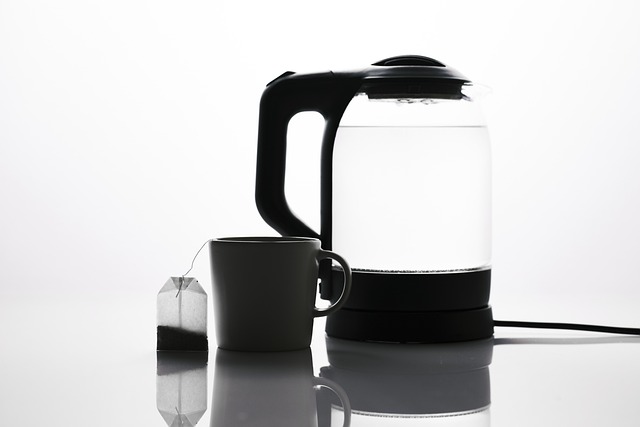
The Advantages of Owning a Kettle Stove
If you’re looking for a reliable and efficient way to heat water or make tea, a kettle stove is a smart choice. Kettle stoves are designed to be simple, effective, and long-lasting, making them a popular choice among homeowners and tea enthusiasts alike. Here are a few of the benefits you can expect from using a kettle stove in your home:
1. Convenience
One of the main advantages of owning a kettle stove is the convenience it offers. Because these stoves are compact and easy to use, they’re perfect for those who want a simple and hassle-free way to heat water or make tea. With a kettle stove, you won’t have to worry about filling up a large pot and monitoring it on the stove. Instead, you can simply fill up your kettle, set it on the stove, and let it do the rest.
2. Energy Efficiency
Kettle stoves are also designed to be highly energy efficient. Unlike traditional stovetops, which can take a long time to heat up, kettle stoves are specifically designed to heat water quickly and efficiently. This means you’ll be able to get your water up to temperature faster, which can save you both time and money on your energy bill.
3. Durability
Another advantage of using a kettle stove is their durability. Because these stoves are built to last, you won’t have to worry about replacing them anytime soon. They’re made from high-quality materials that are designed to withstand high temperatures and constant use, meaning you can rely on your kettle stove for years to come.
If you’re in the market for a new kettle stove, be sure to check out the options available on the Electric Kettle page on Wikipedia. This page offers a wealth of information on different types of kettle stoves, as well as tips for choosing the right one for your needs.

From Traditional to Modern: The Evolution of the Kettle Stove
-
Introduction
- Explanation of the kettle stove
-
The Traditional Kettle Stove
- Materials used (i.e. cast iron)
- Features (i.e. wood-fired, boiling water only)
- Advantages and disadvantages
-
The Revolution of the Kettle Stove
- Introduction of gas-fired stoves
- Improved design and materials (i.e. steel, enamel)
- Features (i.e. simmering, cooking)
- Advantages and disadvantages
-
The Modern Kettle Stove
- Electric kettle stoves
- Smart kettle stoves with advanced features
- Advantages and disadvantages
-
Conclusion
- Summary of the evolution of the kettle stove
- Future possibilities and advancements in technology